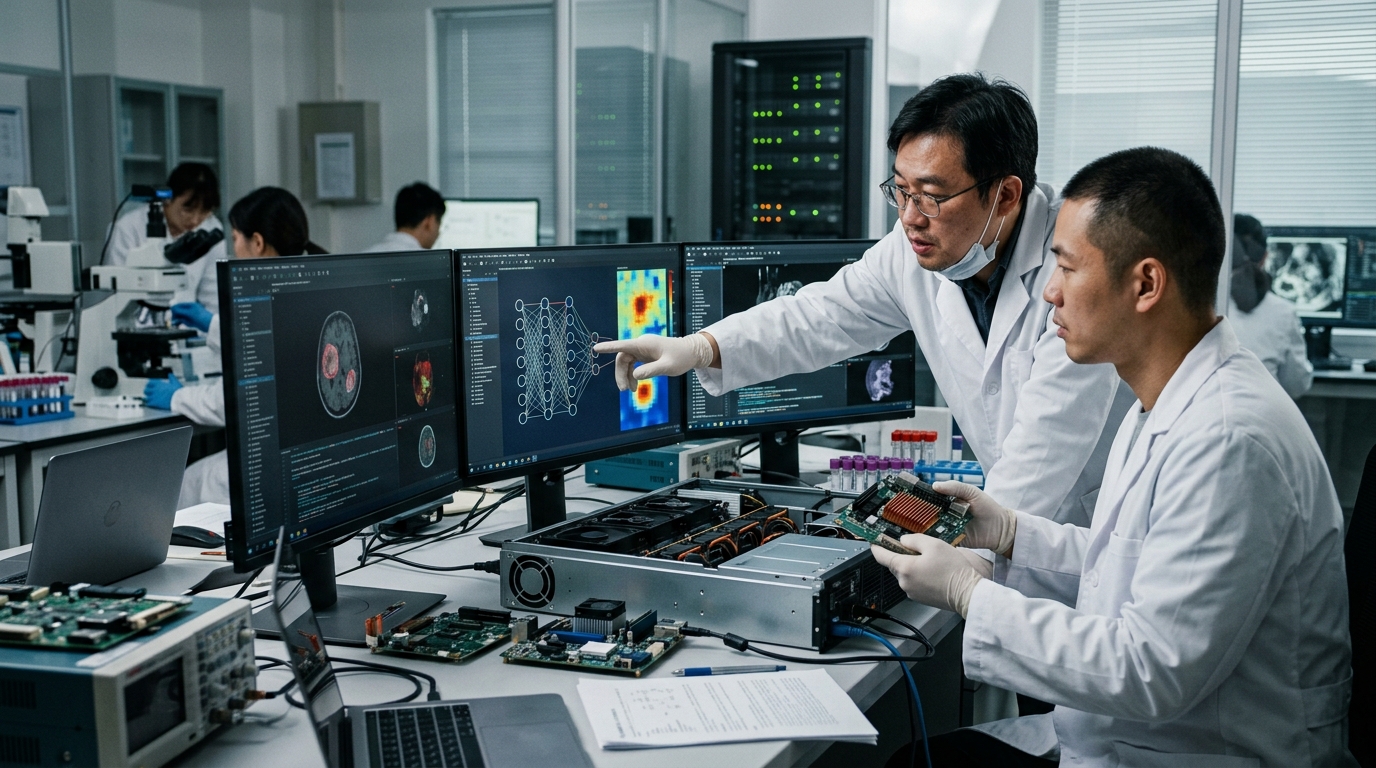
At the heart of the technological revolution unfolding in the East, Alibaba, through its research arm DAMO Academy, has announced the release of DAMO COCA. This is the third specialized Artificial Intelligence model focusing on oncology, confirming the strategic shift of Chinese tech giants toward Life Sciences. COCA (Contrastive Coding for Cancer Analysis) is not merely an upgrade of previous tools but a radical reimagining of how machine learning can identify malignancies at stages that human vision fails to perceive.
The Technological Edge of DAMO COCA
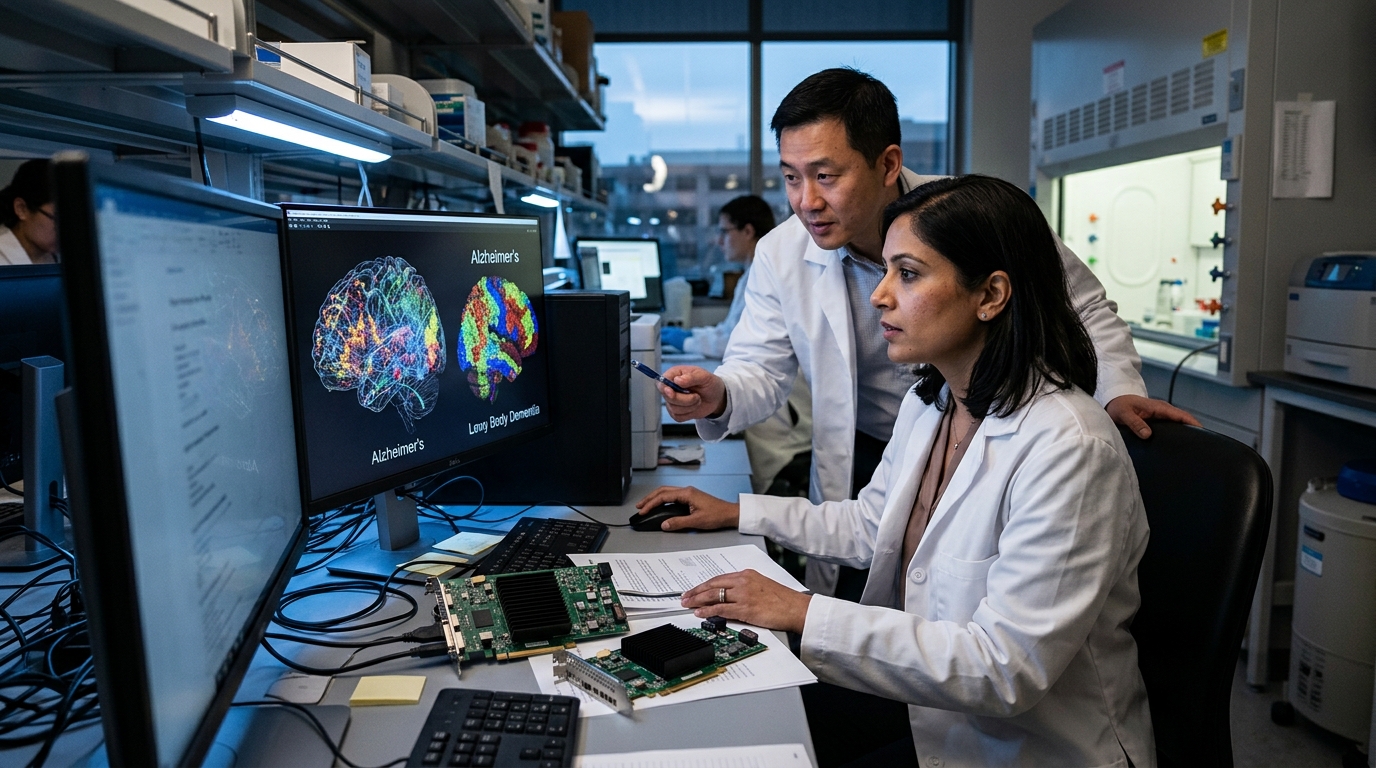
The new model is based on a self-supervised learning architecture, which allows the system to train on vast volumes of medical data without the need for manual labeling by doctors at every stage. This is critical, as the shortage of specialized radiologists is a global issue. COCA has the ability to analyze Computed Tomography (CT) and Magnetic Resonance Imaging (MRI) scans at a speed that exceeds traditional methods by 80%, focusing on eight different types of cancer, including pancreatic, liver, and esophageal cancer.
The innovation of COCA lies in its ability to discern "subtle anomalies" in tissue texture. While previous models, such as PANDA, focused primarily on the pancreas, COCA adopts a multi-organ approach. This means that with a single scan, the AI can simultaneously check multiple vital organs, reducing costs and waiting times for patients. Integration into the Alibaba Cloud ecosystem allows hospitals, even in remote areas, to access diagnostic tools on par with top university clinics.
Clinical Validation and Social Impact
Alibaba is not limiting itself to laboratories. DAMO COCA has already been tested in real-world conditions in over 20 hospitals across China, demonstrating an accuracy rate reaching 96% in identifying early lesions. The significance of this percentage is immense: in pancreatic cancer, for example, early diagnosis can increase the survival rate from 10% to 50%. The use of AI acts as a "third eye" for the radiologist, eliminating errors resulting from fatigue or subjective interpretation.
- 25% reduction in false negative results.
- Capability to process thousands of images per second via Cloud infrastructure.
- Democratization of healthcare by providing high-tech solutions to rural areas.
However, the challenge remains global acceptance. While China is moving rapidly, regulatory bodies in Europe and the US (such as the FDA and EMA) require strict transparency protocols for how AI makes its decisions. Alibaba appears to be investing in "Explainable AI," attempting to bridge the gap between the algorithmic "black box" and medical ethics.
The Geopolitics of Health and Competition
The release of COCA in 2026 is no coincidence. It is part of a broader effort by China to dominate the field of "AI for Science." With competition from Google (DeepMind) and Microsoft intensifying, Alibaba leverages the advantage of access to massive datasets provided by the Chinese population. Health is becoming a field of "soft power," where the country offering the most accurate and affordable AI solutions will lead the global medical market in the coming decades.
"AI will not replace doctors, but doctors who use AI will replace those who do not," a DAMO Academy executive noted.
In conclusion, DAMO COCA represents the maturation of medical artificial intelligence. We are moving from experimental stages to broad clinical application, where digital analysis becomes an integral part of oncological care. The challenge for Alibaba is to prove that its model can function equally effectively across different populations and healthcare systems worldwide, turning technological superiority into humanitarian benefit.