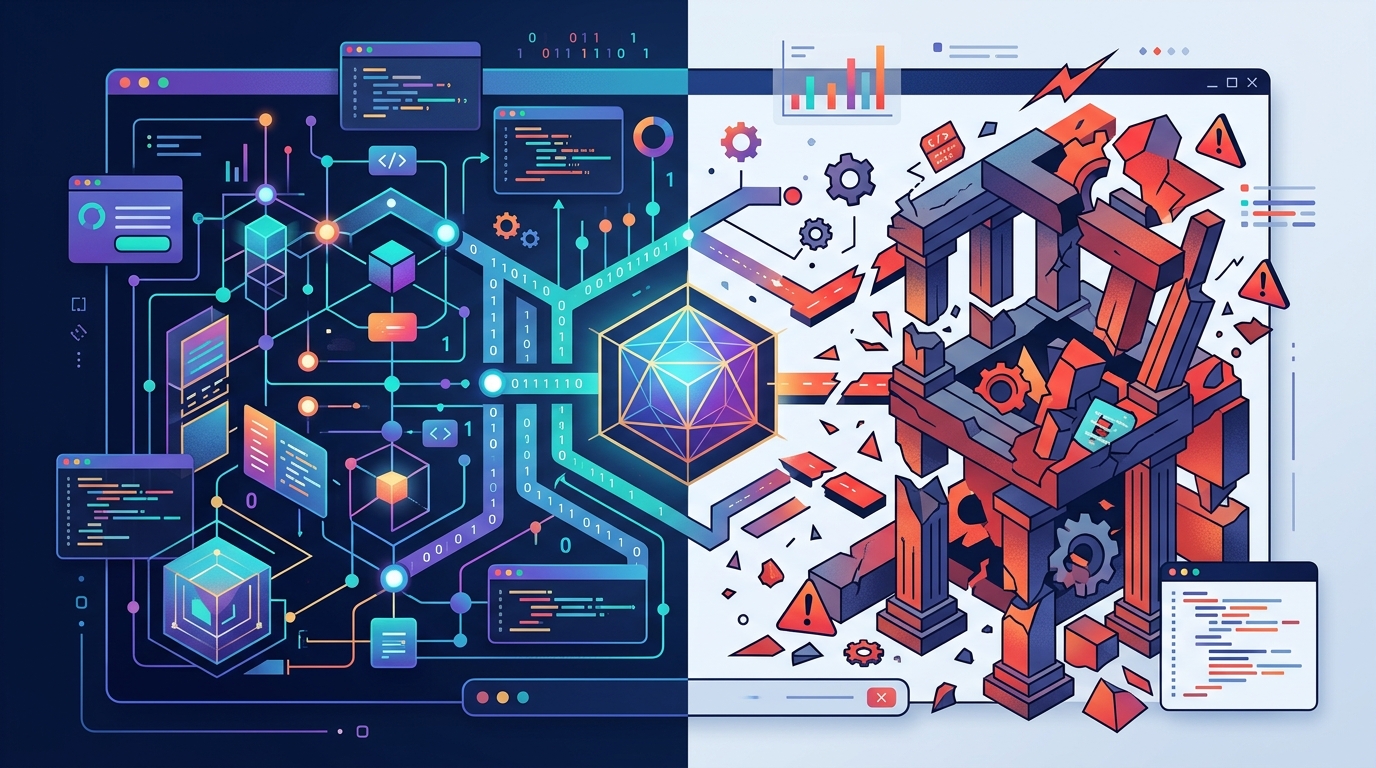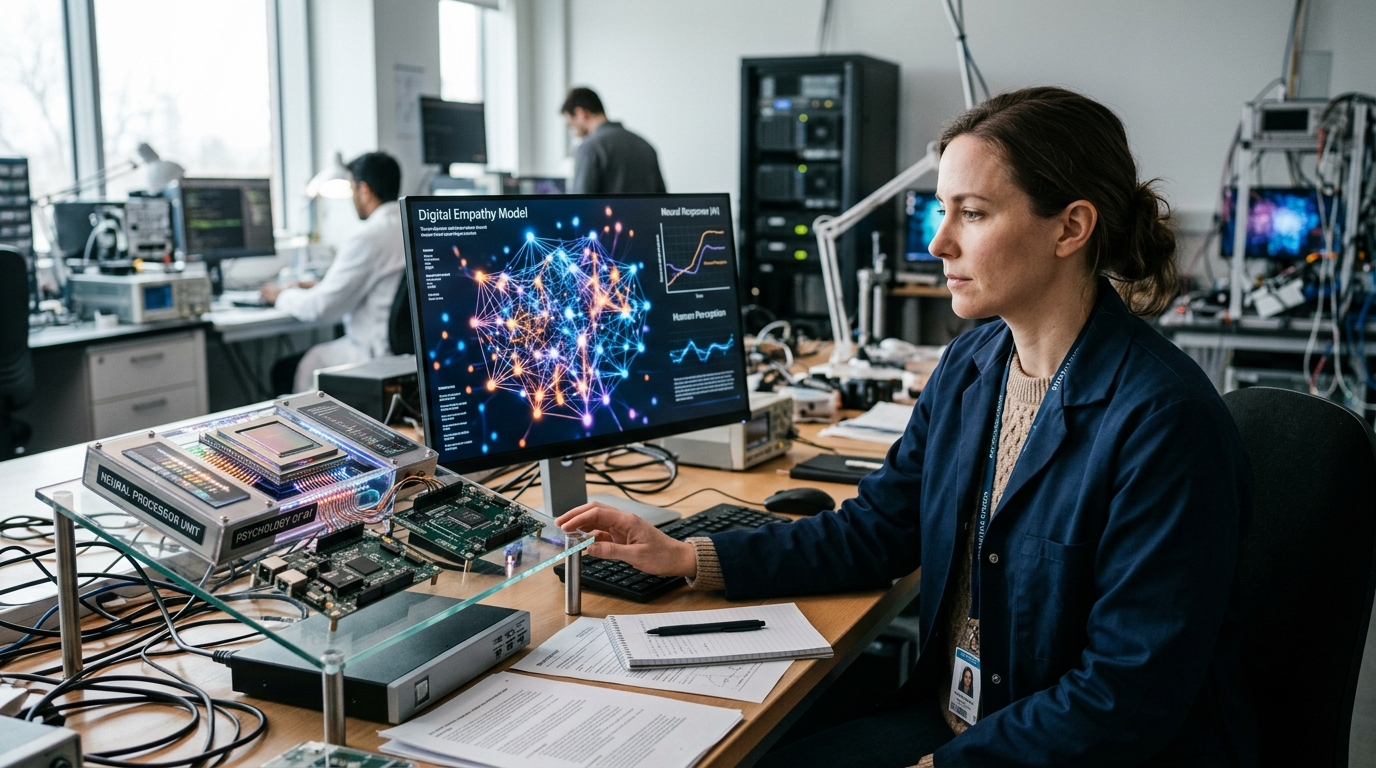
In the high-stakes world of technological development, pure rationality was once considered the ultimate goal. However, as Artificial Intelligence (AI) becomes deeply woven into the fabric of our daily lives, a compelling new study from the University of Chicago Booth School of Business is challenging this paradigm. The verdict is clear: AI works significantly better when it possesses a touch of humanity. This "anthropomorphism" is not merely about aesthetic flourishes or voice synthesis; it is about the profound psychological bridge built between human and machine.
The Psychology of Anthropomorphism
Our tendency to attribute human qualities to non-human entities—from our pets to our cars—is a trait deeply embedded in our evolutionary biology. The Chicago Booth research, led by prominent behavioral scientists, argues that when we perceive AI as having a "mind," "intentions," or a "personality," the interaction shifts from a cold data exchange to a collaborative partnership. This phenomenon drastically lowers the barriers to adoption and builds trust, which remains the single greatest hurdle to widespread AI integration.
Researchers found that users are far more likely to follow an algorithm's advice when it is presented in a "human voice" or uses first-person language ("I suggest..." rather than "The system has calculated..."). This occurs because the human brain is hardwired to process social information differently than technical specifications. Social connection acts as a lubricant for decision-making, making the AI more persuasive and, ultimately, more effective in its intended role.
Efficiency Through Connection
One of the most striking findings of the study is that anthropomorphic AI isn't just "nicer"—it's more functional. In experiments ranging from personal finance management to medical advice, participants interacting with a "humanized" interface showed higher compliance rates and better long-term outcomes. When an AI displays traits like empathy—even when users know it is simulated—the user feels the system "understands" the specific context of their problem.
- Trust Amplification: Familiarity reduces the fear of the unknown and the inherent suspicion toward "black box" algorithms.
- Enhanced Learning: In educational tech, students show higher engagement levels when the digital tutor possesses a distinct personality.
- Error Reduction: Users tend to provide more accurate and nuanced information to systems they perceive as "friendly," thereby improving input data quality.
The Ethics of Simulated Intimacy
However, the study does not shy away from the darker implications. The ability of AI to simulate human nature can lead to what researchers call "emotional manipulation." If a user forms an emotional bond with a system, they may become vulnerable to biases or be misled by corporations using anthropomorphism to drive specific commercial agendas. The fine line between "helpful familiarity" and "deceptive intimacy" is the next major frontier for global regulators.
"The goal should not be to create a perfect imitation of a human, but to use human elements to bridge the gap between technological power and human understanding," the study notes.
In conclusion, the future of AI appears to be less robotic and more social. As we move through 2026, companies that successfully imbue their technology with an authentic, albeit artificial, sense of humanity will be the ones to dominate the market. The persistent challenge remains transparency: ensuring we always remember that no matter how "human" the voice on the other side of the screen may seem, it remains code executing commands.