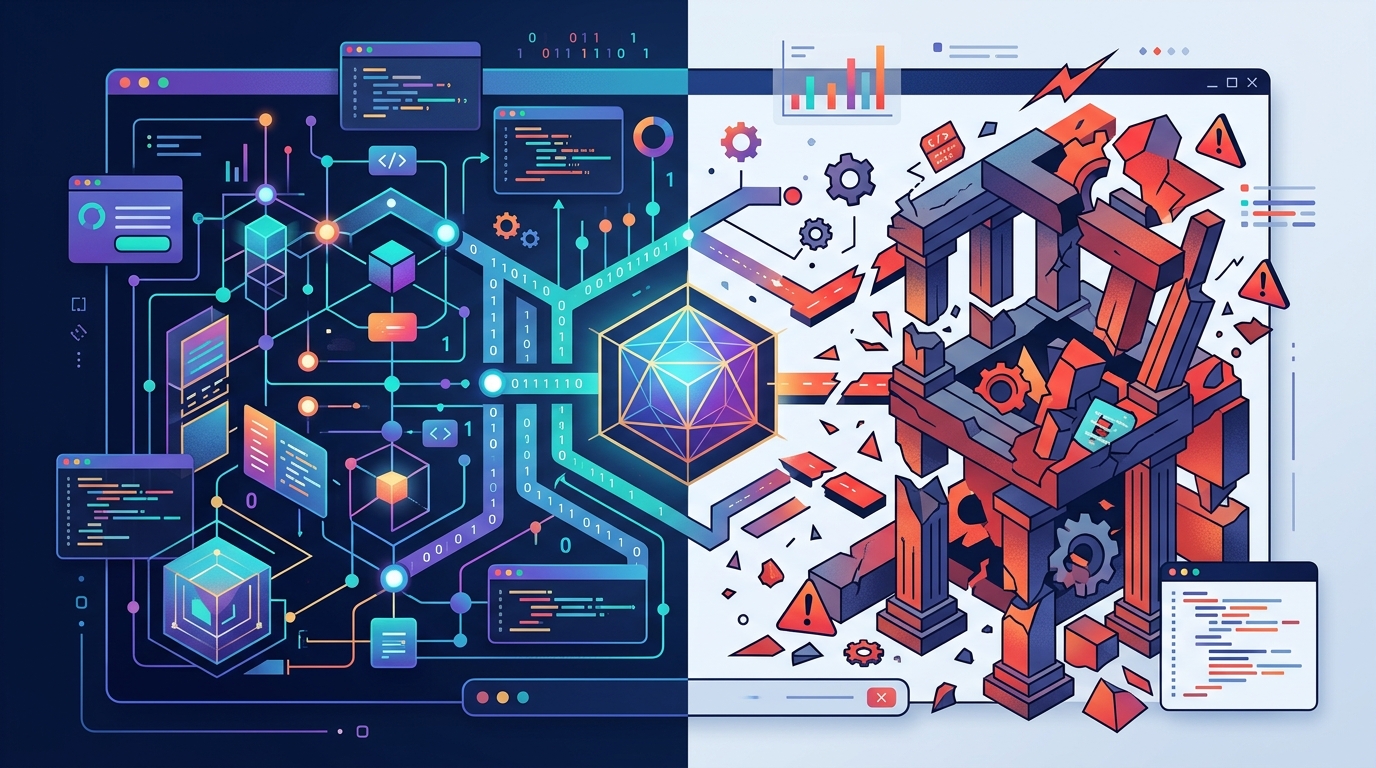
The history of industrial progress is littered with examples of technological leaps that left behind those unable to adapt. However, the current Artificial Intelligence (AI) revolution appears to be moving at an unprecedented velocity, creating a perilous gap between technological capability and workforce readiness. According to a recent report by Aon, a global leader in professional services, corporate AI strategies are significantly outpacing investments in the people required to execute them.
The Asymmetric Investment and its Risks
Aon’s report highlights a disturbing trend: while 70% of global executives consider AI critical for future profitability, less than 30% have implemented a comprehensive plan for reskilling their employees. This imbalance is not merely an organizational hurdle; it is a systemic threat to the global economy. Companies are rushing to purchase software licenses and upgrade servers, yet they frequently treat the workforce as a static cost rather than a dynamic asset.
Aon’s analysis indicates that the lack of human investment leads to what economists call the "productivity paradox." Despite the introduction of sophisticated tools, productivity remains stagnant because workers lack the necessary skills to leverage new capabilities or, worse, feel threatened by them. The fear of replacement, coupled with the pressure for immediate results, creates a high-stress environment that stifles creativity and collaboration.
The Psychological and Social Dimension
Beyond the financial metrics, the report focuses on mental health and job security. The rapid adoption of AI without adequate support leads to burnout. Employees are expected to "run" alongside algorithms that never tire, without having received the necessary guidance on how their roles will evolve. Aon warns that if businesses do not prioritize "human resilience," their technological investments will end up as stranded assets.
In this context, the concept of a "social license to operate" takes on new meaning. Companies perceived as responsible for the mass obsolescence of worker skills will face not only regulatory sanctions but also consumer backlash. The ethical dimension of AI is not just about algorithms; it is about the just transition of labor.
Strategies for Balanced Growth
How can organizations bridge this gap? Aon suggests a series of measures starting with the re-evaluation of roles. Instead of attempting to replace humans, companies should design jobs that augment human judgment with AI assistance. This requires a radical shift in corporate culture, where learning is continuous rather than a one-off event.
- Investment in Soft Skills: Critical thinking, empathy, and strategic decision-making are becoming more valuable than ever.
- Transparent Communication: Employees must understand how and why AI is being used within their organization.
- Flexible Work Models: AI can free up time, which should be reinvested into employee training and personal growth.
In conclusion, Aon’s report serves as a wake-up call for the global business community. Technology is the tool, but humanity remains the engine of innovation. If we continue to invest disproportionately in hardware and bits at the expense of human capital, we risk creating an economy that is technologically advanced but socially and operationally fragile.