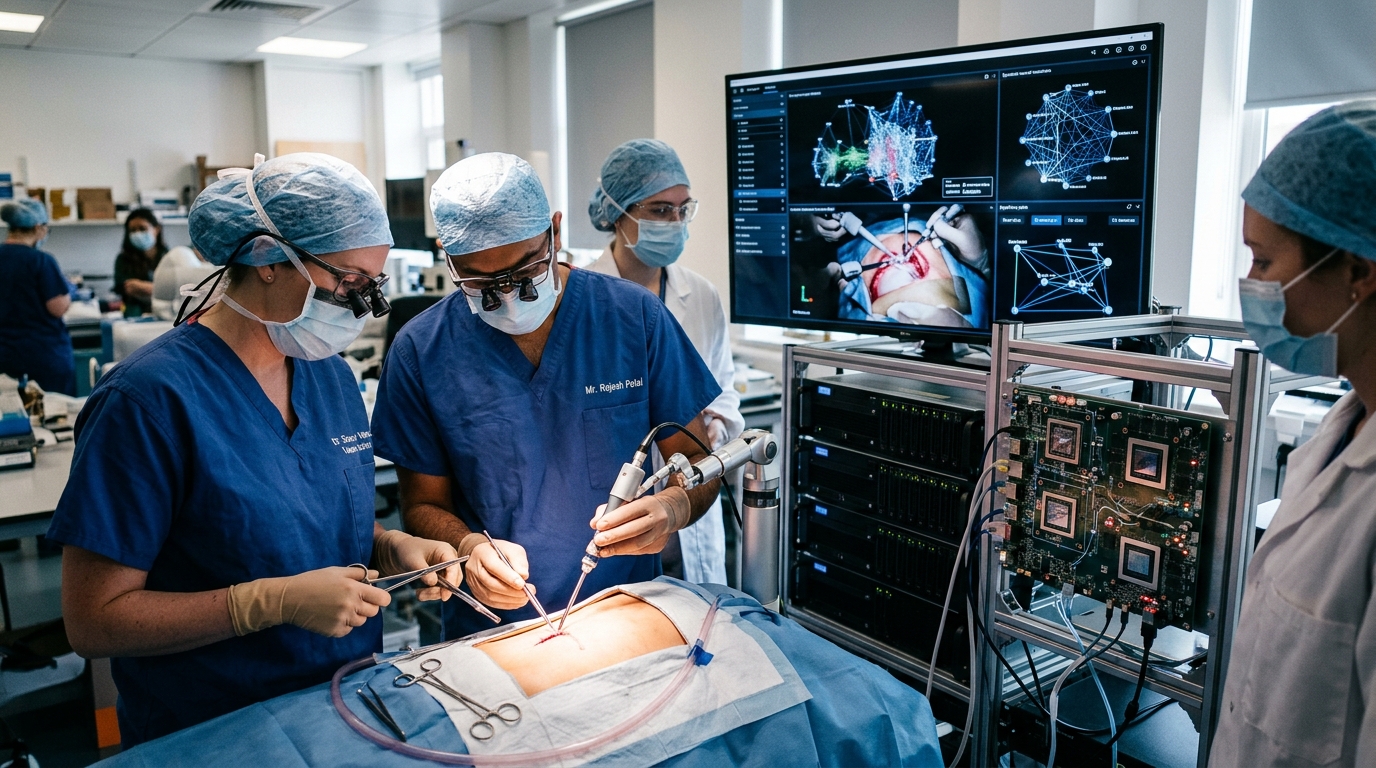
Spine surgery has long been considered one of the most daunting frontiers in medicine. In an environment where a fraction of a millimeter can distinguish a successful recovery from permanent disability, the advent of Artificial Intelligence (AI) is not merely a technological upgrade but a fundamental paradigm shift. Recent developments, highlighted by reports in the San Diego Union-Tribune regarding new AI spine surgery systems, emphasize a new reality: the doctrine of "trust, but verify" is becoming the cornerstone of the modern operating room.
The Digital Mapping of the Human Body
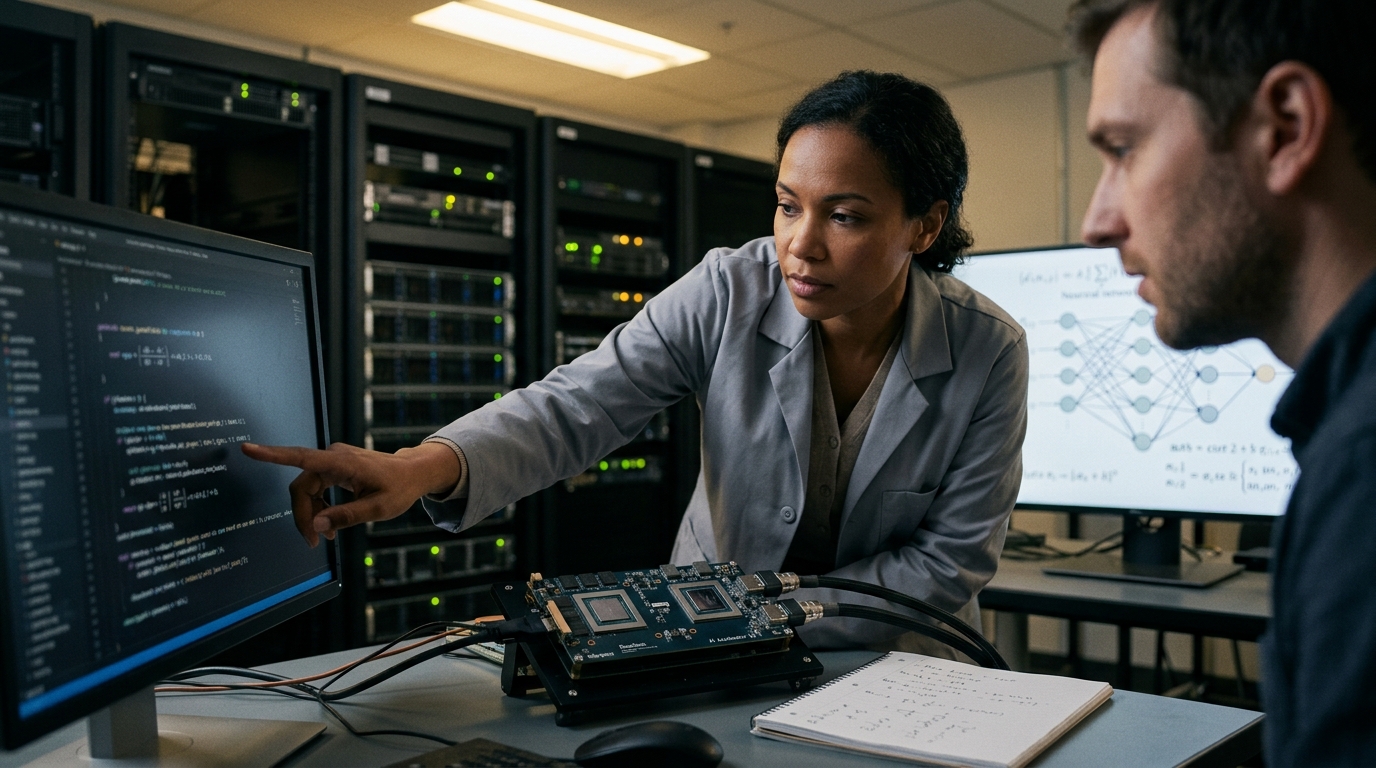
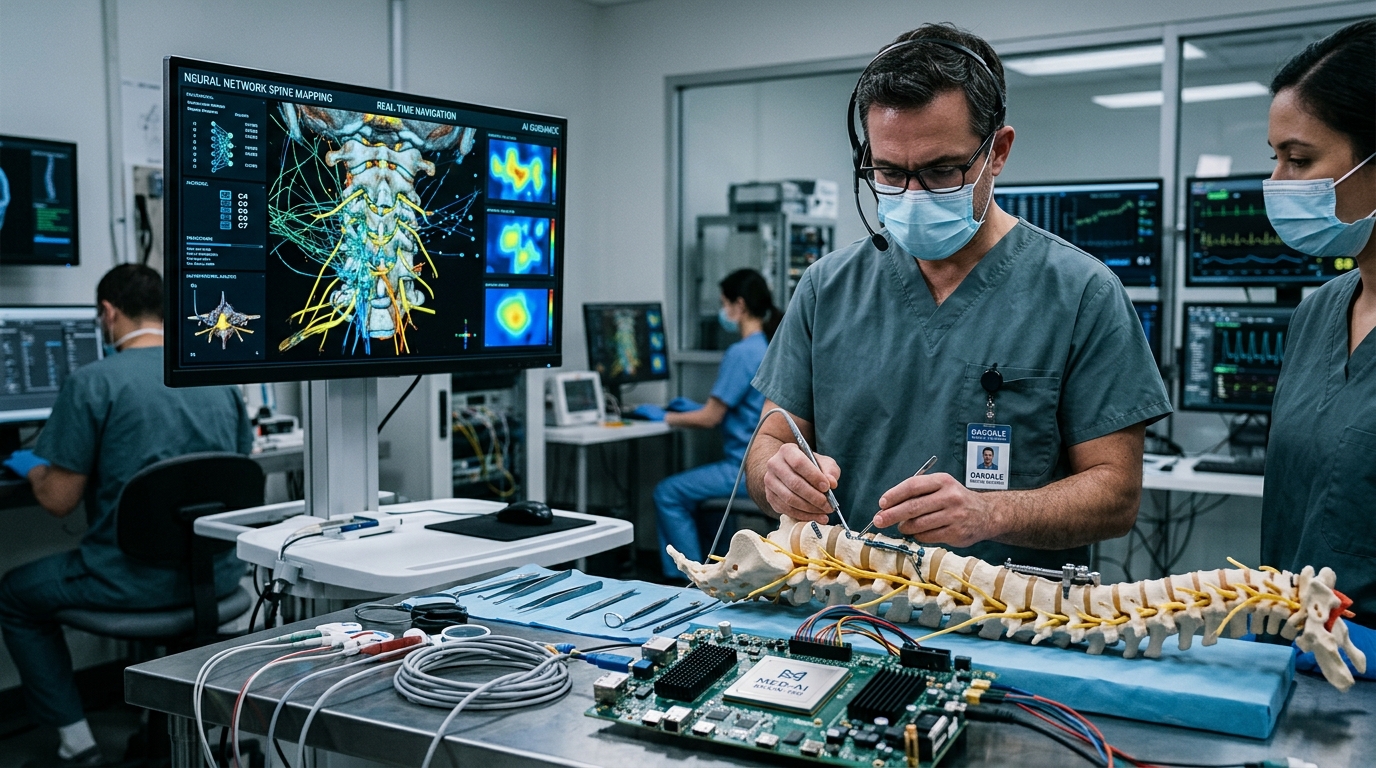
Traditionally, spine surgeons relied on extensive training, tactile experience, and three-dimensional spatial awareness to navigate the complex anatomy of a patient. The introduction of AI systems changes this dynamic by offering predictive models that analyze thousands of similar cases in seconds. These systems do not function as passive imaging tools; rather, they employ machine learning algorithms to suggest ideal screw placement, optimal angles for scoliosis correction, and even predict how the spine will settle post-surgery.
The process begins long before the patient enters the theater. AI processes CT and MRI scans to create a "digital twin" of the patient's spine. This allows the surgeon to perform the operation virtually, testing various scenarios and identifying potential risks that might not be visible through traditional methods. In practice, this translates to less time under anesthesia and a significant reduction in radiation exposure, as the AI can guide instruments with minimal live fluoroscopy.
The Autonomy Dilemma: Surgeon vs. Algorithm
Despite the impressive capabilities, the phrase "trust, but verify" underscores a deep-seated concern within the medical community: over-reliance on technology. Experts warn that AI is not infallible. A single data entry error or an anatomical anomaly not present in the algorithm's training set could lead to erroneous recommendations. Herein lies the critical role of the human factor. The surgeon must maintain the capacity to question the system and, if necessary, override its suggestions.
"Technology is an exceptional co-pilot, but the surgeon remains the pilot of the aircraft. Responsibility is never transferred to the code," pioneers in the field often remark.
This collaborative relationship fosters a new form of "Augmented Intelligence." Rather than replacing judgment, AI enhances it by providing data that the human brain cannot process simultaneously. However, training the next generation of surgeons becomes more complex. They must now learn not only anatomy and surgical technique but also the mechanics of algorithms to recognize when a system might be "hallucinating" or malfunctioning.
Economic and Ethical Implications
The adoption of these systems comes with a substantial price tag. Investing in AI platforms for spine surgery costs millions of dollars, creating a potential divide between major academic medical centers and smaller community clinics. There is a risk that high-quality, AI-assisted care could become a privilege of the few. Furthermore, the issue of legal liability remains a grey area: in the event of a complication, who bears the blame? The surgeon who followed the AI, or the corporation that developed the software?
Globally, regulatory bodies are struggling to keep pace with the speed of innovation. The need for "Explainable AI" (XAI) is paramount. Doctors must understand *why* an AI suggests a specific action. Only through this transparency can the true verification required by new medical protocols be achieved.
The Future: From Reaction to Prediction
Looking ahead, AI in spine surgery is expected to expand far beyond the operating room. Post-operative data analysis will allow systems to learn from every patient outcome, continuously refining future recommendations. The promise is a truly personalized medicine, where every procedure is tailored to the individual's unique biomechanics.
In conclusion, the integration of AI into spine surgery is a journey of no return. While technology provides the tools for unprecedented precision, the wisdom and ethical judgment of the surgeon remain the ultimate guardians of health. "Trust, but verify" is not just a slogan; it is the essential safeguard for the future of medicine.