The history of science is punctuated by paradigm-shifting moments: the discovery of penicillin, the decoding of the DNA structure, the theory of relativity. Today, we stand on the threshold of a new era where the next great scientist might not be a human, but an algorithm. Anthropic, a leader in the field of artificial intelligence, asserts that its models are approaching a level of capability that could lead to Nobel Prize-worthy discoveries.
The Shift from Generation to Discovery
Until recently, Generative AI was primarily viewed as a tool for synthesizing existing information. Models could write code, compose text, or create images based on vast amounts of data. However, the new generation of models, such as those being developed by Anthropic, is shifting from mere reproduction to "scientific reasoning." This means that AI is beginning to understand the first principles of physics, chemistry, and biology, allowing it to formulate hypotheses and design experiments that human scientists might never have conceived.
According to Dario Amodei, CEO of Anthropic, AI will not just be a lab assistant but a collaborator at the forefront of research. The ability of models to process billions of potential protein combinations or molecular structures in minimal time offers computational power that exceeds human capabilities by several orders of magnitude.
Biology as the First Great Frontier
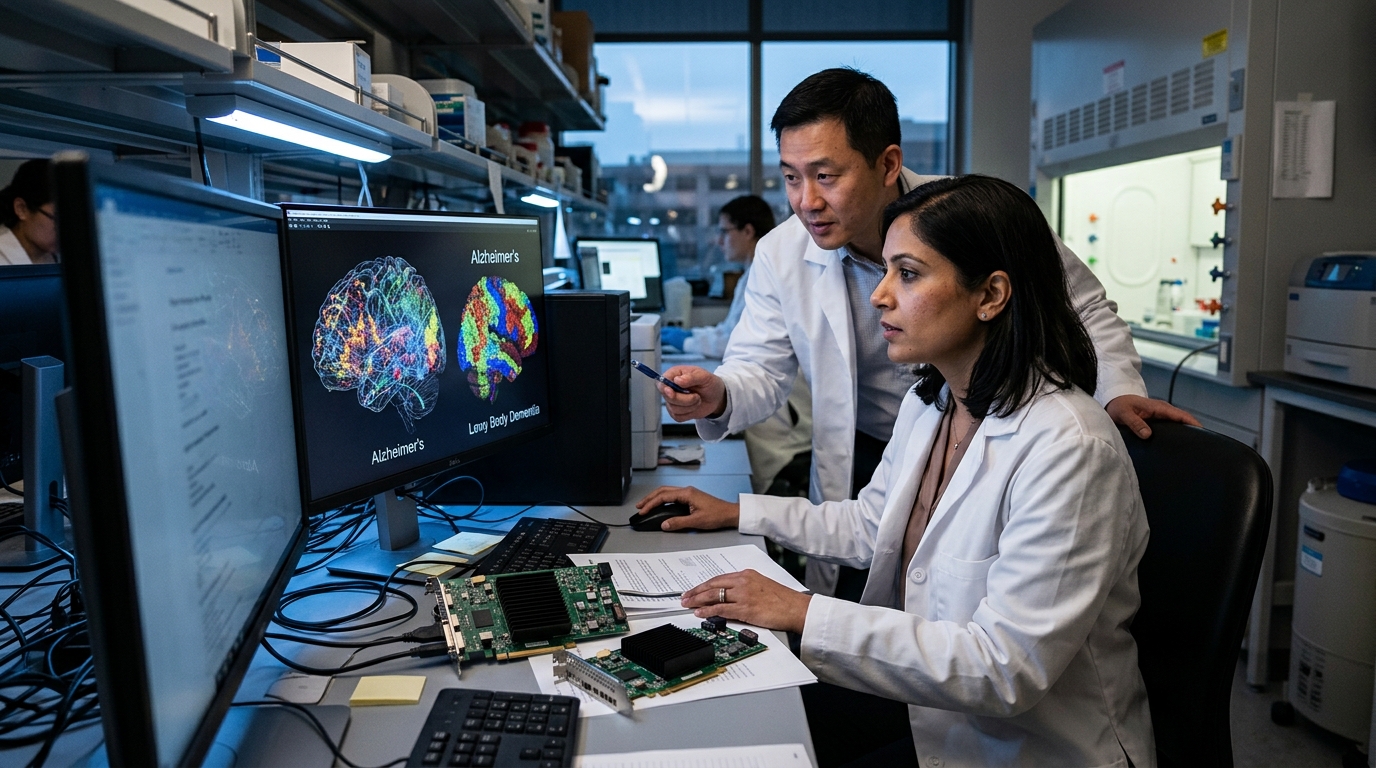
The field where AI is expected to make the most significant impact is biology and pharmaceuticals. Already, tools like Google DeepMind’s AlphaFold have solved the protein-folding problem, a decades-old mystery. Anthropic aims even higher: understanding disease mechanisms at a cellular level and designing personalized treatments.
- Drug Discovery: Processes that currently take 10 years and billions of dollars could be compressed into months.
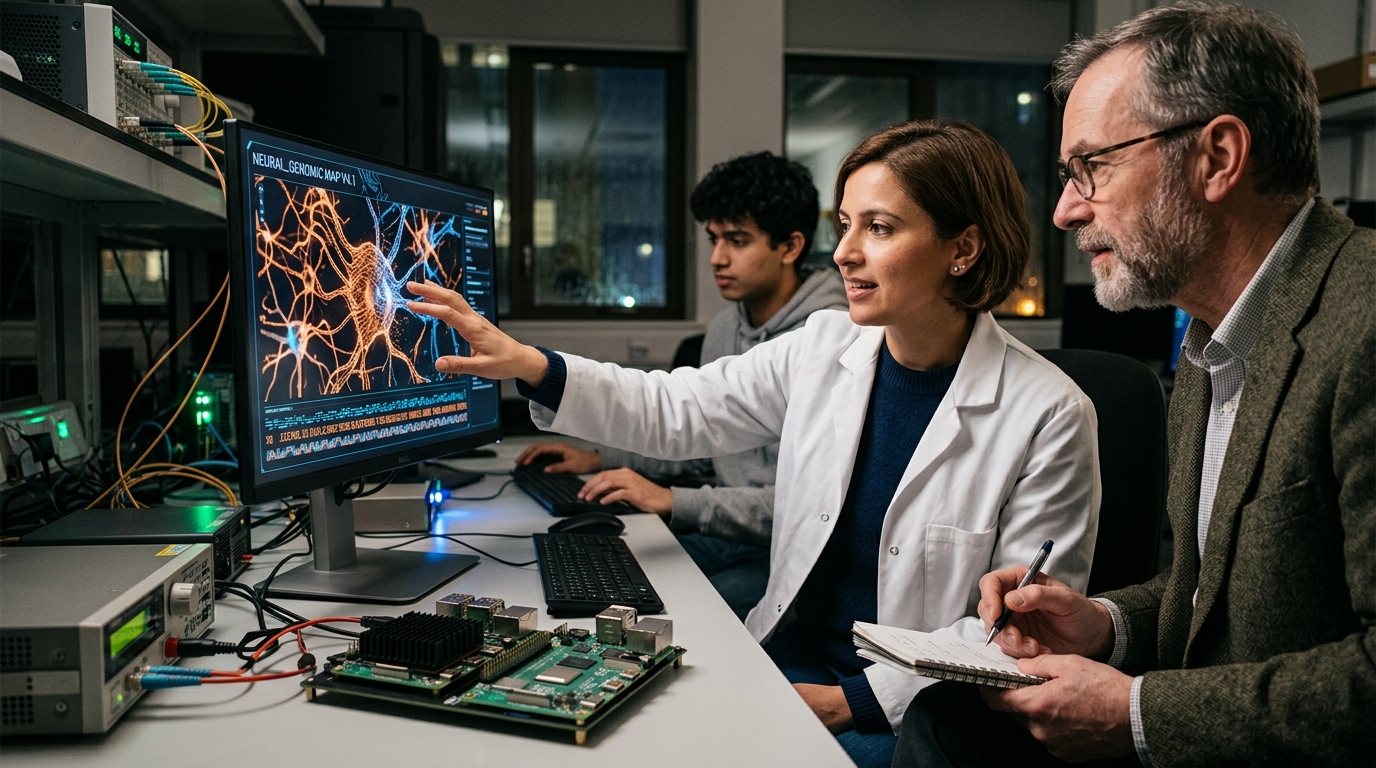
- Gene Therapy: AI can accurately predict how genomic changes affect an organism's overall health.
- Pandemic Response: The speed of identifying new pathogens and creating vaccines will become nearly instantaneous.
However, this progress does not come without risks. Anthropic has repeatedly warned about the possibility of AI being used to create biological weapons. The challenge lies in creating "guardrails" that allow scientific progress while preventing access to dangerous knowledge by malicious actors.
The Nobel Prize and the Ethics of Discovery
If an AI makes a world-changing discovery, who receives the Nobel Prize? This discussion is no longer theoretical. The scientific community is called to redefine the concepts of "authorship" and "intellectual property." Anthropic argues that AI should be treated as an accelerator of human intelligence, but the legal and ethical dimensions remain blurred.
"We are not far from the day when an AI system will propose a theory explaining phenomena that have eluded us for centuries," company executives state.
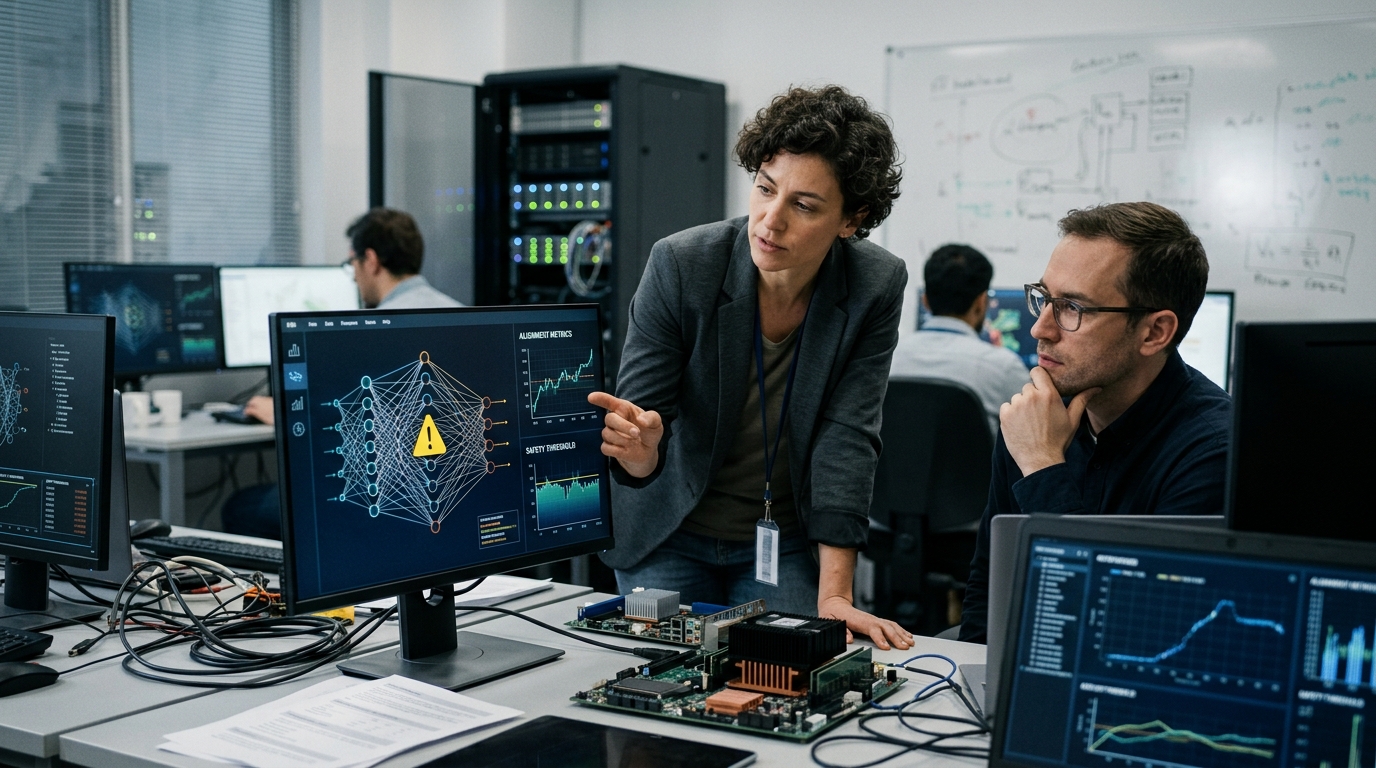
Anthropic’s strategy, which focuses on "alignment"—ensuring AI shares human values—is critical. If AI is to become the next Einstein, we must ensure its goals remain beneficial to humanity and are not limited to the profitability of tech giants.
Conclusion: A New Renaissance
The promise of Nobel-level discoveries by AI marks the end of the era of "blind" search in laboratories. We are moving into a phase where science becomes predictable, digital, and incredibly fast. While the security challenges are immense, the prospect of defeating diseases that have plagued humanity for millennia is too powerful to ignore. Anthropic is not just warning us about the future; it is inviting us to shape it wisely.