Medical science stands at a pivotal crossroads. For decades, diagnosis relied almost exclusively on human experience, intuition, and the meticulous study of symptoms. Today, the advent of Artificial Intelligence (AI) promises to transform this process, offering speed and precision that were once deemed inconceivable. However, as a recent analysis by The Boston Globe highlights, the path toward full integration of AI into clinical practice is not paved with rose petals, but with complex ethical, technical, and philosophical questions.
The Revolution of Pattern Recognition
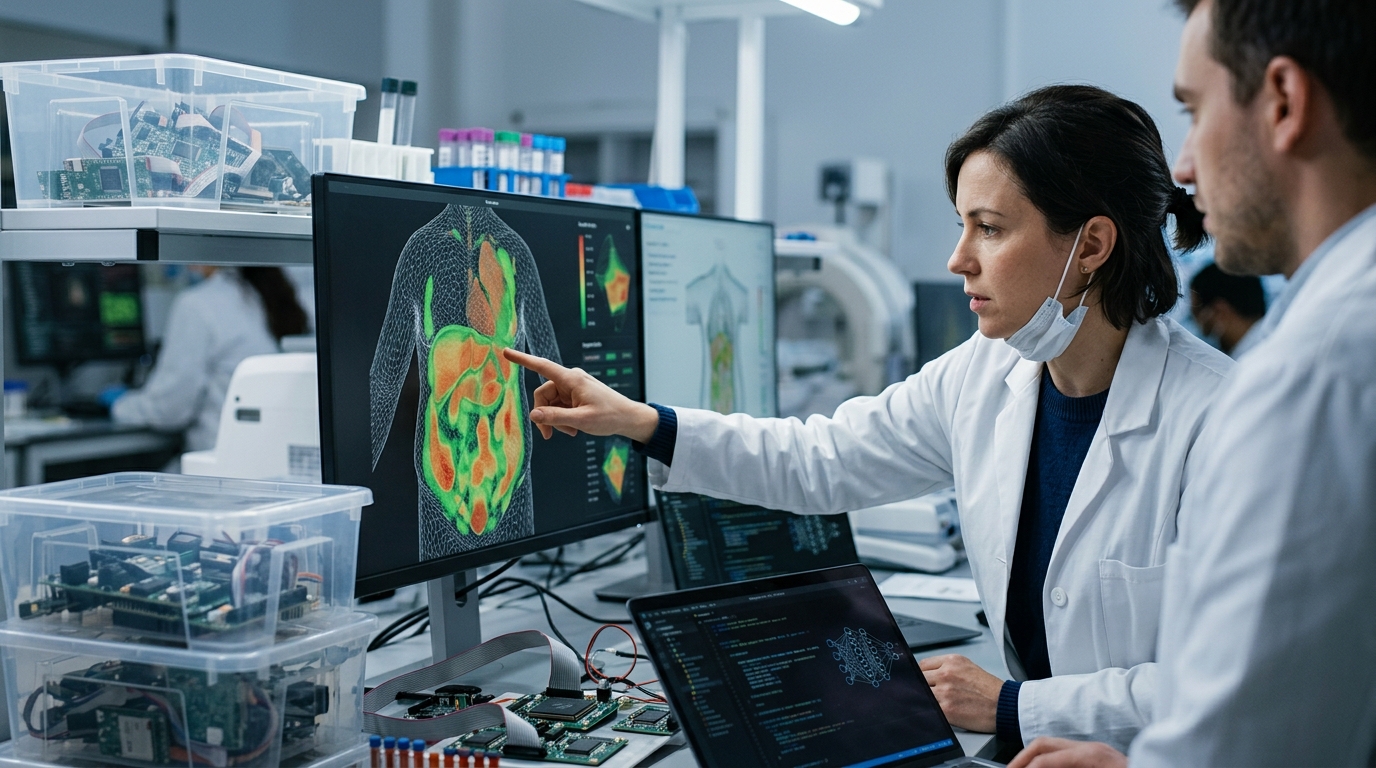
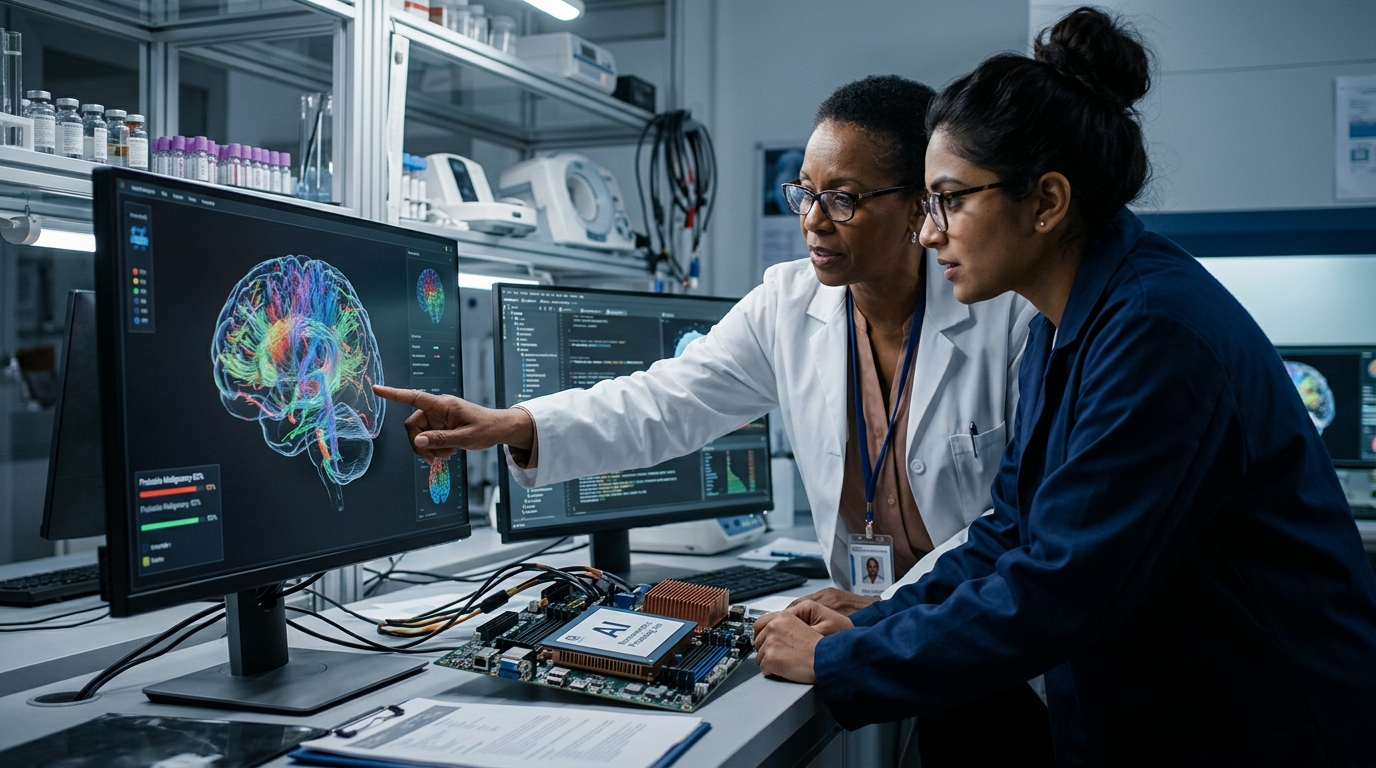
The greatest success of AI thus far is found in the field of medical imaging. Deep learning algorithms are trained on millions of X-rays, MRIs, and histological slides, developing the ability to identify anomalies that often escape the human eye. In recent studies, AI systems have managed to diagnose breast cancer at an earlier stage than experienced radiologists, while simultaneously reducing false positives.
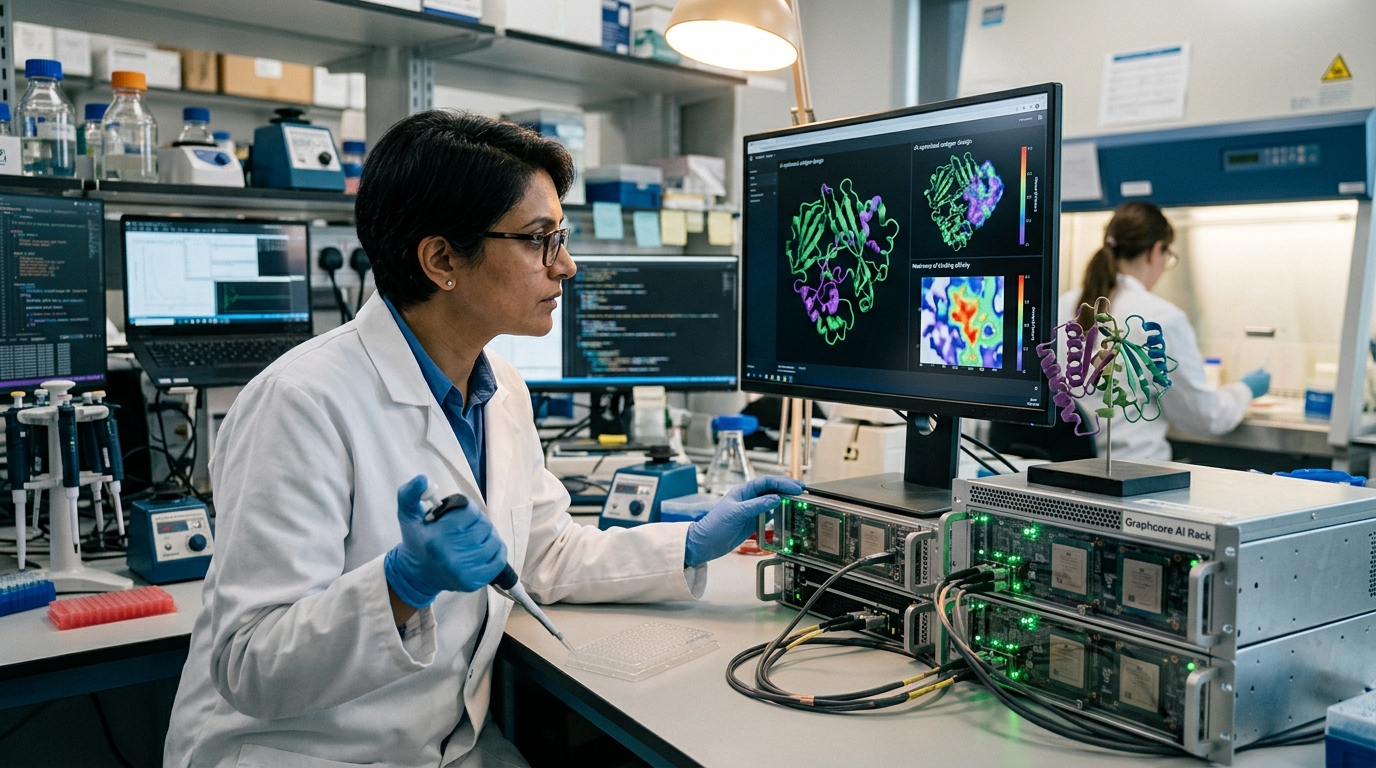
This superiority in pattern recognition is not limited to visual analysis. AI can process vast amounts of data from electronic health records, identifying correlations between genetic markers, lifestyle, and environmental factors. This holistic approach paves the way for precision medicine, where treatment is no longer "one size fits all" but tailored to each patient's unique biological profile.
The "Black Box" Problem and the Trust Crisis
Despite these successes, scientists express serious reservations about the so-called "black box" problem. Many of the most advanced algorithms operate in a way that even their creators cannot fully explain. When an AI decides that a tumor is malignant, a doctor needs to know "why." Without Explainable AI (XAI), a diagnosis remains a statistical prediction without causality, making it difficult to make critical life-altering decisions for the patient.
"Medicine is not just statistics; it is the art of understanding human biology. If we cannot understand the machine's reasoning, how can we trust it with the scalpel?"
Furthermore, there is the fear of over-reliance. If doctors begin to blindly trust AI recommendations, there is a risk of atrophy in their own diagnostic skills. The scientific community warns that AI should function as a "co-pilot" rather than a replacement, enhancing human judgment instead of substituting it.
Ethics, Bias, and Social Justice
Another dark side is data bias. Algorithms are only as good as the data they are trained on. If the data comes primarily from specific population groups (e.g., white patients in Western countries), AI may fail miserably when asked to diagnose patients from different ethnic or socioeconomic backgrounds. This could widen the gap in healthcare services, making cutting-edge technology a privilege for the few.
- The need for more representative training datasets.
- Transparency in the approval process of medical algorithms by regulatory bodies.
- Continuous monitoring of AI performance in real-world clinical conditions.
Scientists emphasize that the regulation of AI in health must be dynamic. Unlike drugs, algorithms evolve and change. This requires a new oversight framework that ensures patient safety remains the ultimate priority, even as technology advances at a breakneck pace.
The Future: The Doctor as Orchestrator
The future of medical diagnosis belongs neither exclusively to humans nor to machines, but to their collaboration. The doctor of the future will be an "orchestrator" of information, using AI to filter out noise and focus on the essence. AI can take over repetitive and time-consuming tasks, freeing up time for the doctor to communicate meaningfully with the patient, offer empathy, and consider the psychological and social dimensions of the illness.
In conclusion, the challenge is not only technological but also cultural. We must redefine what "diagnosis" means in the digital age. Science is called upon to build bridges of trust, ensuring that artificial intelligence remains a tool at the service of humanity and not an uncontrolled, authoritative judge of our health.