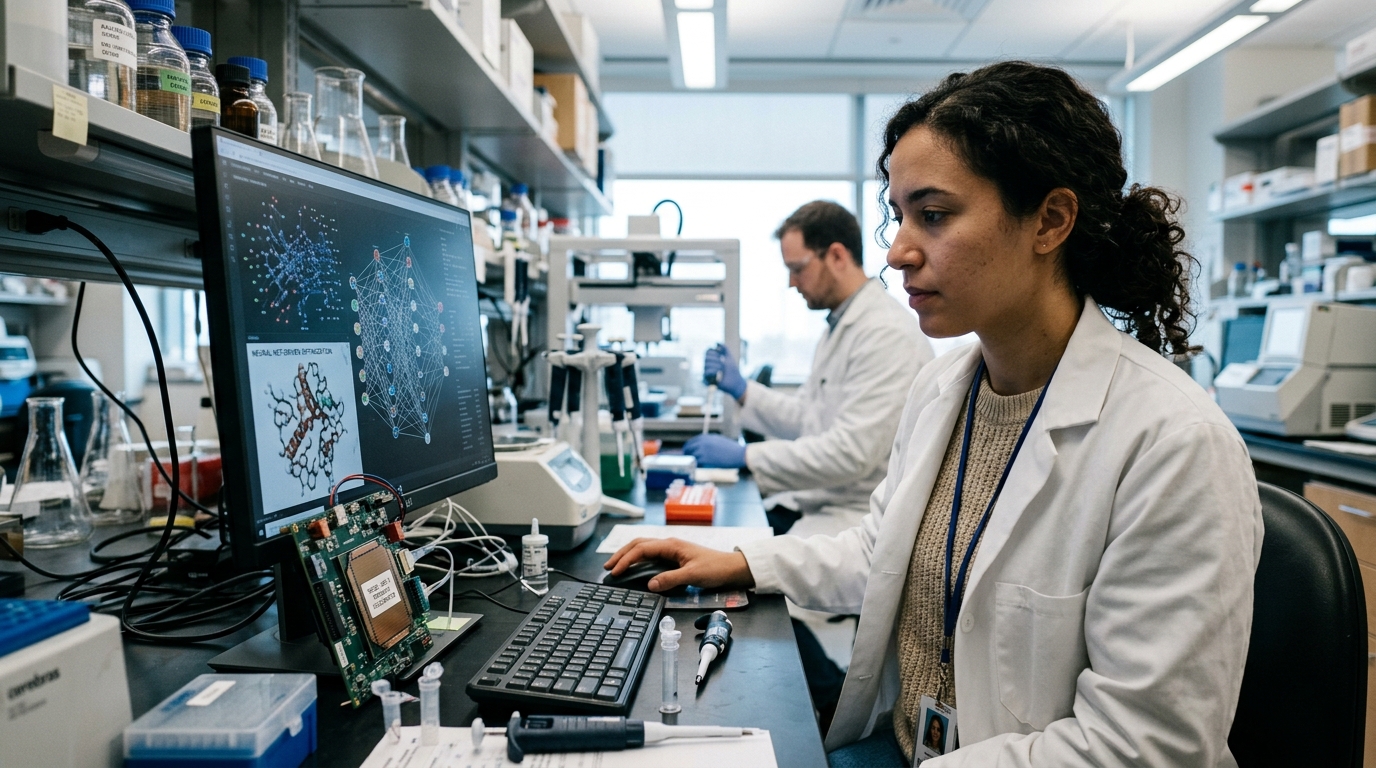
In the rapidly evolving world of medical science, May 21, 2026, marks a pivotal moment for how knowledge is generated and disseminated. A new podcast episode, featuring prominent scientific journal editors, sheds light on the radical shifts AI is bringing to clinical trials and the editorial process. The conversation is no longer about whether AI will be used, but how its integration will safeguard research integrity in an era where data is produced at algorithmic speeds.
The Integrity Crisis and AI as a Shield
For decades, scientific publishing relied on a slow, manual peer-review system. However, the rise of "paper mills"—factories producing fraudulent research—has pushed the system to its limits. Editors highlight that AI has become their primary weapon for detecting plagiarism, manipulated images, and statistical anomalies that the human eye cannot perceive. Large Language Models (LLMs) allow for the rapid scanning of thousands of submissions, ensuring that only studies with a solid methodological foundation move toward publication.
Nevertheless, the challenge remains twofold: while AI protects the ecosystem, it simultaneously threatens it. The ability of algorithms to create convincing yet entirely fabricated data forces publishing houses to invest in increasingly sophisticated "digital forensics" tools. The balance between speed and reliability is the new holy grail of scientific communication.
Rethinking Clinical Trials: The Rise of Synthetic Data
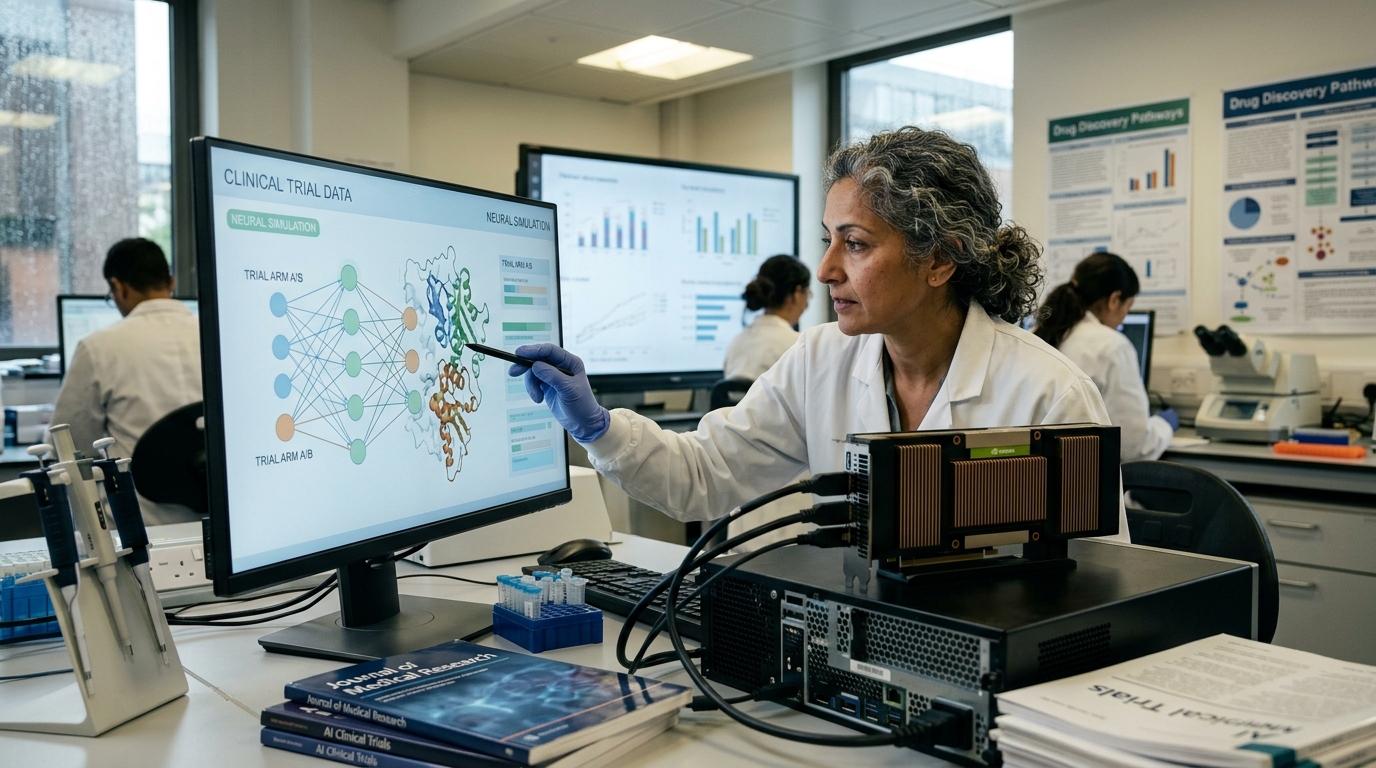
The most groundbreaking aspect of the discussion involves the reimagining of clinical trials. Traditionally, these trials require years and billions of dollars, with high failure rates. AI is changing this paradigm through "Synthetic Control Arms" (SCAs). Instead of recruiting thousands of patients to receive a placebo, researchers use historical data and AI models to simulate the reaction of a control group.
- Cost Reduction: Trials become more accessible for smaller biotech firms.
- Ethical Advantages: Fewer patients are exposed to placebos when viable treatments exist.
- Speed: The drug approval process for rare diseases is dramatically accelerated.
Editors emphasize that this transition requires a new form of transparency. Journals now demand full disclosure of the algorithms used to generate this synthetic data to avoid "black holes" in scientific evidence.
The Editor’s Role in the Age of Algorithms
What does this mean for the human element? The prevailing view is that the editor's role is shifting from "gatekeeper" to "value curator." In a world where information is abundant, the ability to distinguish between the clinically significant and the merely statistically valid becomes invaluable. AI can analyze data, but it cannot understand the ethical weight of a medical decision or the social impact of a new therapy.
"Artificial Intelligence will not replace the scientist or the editor, but the scientist who uses AI will replace the one who does not," was a standout quote from the episode.
In conclusion, scientific publishing in 2026 is in a phase of creative destruction. Old methods are collapsing under the weight of digital complexity, but in their place, a more dynamic, transparent, and efficient system is emerging, capable of bringing medical breakthroughs to patients faster than ever before.