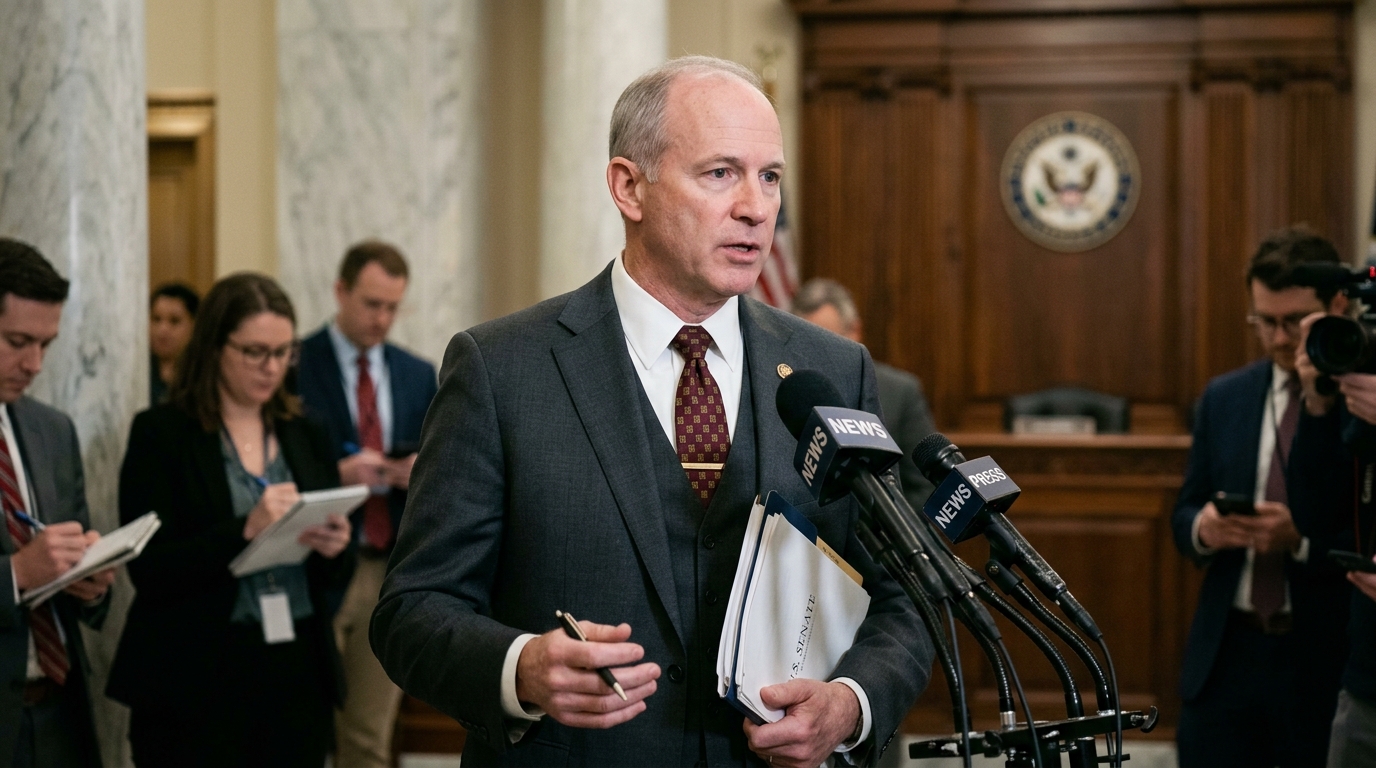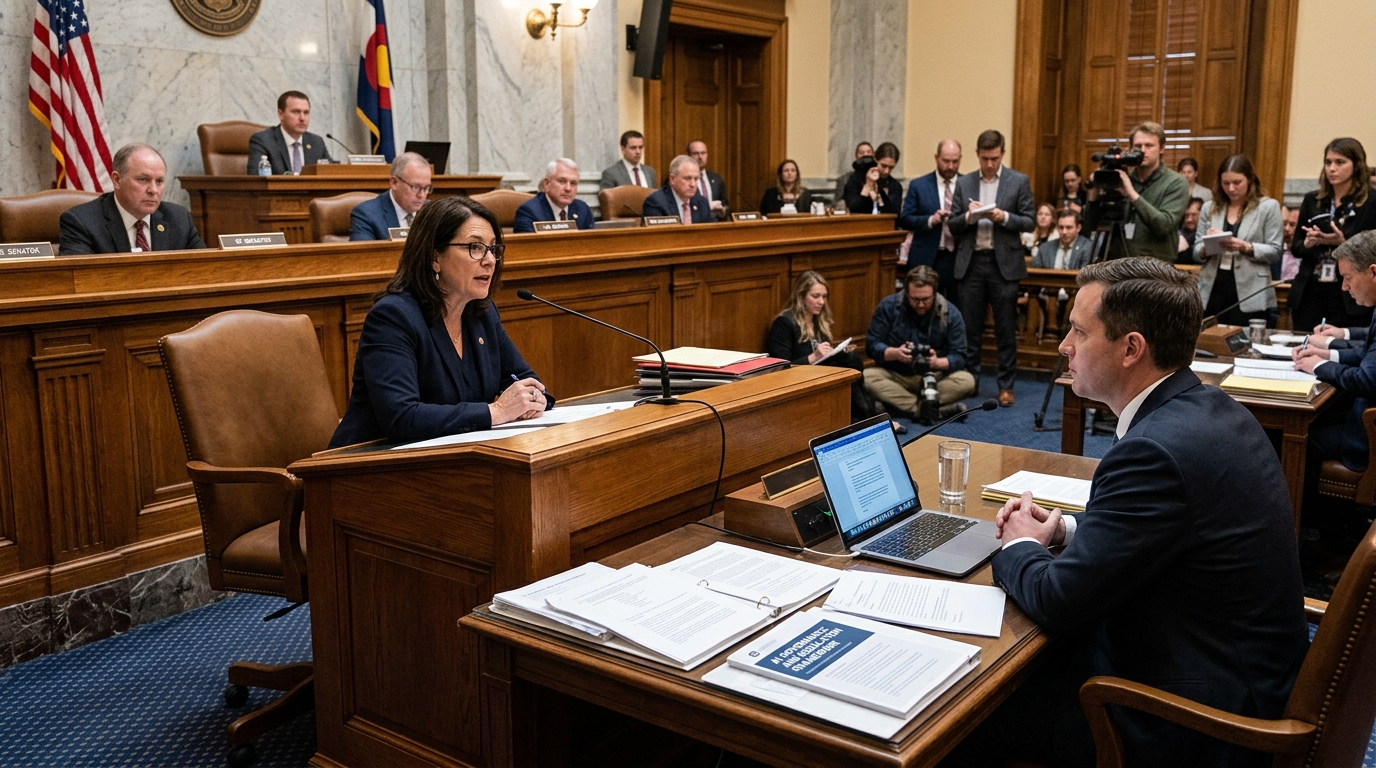
In a move poised to become a landmark judicial test for the global technology industry, xAI, Elon Musk's artificial intelligence company, has filed a lawsuit seeking to enjoin the enforcement of Colorado's Artificial Intelligence Act (SB24-205). The legal challenge, filed just weeks before the law’s scheduled effective date of June 30, 2026, targets the first comprehensive attempt by a U.S. state to regulate high-risk AI systems.
The Core of the Conflict: Innovation vs. Oversight
The Colorado AI Act, signed into law in 2024, mandates that developers and deployers of AI systems exercise "reasonable care" to avoid algorithmic discrimination. It specifically focuses on "high-risk" applications, including employment, banking, housing, insurance, and healthcare. xAI contends that these requirements are unconstitutionally vague and impose an insurmountable burden on technology developers.
At the heart of the lawsuit is the argument that software code constitutes a form of protected speech under the First Amendment of the U.S. Constitution. xAI asserts that the disclosure mandates and documentation requirements imposed by Colorado amount to "compelled speech," forcing companies to adopt specific ideological stances on "bias" and "fairness" that lack objective legal definitions.
The "Patchwork" Problem and Federal Preemption
One of the primary concerns raised by xAI, which echoes sentiments across Silicon Valley, is the risk of a "patchwork" of conflicting state regulations. As the U.S. Congress remains deadlocked on federal AI legislation, states like California and Colorado have moved to fill the vacuum. xAI argues that such a regulatory landscape makes it impossible to operate a national technological infrastructure, as companies would need to comply with 50 different sets of rules.
Furthermore, the lawsuit claims that the Colorado law violates the Commerce Clause by regulating activities that extend far beyond state lines. Given that xAI’s models, such as Grok, are trained on global datasets and utilized by users worldwide, complying with Colorado’s specific mandates would effectively require altering the model for all users, thereby imposing one state's standards on the entire nation.
Implications for Algorithmic Accountability
Proponents of SB24-205 argue that xAI’s lawsuit is an attempt by tech giants to evade any form of accountability. The law does not ban AI; rather, it demands transparency. Companies are required to publish summaries of their systems, perform impact assessments, and notify consumers when an algorithm makes a significant decision affecting them.
If xAI succeeds in securing an injunction, it could deter other states from pursuing similar legislative initiatives. Conversely, if the court rules in favor of Colorado, it will pave the way for a new era of stringent AI oversight in the U.S., mirroring the trajectory set by the European Union’s AI Act. The decision is eagerly awaited before the June 30 deadline, as it will determine whether the "Wild West" of AI development is coming to an end or if the freedom of innovation will prevail over regulatory concerns.