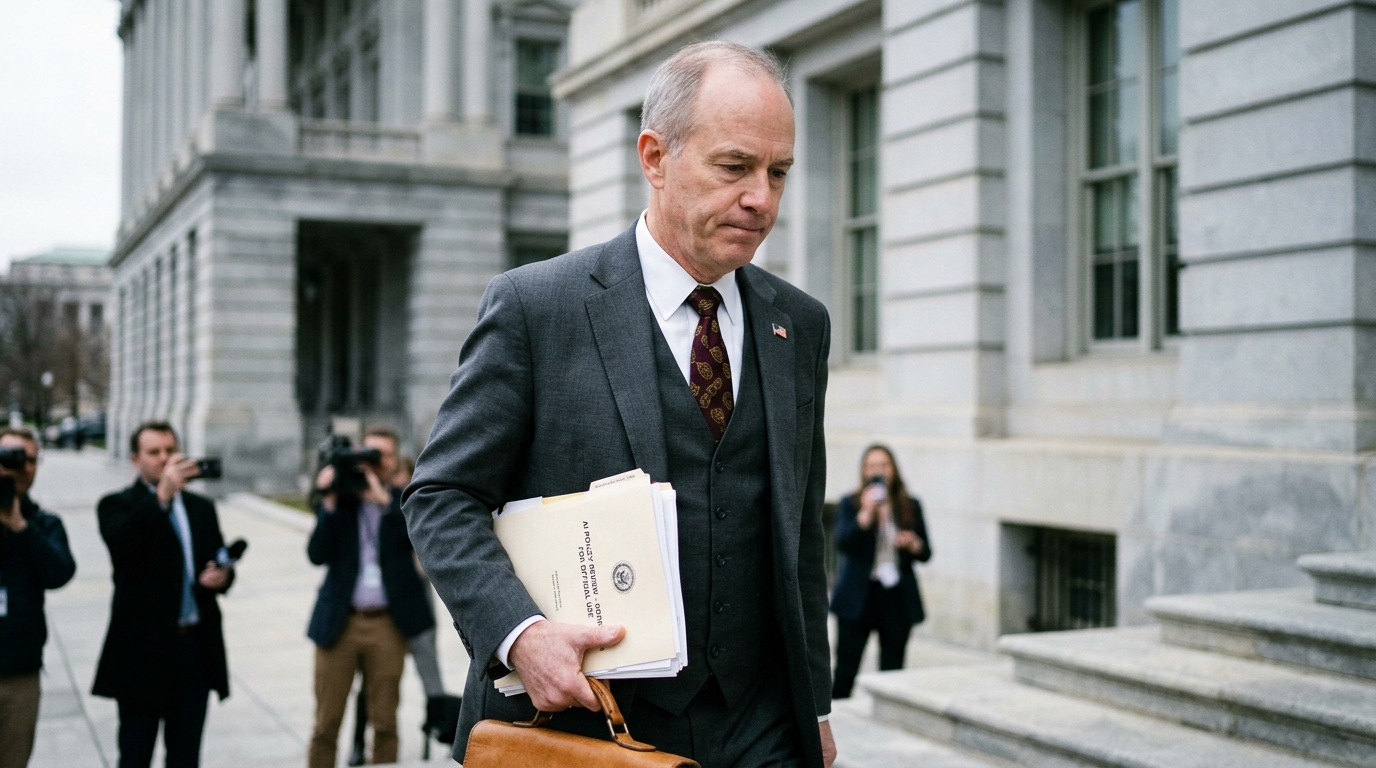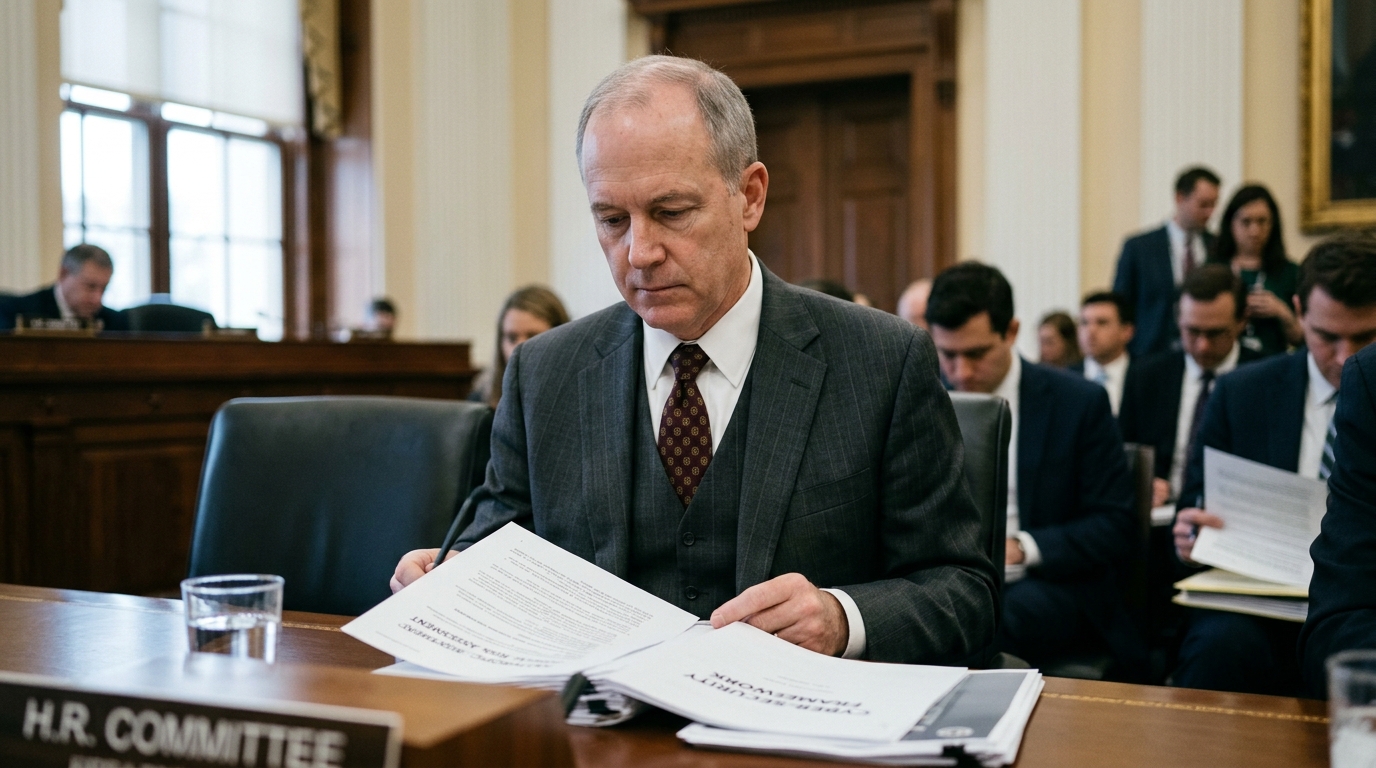
In a move that highlights the escalating tension between AI giants and national security apparatus, the White House has intervened to halt Anthropic PBC’s plans regarding the rollout of its newest model, Mythos. According to a report by the Wall Street Journal, the US administration expressed grave concerns that this technology is so advanced it could facilitate catastrophic cyberattacks if it fell into the wrong hands.
The Power and Peril of Mythos
The Mythos model is not merely another writing assistant or image generator. According to Anthropic itself, the model possesses unprecedented capabilities in understanding and generating code, as well as detecting vulnerabilities in critical infrastructure. The company, founded on the principle of "AI safety," admitted in internal reports that Mythos could be used to automate complex cyberattacks that previously required entire teams of specialized hackers.
The White House’s opposition centers primarily on Anthropic’s intent to offer access to the model to foreign partners and large multinational corporations. Security officials fear that the diffusion of such power could undermine US defensive capabilities, leaving the nation's digital borders vulnerable to attacks from state actors or terrorist organizations.
The Geopolitical Chessboard of AI
This decision does not occur in a vacuum. We are in an era where artificial intelligence has become the new frontier of geopolitical competition. The Biden-Harris administration has already imposed strict restrictions on high-tech chip exports to China, and it now appears to be extending this policy of "protectionism" to the level of software and foundation models.
Anthropic, for its part, argues that limited and controlled access to selected allies is necessary to maintain Western technological supremacy. However, intelligence agencies worry that even with strict protocols, the "leakage" of the model's capabilities is inevitable.
"We cannot allow the export of a digital weapon before we even understand how to defend against it,"stated a senior administration official who requested anonymity.
The Dilemma of Innovation and Regulation
The Mythos case poses a critical question for the future of the industry: Who controls artificial intelligence? The companies that develop it or the state responsible for the security of its citizens? Anthropic finds itself in a particularly awkward position, as its very corporate identity is built on the responsible development of AI. The fact that its own "safe" model is now deemed dangerous by the government is an irony that does not escape the notice of analysts.
- Anthropic seeks to capitalize on its multi-billion dollar investment through global partnerships.
- The White House favors a "closed-door" strategy for models considered dual-use (civilian and military).
- US allies in Europe and Asia are watching closely, fearing they will be left behind in the AI race due to American restrictions.
As we move into the second half of 2026, this conflict is expected to intensify. The need for an international framework for AI governance is more urgent than ever, but as long as technology evolves faster than diplomacy, unilateral bans will remain the primary tool of major powers.