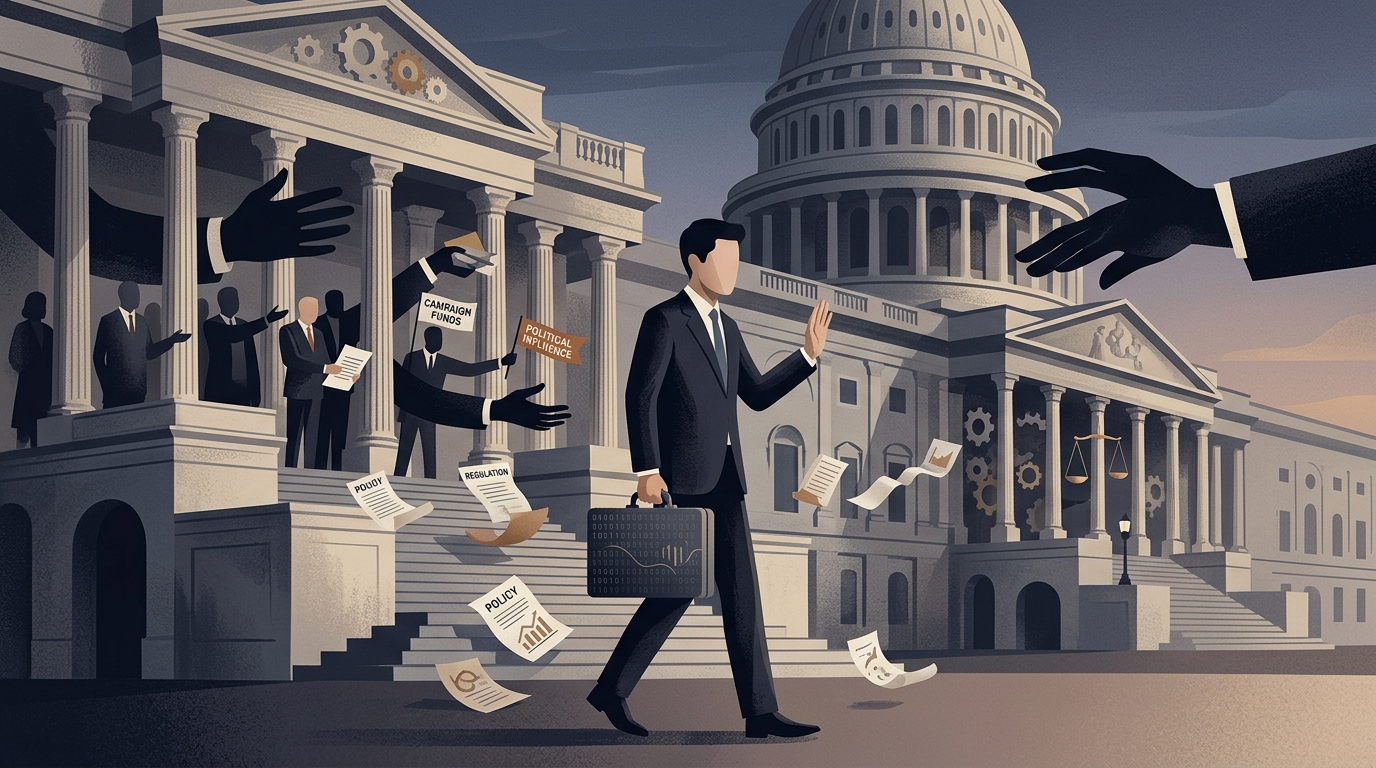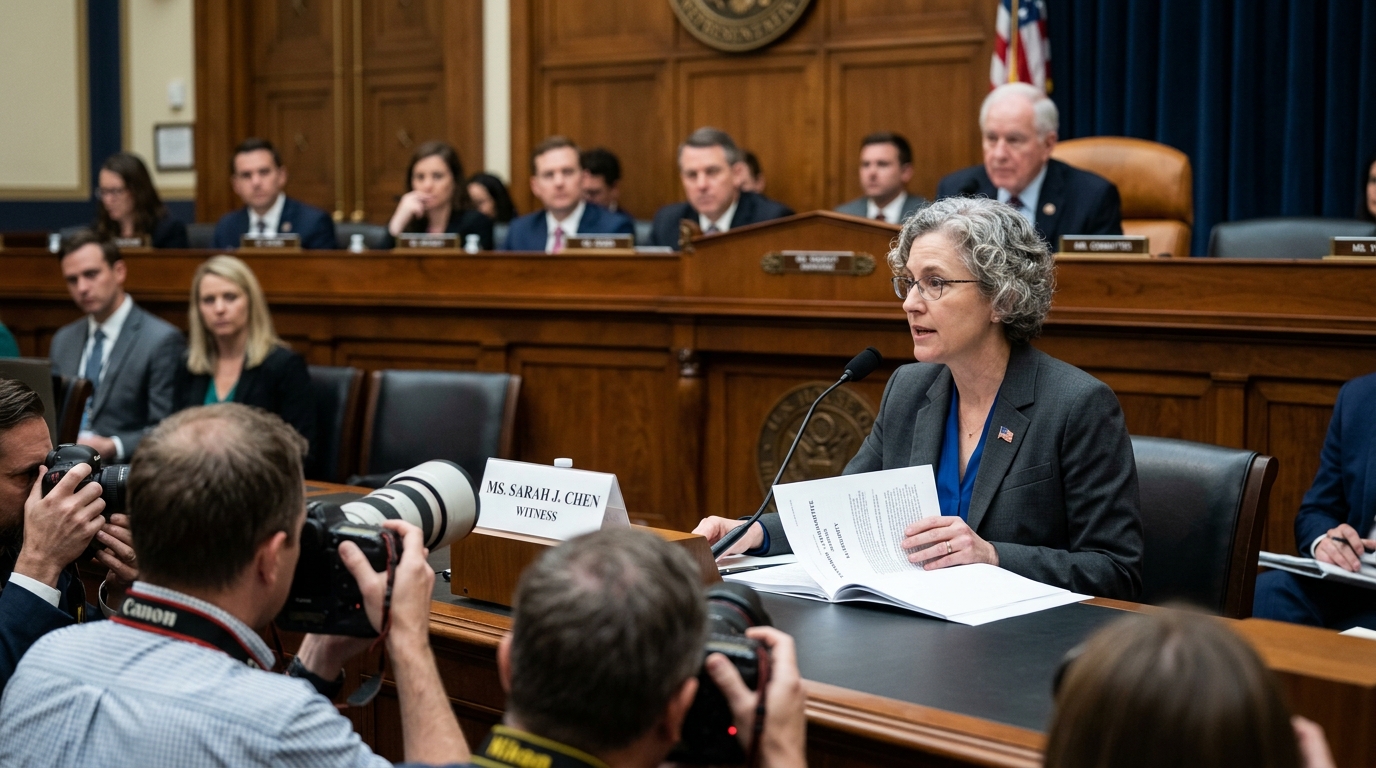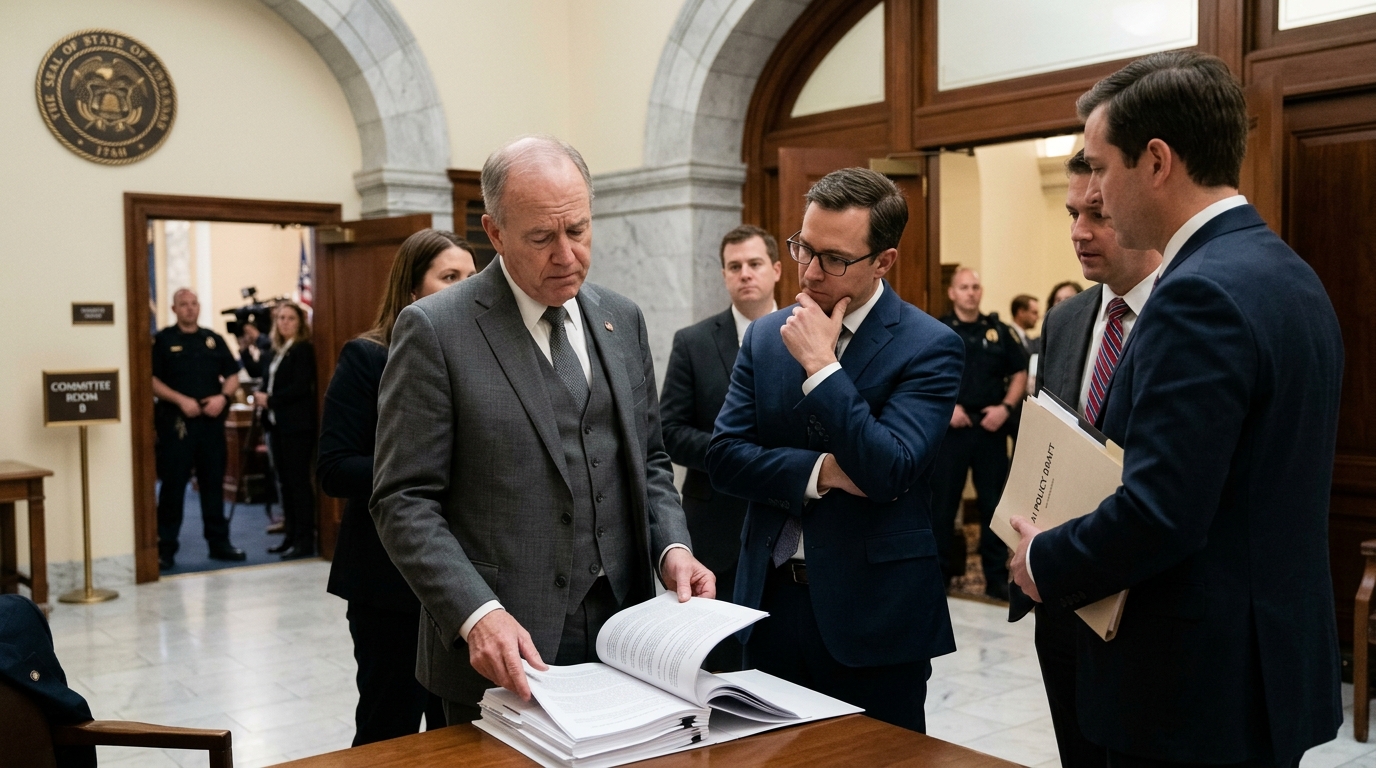
The political landscape of the United States is witnessing a paradoxical clash. While President-elect Donald Trump has made it clear that deregulating Artificial Intelligence (AI) is a top priority for his administration, a group of Republican lawmakers in traditionally conservative states, led by Utah, is choosing a different path. The case of Todd Weiler, a Utah state senator, highlights a deep ideological and practical struggle over who should control the technology that is reshaping the world.
The Trump Doctrine and the Promise of 'Total Innovation'
Throughout his campaign, Trump repeatedly vowed to rescind Joe Biden’s executive order on AI, which established foundational standards for safety, security, and privacy. For the Trump camp, these regulations are viewed as a 'shackle on innovation' and a tool that allows China to gain an edge in the race for technological supremacy. Trump’s rhetoric aligns with major Silicon Valley donors and accelerationists who advocate for a 'light-touch' regulatory environment.
However, Trump’s desire to enforce a unified, deregulated federal line runs headlong into the principles of federalism that the Republican Party has historically championed. If states are stripped of their right to protect their citizens from the potential harms of AI, it creates a political contradiction that is difficult to bridge. The tension is no longer just between Democrats and Republicans, but within the GOP itself.
The Utah Outlier: Consumer Protection Over Ideology
Todd Weiler is not your typical 'rebel.' As a staunch Republican, he believes in free markets, but he also believes in accountability. The legislation he championed in Utah, the 'Artificial Intelligence Policy Act,' is one of the first comprehensive laws in the U.S. aimed at protecting consumers from AI-driven fraud. The law requires companies to disclose when a user is interacting with an AI and holds businesses liable for deceptive practices executed by algorithms.
- Establishment of an Office of Artificial Intelligence Policy to monitor technological shifts.
- Implementation of fines for cases where AI is used for deception without disclosure.
- A 'regulatory sandbox' framework that allows companies to test technologies under state oversight.
Weiler argues that waiting for a federal solution is a dangerous gamble. 'Congress moves at a snail’s pace, while technology moves at the speed of light,' he has remarked. This stance reflects a growing anxiety across states that the power vacuum in Washington leaves citizens vulnerable to deepfakes, algorithmic bias, and automated scams. For Weiler, AI regulation isn't 'big government'; it's 'smart governance.'
The 'Patchwork' Problem and Industry Pushback
The tech industry’s greatest fear is a 'patchwork' of regulations—a mosaic of different laws across 50 states that makes compliance nearly impossible or prohibitively expensive. California, Colorado, and now Utah have already enacted rules, while dozens of other states are considering similar measures. Industry lobbyists are already signaling to the Trump administration to use 'federal preemption' to strike down these state laws.
'If we have 50 different sets of rules for AI, America will lose its competitive edge against global adversaries,' industry executives warn.
But for lawmakers like Weiler, the protection of local constituents takes precedence over the convenience of multinational corporations. This legal and political battle is likely headed toward the Supreme Court, as it tests the limits of state sovereignty versus the federal government's desire for an unfettered technological marketplace. AI has ceased to be merely a technical issue; it is the new frontier in the war for the soul of American federalism.