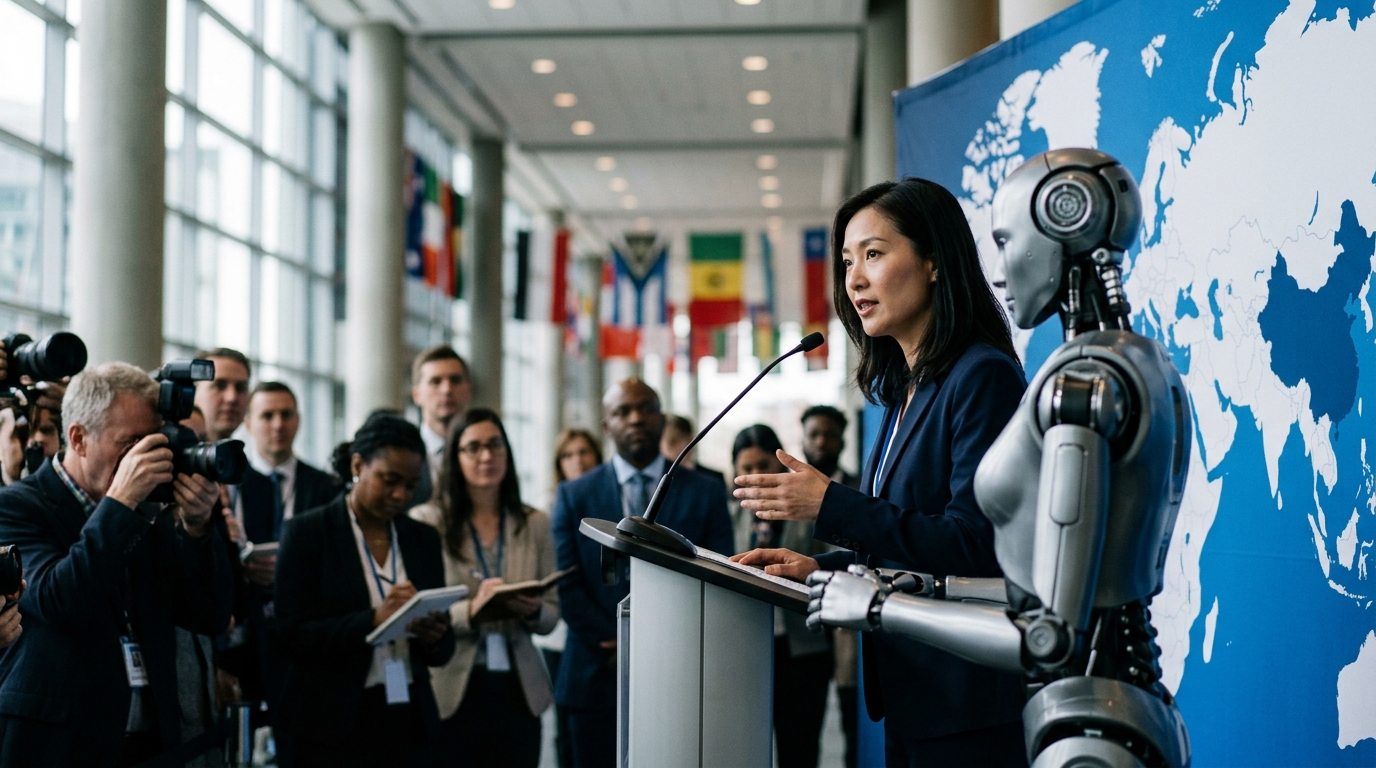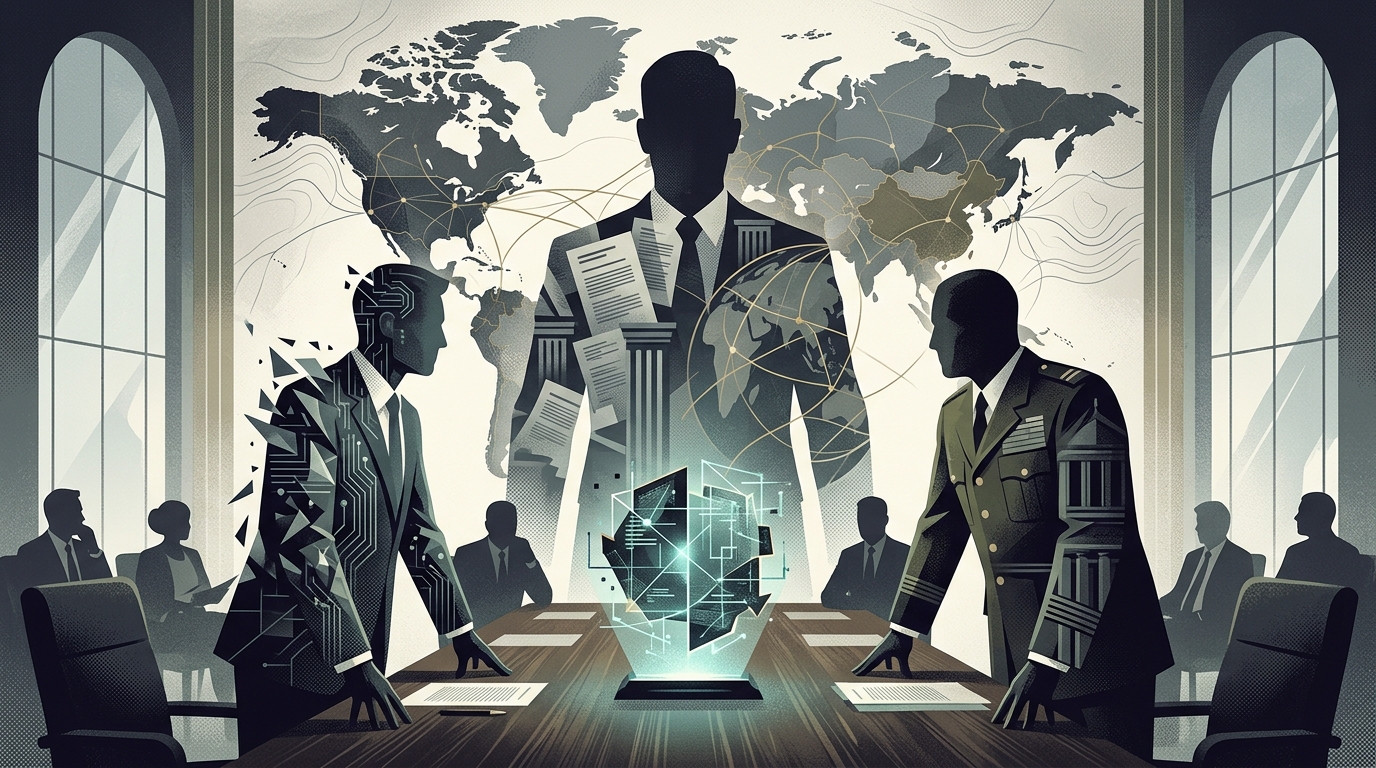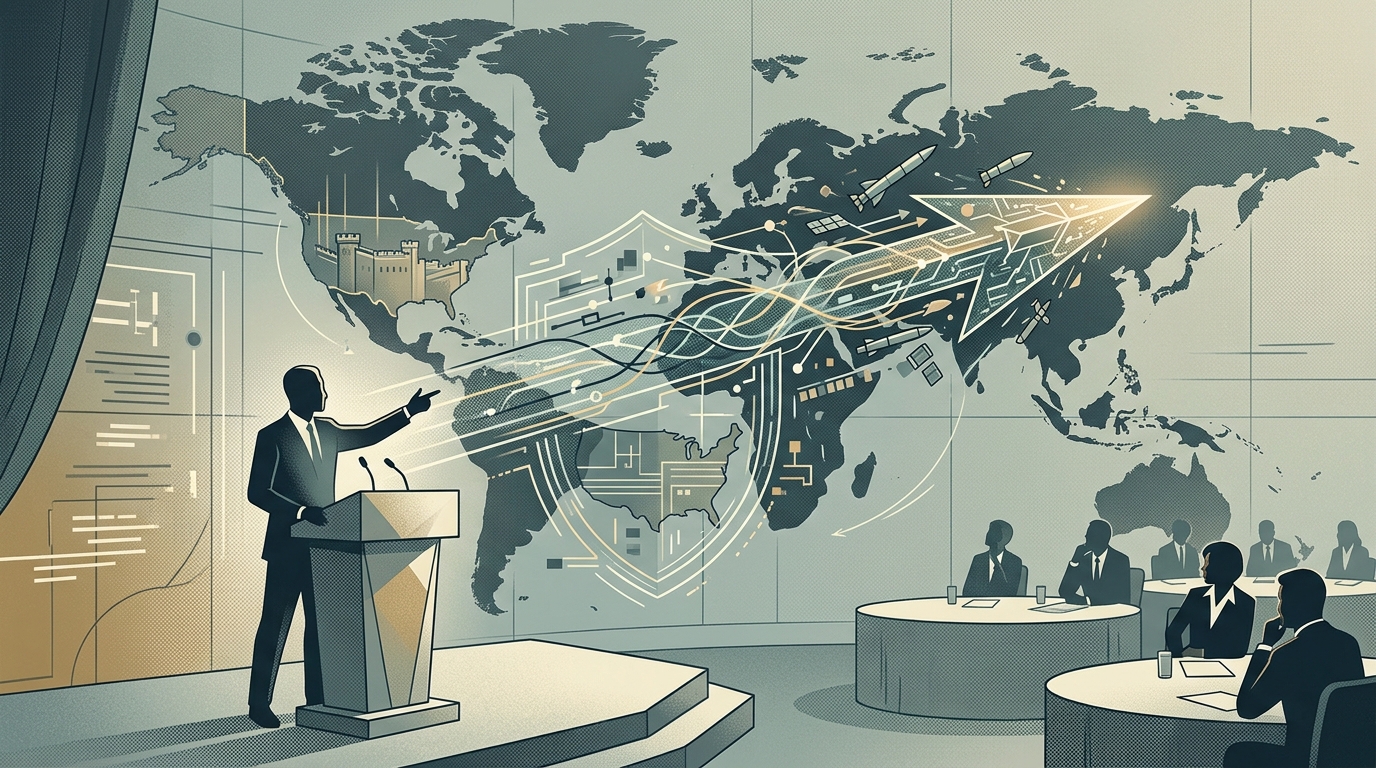
The common perception of Iran is that of a rigid theocracy, anchored in traditional values and a somewhat clunky state apparatus. However, a recent analysis by The Economist reveals a starkly different reality in the digital sphere. Tehran appears to have grasped the power of Artificial Intelligence (AI) far more effectively than many of its Western adversaries, turning generative AI tools into the spearhead of a new, highly potent form of propaganda.
Tehran’s Digital Metamorphosis
For decades, Iranian propaganda was easily identifiable: dry speeches, poor-quality graphics, and rhetoric aimed primarily at a domestic audience. This has changed radically. Today, Iranian influence operations utilize sophisticated AI models to create content that is not only visually compelling but also culturally resonant. Tools like Midjourney and DALL-E allow Tehran to produce thousands of memes, videos, and articles that blend seamlessly with organic user-generated content.
The key to their success is not just the technology, but the 'language' they employ. Instead of standard religious slogans, new campaigns utilize humor, irony, and critiques of Western social contradictions. This approach finds fertile ground among younger audiences in the West and the Global South, where distrust toward traditional institutions is already at an all-time high.
Humor as a Geopolitical Weapon
The Economist report highlights that Iran has managed to 'weaponize' humor in a way that the US struggles to counter. Through AI, satirical videos are created that mock US foreign policy or highlight perceived hypocrisy regarding human rights. This content spreads rapidly on platforms like TikTok and X (formerly Twitter), often bypassing propaganda detection algorithms.
- Deployment of Deepfakes to create false but believable statements from political figures.
- Automated bot networks that engage with real users using natural, conversational language.
- Targeted disinformation campaigns during critical events, such as the conflict in Gaza.
Iran’s ability to adapt to local dialects and cultural nuances via AI is remarkable. They can now produce content in English, French, or Spanish that bears no resemblance to 'Google Translate' output, but rather carries the tone and cadence of a local activist.
American Inertia and Geopolitical Implications
While the US remains the global leader in AI development, its state machinery seems trapped in bureaucratic processes and legal constraints. Washington hesitates to use the same 'dirty' tools, fearing political fallout and the erosion of democratic values. However, this vacuum allows nations like Iran, Russia, and China to dominate the digital narrative.
"Propaganda is no longer about who has the loudest megaphone, but who can whisper most convincingly into the ear of each individual user," note digital security analysts.
Iran’s success in this field has broader implications. It undermines American soft power and creates an environment where truth becomes subjective. If a theocracy can use the West’s own cutting-edge technology to strike from within, then the rules of the geopolitical game have permanently shifted. AI is no longer just a tool for economic growth; it is the ultimate weapon in the war of perceptions.