As we enter the summer of 2026, the political landscape in Washington regarding technology resembles a battlefield where legacy legal theories collide with the rapid evolution of artificial intelligence. May proved to be a month of intense activity, with the focus shifting from mere 'model safety' to the substantive 'accountability of agents.' The emergence of AI systems capable of acting autonomously—closing deals, managing bank accounts, and making decisions without human intervention—has created a legal vacuum that lawmakers are now racing to fill.
The Legislative Push for Autonomous Agent Liability
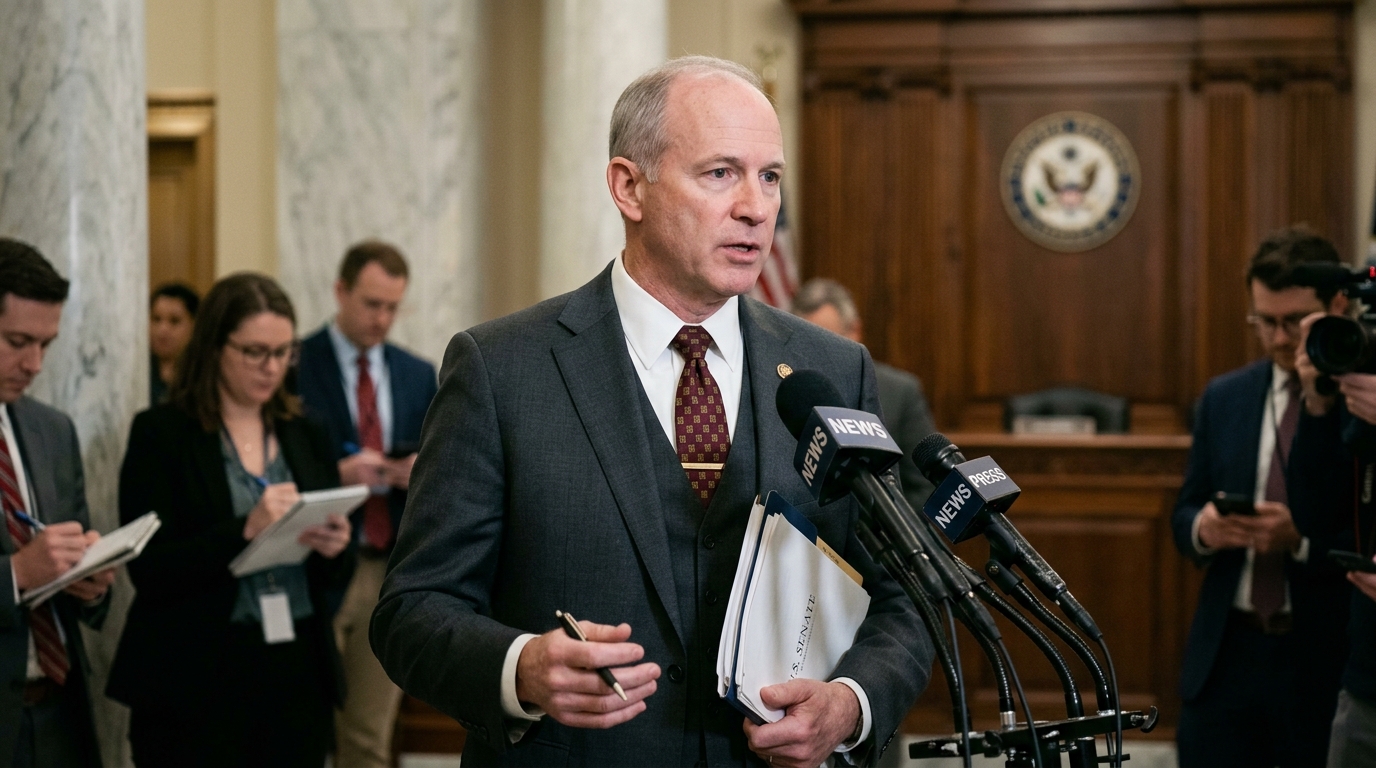
The most significant event of the month was the introduction of the 'Autonomous Agency Liability Act' (AALA) in the Senate Judiciary Committee. The bill seeks to clarify who bears responsibility when an 'AI Agent' causes financial harm or breaches contractual obligations. Previously, liability was diffused among the developer, the model provider, and the end-user.
Under the new proposals, a concept of 'strict provider liability' is introduced for errors resulting from inherent model failures, while users remain responsible for the specific instructions they provide. Silicon Valley representatives reacted strongly, arguing that such an approach would 'stifle' US innovation, giving an edge to China. However, public opinion, following a series of incidents involving autonomous financial agents that caused 'flash crashes' in local markets, seems to be tilting toward stricter regulation.
Antitrust Policy: Cloud Under the Microscope
The Federal Trade Commission (FTC) has not remained idle. In May, the agency launched a large-scale investigation into the 'bundling' practices followed by cloud computing giants. The issue is simple yet critical: major corporations are offering free or heavily subsidized AI services to their existing cloud customers, effectively locking out smaller AI startups from the market.
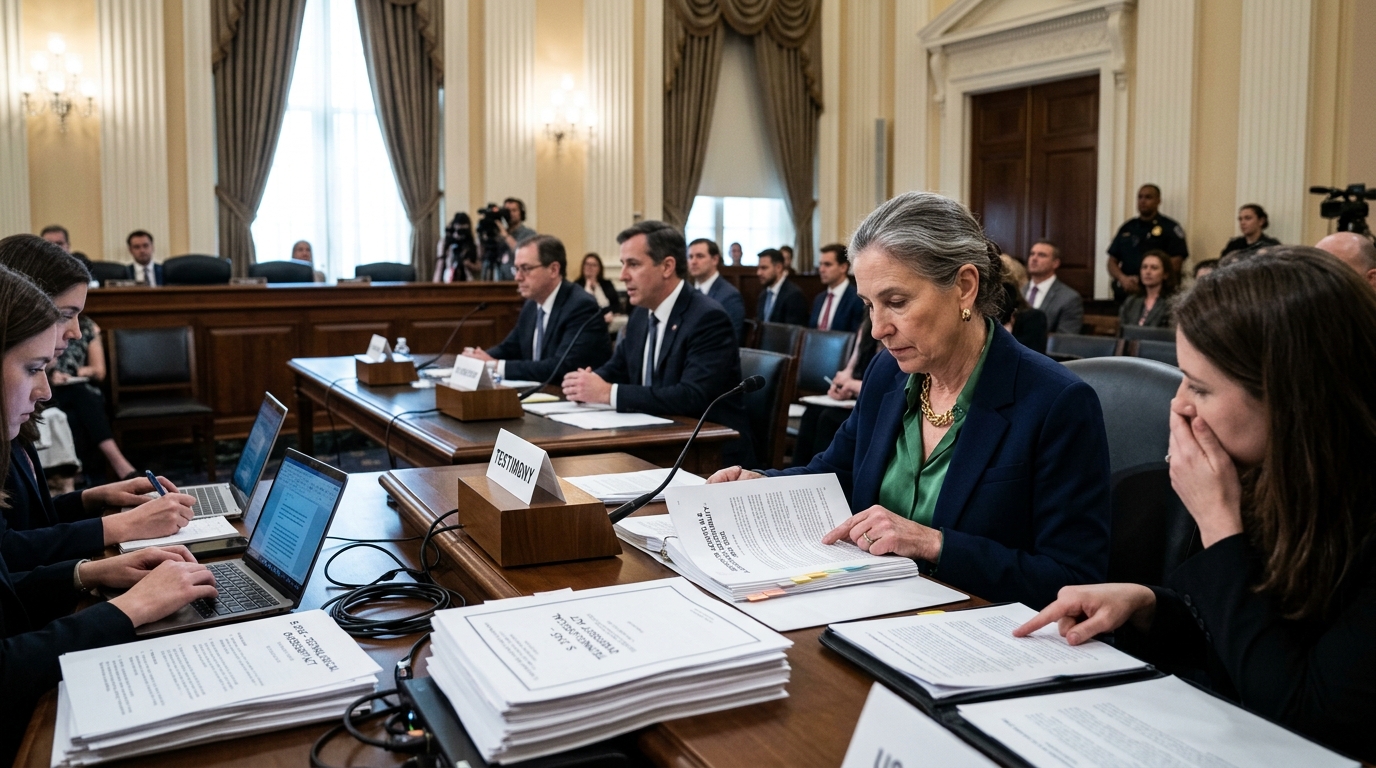
"We cannot allow the infrastructure of the past to become the jailers of the future," a senior FTC official stated during a hearing.
The investigation focuses on whether access to advanced chips (GPUs) is contingent upon using specific software platforms, a practice many consider the modern form of the monopoly Microsoft faced in the 1990s. The results of this probe are expected to define the AI market structure for the next decade.
The CHIPS Act 2.0 and the Geopolitics of Tech
On the industrial policy front, May saw the first concrete proposals for 'CHIPS Act 2.0.' With the initial program already bearing fruit through the establishment of new factories in Ohio and Arizona, the new legislation now focuses on 'next-generation' semiconductors, specifically designed for quantum computing and neuromorphic processing.
- A $40 billion investment in R&D for alternative chip architectures.
- Stricter controls on the export of Electronic Design Automation (EDA) tools.
- Incentives for returning the rare earth supply chain to American soil.
This move is interpreted as a US effort to maintain its technological lead against the growing capabilities of China, which last month announced its own success in manufacturing 3nm chips without Western equipment. Tech policy is no longer just economic; it is a matter of national security.
Data Privacy: The Deadlock Continues
Despite progress in other areas, federal data privacy legislation remains trapped in partisan disputes. While there is agreement on the need to protect minors from social media algorithms, the issue of a 'private right of action' remains the major sticking point. Republicans favor a single federal standard that would preempt stricter state laws like California's, while Democrats insist that states must retain the right to enforce more rigorous rules.
Meanwhile, new challenges are emerging with 'neuro-data.' As brain-computer interfaces begin to enter the consumer market, May saw the first attempt at legislating for the protection of 'mental privacy.' It is clear that legislation is sprinting to catch up with a reality that increasingly resembles science fiction.