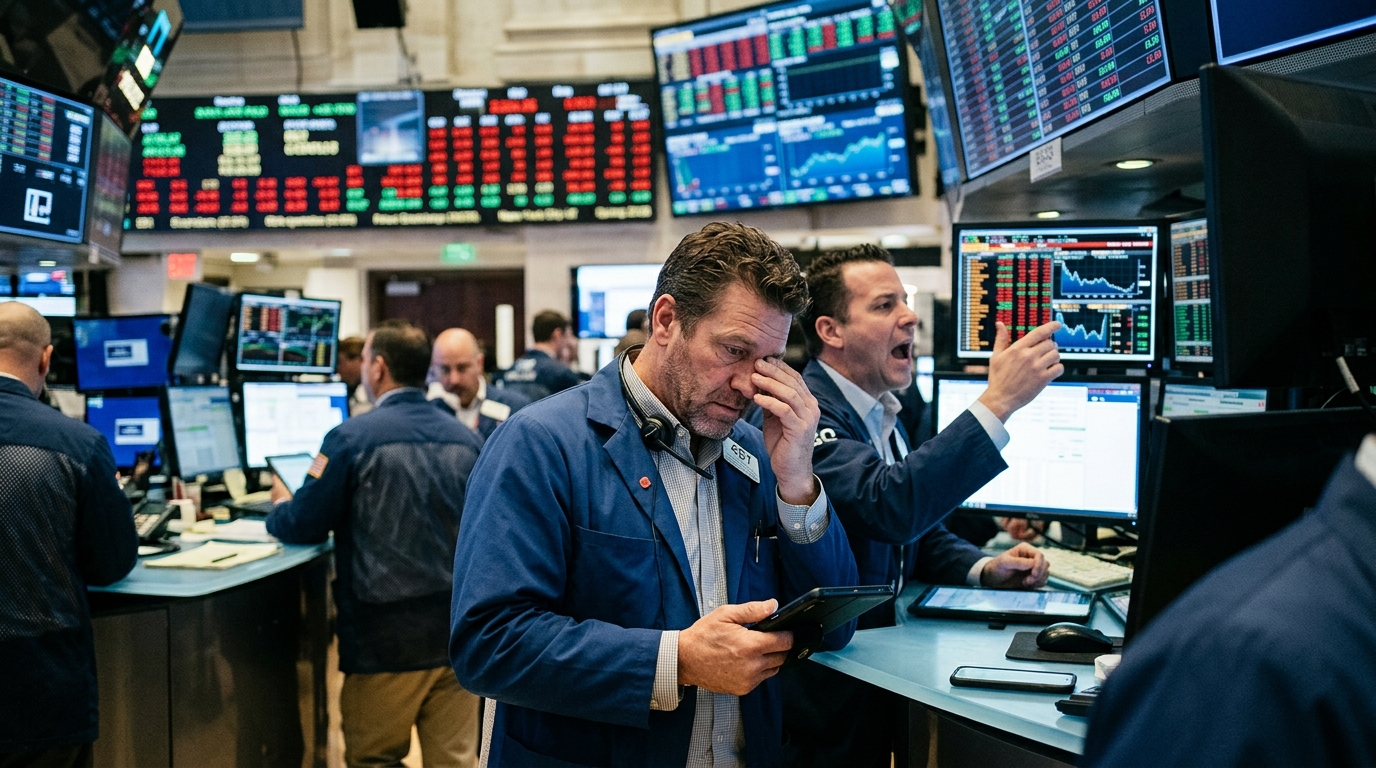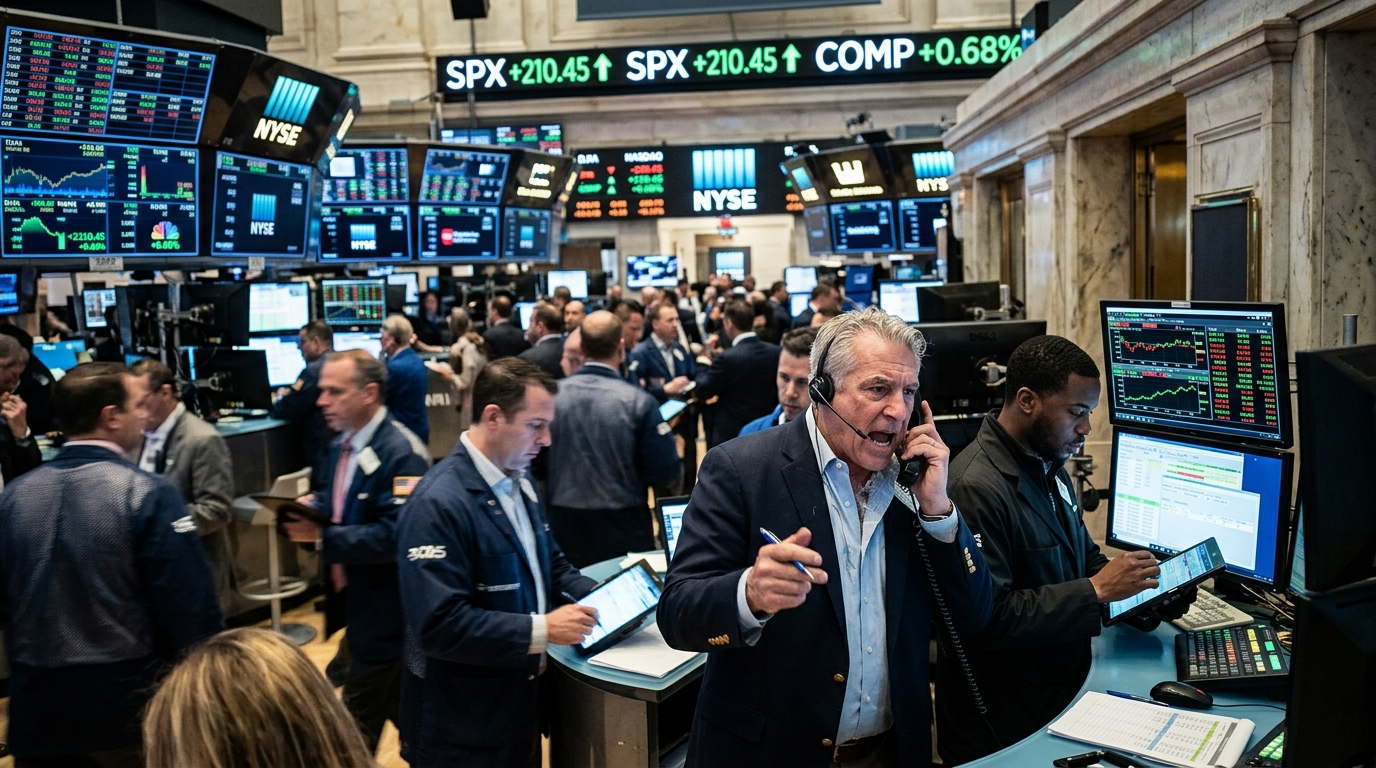
In an era where geopolitical uncertainty should, by historical tradition, send shivers of risk aversion through investors, Wall Street appears to be charting its own solitary path. On June 1, 2026, U.S. indices are on track for new all-time highs as the promise of Artificial Intelligence (AI) proves stronger than the fear of a generalized conflict between the U.S. and Iran. This marks a remarkable shift in market psychology, where technological progress is no longer viewed merely as a sector of the economy, but as the foundation of a new global order.
The AI Dominance Over Geopolitical Risk
A recent Reuters report confirms what many analysts have been whispering in the corridors of investment banks: AI is the "black swan" that no one expected, but with a positive sign. While threats of closing the Strait of Hormuz and cyberattacks between Washington and Tehran dominate the headlines, investors are focusing on the earnings announcements of semiconductor giants and cloud providers. The logic is as simple as it is cynical: the productivity gains promised by AI are so structural and long-term that they transcend short-term disruptions in energy prices.
Big Tech companies, the so-called "Magnificent Seven" which has now expanded, continue to show growth rates that defy gravity. The demand for computing power knows no borders and is unaffected by diplomatic deadlocks. On the contrary, some argue that defense spending linked to AI further bolsters the industry, creating a peculiar feedback loop where war, instead of suppressing the market, funds the next generation of technological weaponry and surveillance systems.
The Energy Puzzle and Economic Resilience
Traditionally, a crisis in the Persian Gulf would mean skyrocketing oil prices and an immediate stock market crash. However, in 2026, the global economy is less dependent on Middle Eastern crude than it was a decade ago. The shift toward renewable energy sources and increased domestic production in the U.S. has created a safety cushion. Furthermore, AI is helping optimize energy consumption, reducing operational costs for businesses even in an environment of high raw material prices.
- Brent oil prices show volatility but remain below the psychological threshold of $100.
- Investments in Data Centers reached unprecedented levels in the first half of 2026.
- The Federal Reserve seems to be maintaining a wait-and-see stance, as the deflationary impact of AI balances the inflationary pressures of war.
This "balance of terror" is what allows the S&P 500 and the Nasdaq to break one record after another. Fund managers fear "missing the AI train" (FOMO) more than they fear exposure to geopolitical risk. Liquidity remains high, and capital is seeking refuge in companies with strong balance sheets and leadership in the tech race.
Ethical and Strategic Questions
However, this Wall Street euphoria is not without risks. The decoupling of markets from the reality of conflict creates an ethical divide. While algorithms celebrate profits, humanity faces the possibility of a catastrophic war. Moreover, the concentration of power in a few AI companies creates systemic risks. A failure in a large language model or a cyberattack paralyzing AI infrastructure could cause far more damage than a localized conflict.
"The market is no longer a mirror of the world, but a projector of the future that investors desire," notes a leading Wall Street analyst.
In conclusion, the course of the markets in the summer of 2026 will depend on whether the "faith" in AI can withstand the pressure of reality. If U.S.-Iran tensions escalate into full-scale war, no technological innovation will be able to prevent a global economic recession. For now, however, silicon is beating oil, and hope for the future is triumphing over fear of the present.