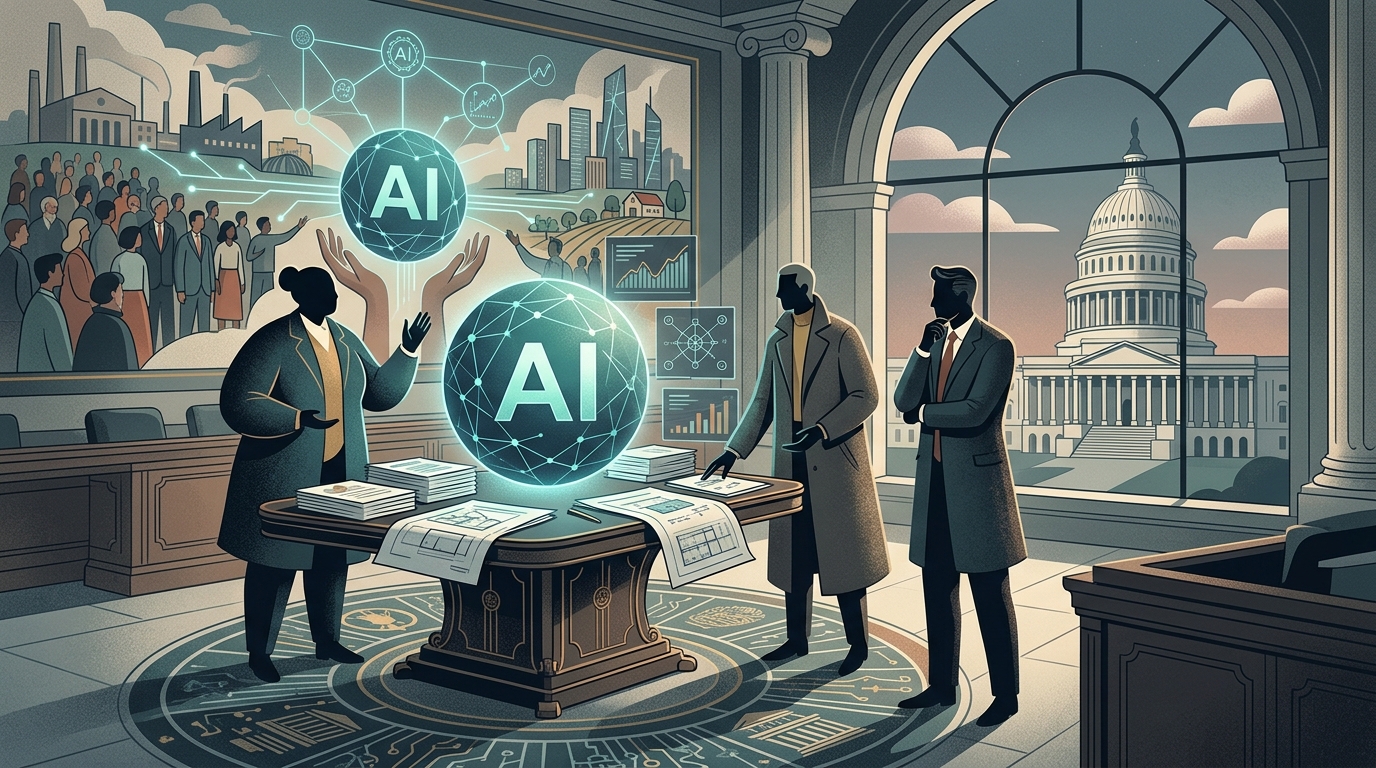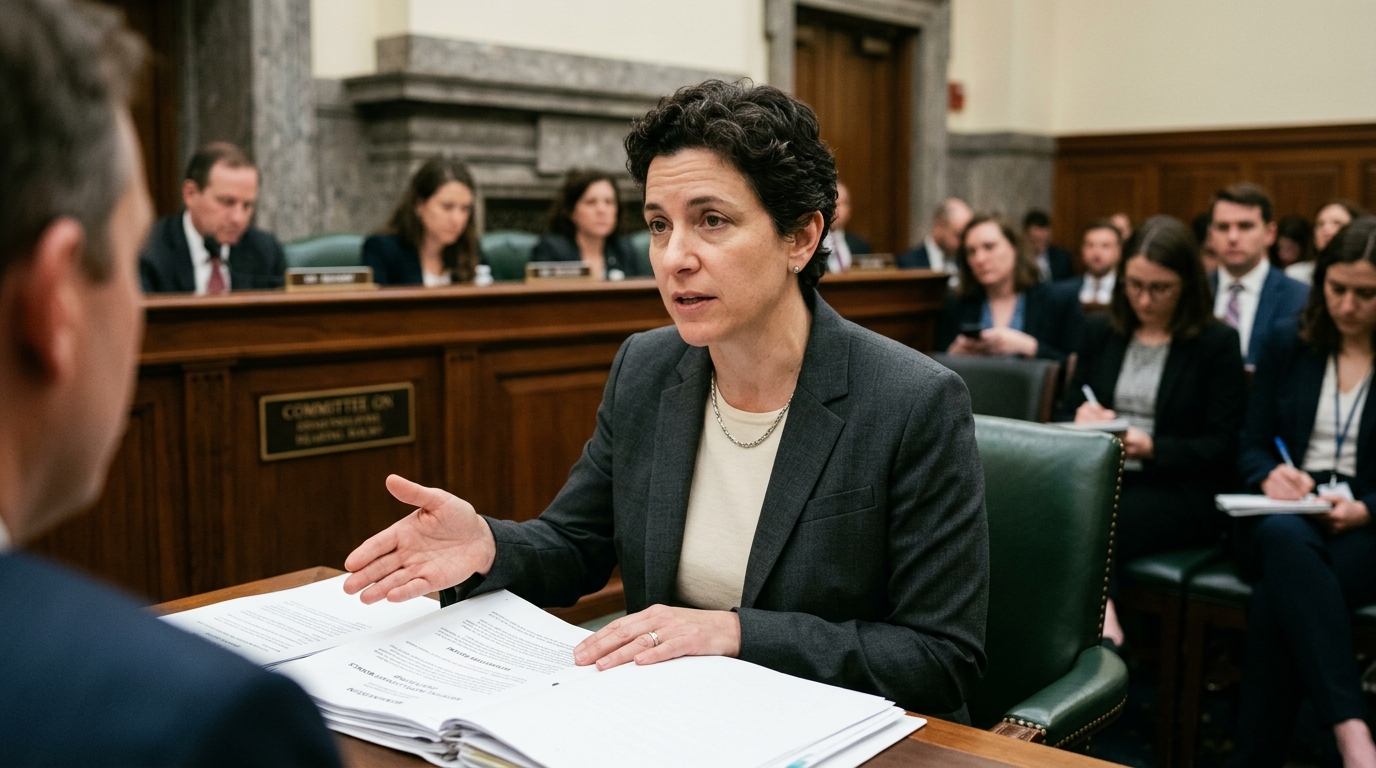
In a historic turning point for global technological governance, the U.S. Department of Commerce has announced an unprecedented agreement with the leading players in artificial intelligence—Google, Microsoft, and Elon Musk’s xAI—to conduct formal safety tests on their upcoming models. This move, implemented through the newly established U.S. AI Safety Institute, represents Washington's first substantive attempt to intervene in the AI development process before it reaches the general public.
The Transition from Voluntary Commitment to Oversight
For years, the tech industry operated under the mantra of "move fast and break things." However, the rapid evolution of Large Language Models (LLMs) and the potential emergence of existential risks have forced the U.S. administration to reconsider its stance. This new agreement is not merely a formal procedure; it allows government scientists to access models both before and after their training phases, examining critical areas such as cybersecurity, protection against the creation of biological weapons, and the prevention of systemic biases.
The Institute, which operates under the National Institute of Standards and Technology (NIST), will serve as an "independent arbiter." The participation of Microsoft and Google was expected, given their close ties with the government, but the inclusion of Elon Musk’s xAI caused a stir. Musk, who has repeatedly warned about the dangers of AI while simultaneously developing Grok, seems to accept the need for an external referee, despite his frequent clashes with regulatory bodies.
The Three Pillars of Testing
The tests to be conducted are not merely theoretical. The U.S. AI Safety Institute has developed a framework focused on three key axes:
- Cybersecurity Resilience: Testing whether models can be used to automate sophisticated hacking attacks or find vulnerabilities in national infrastructure.
- Biological and Chemical Risks: Assessing the models' ability to provide instructions for the manufacturing of dangerous substances or pathogens.
- Social Stability: Analyzing how models handle disinformation and whether they exhibit dangerous deviations that could fuel social tensions.
This approach differs from the European Union’s AI Act. While Europe chose a horizontal legislative path with strict fines, the U.S. prefers a model of "collaborative safety," focusing on technical evaluation and standards rather than the direct banning of functions.
Geopolitics and Competitiveness
This move also has a strong geopolitical flavor. Washington knows that excessive regulation could give China an edge. However, a lack of safety could lead to a catastrophe that would undermine American hegemony in the sector itself. Collaboration with the United Kingdom, which has its own equivalent Institute, shows an effort to create a "Western front" for safe AI.
"Safety is not a barrier to innovation, but its prerequisite," said a senior Department of Commerce official. "Without trust, the adoption of AI by businesses and the public will remain limited."
The question that remains is what happens if a model "fails" the tests. For now, the framework relies heavily on cooperation. However, if a company ignores the Institute's recommendations, the government may use the Defense Production Act to enforce compliance—a prospect that keeps Silicon Valley on high alert.