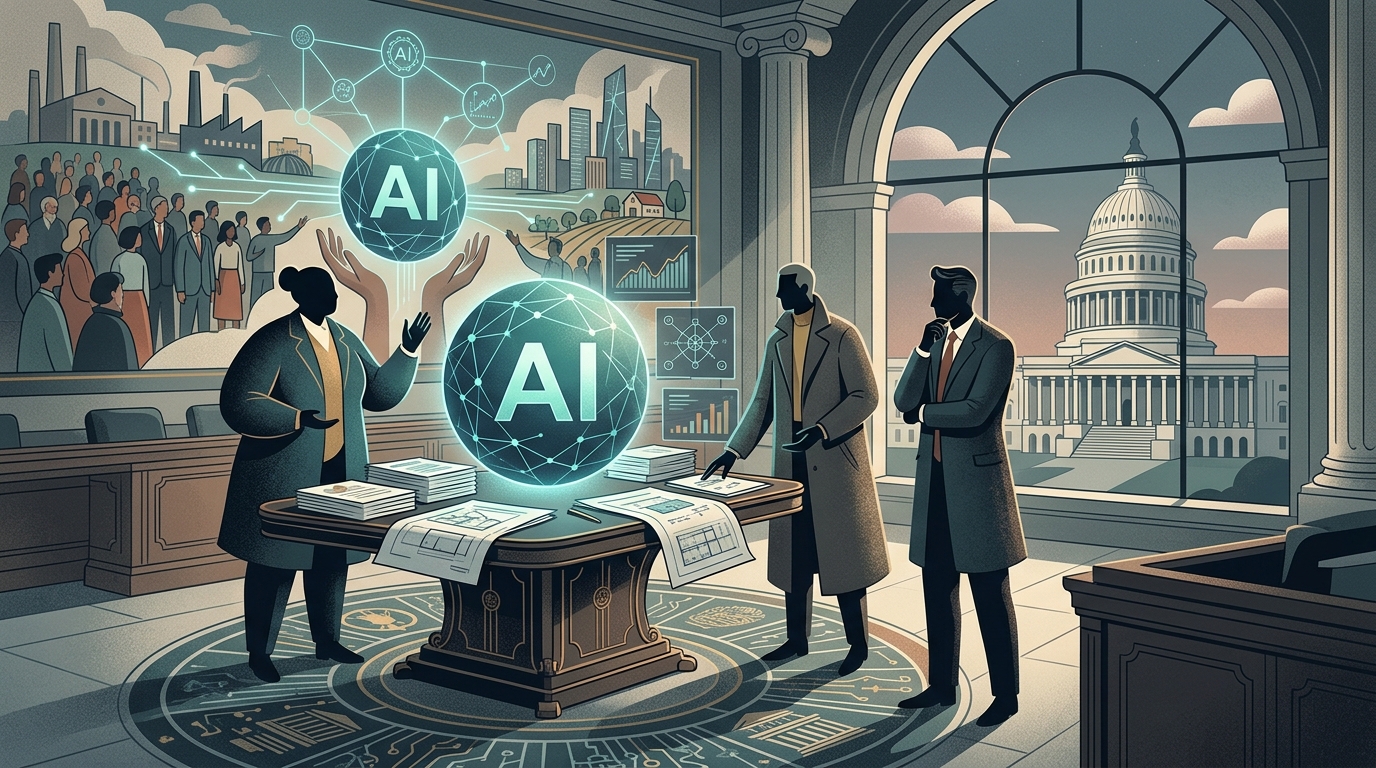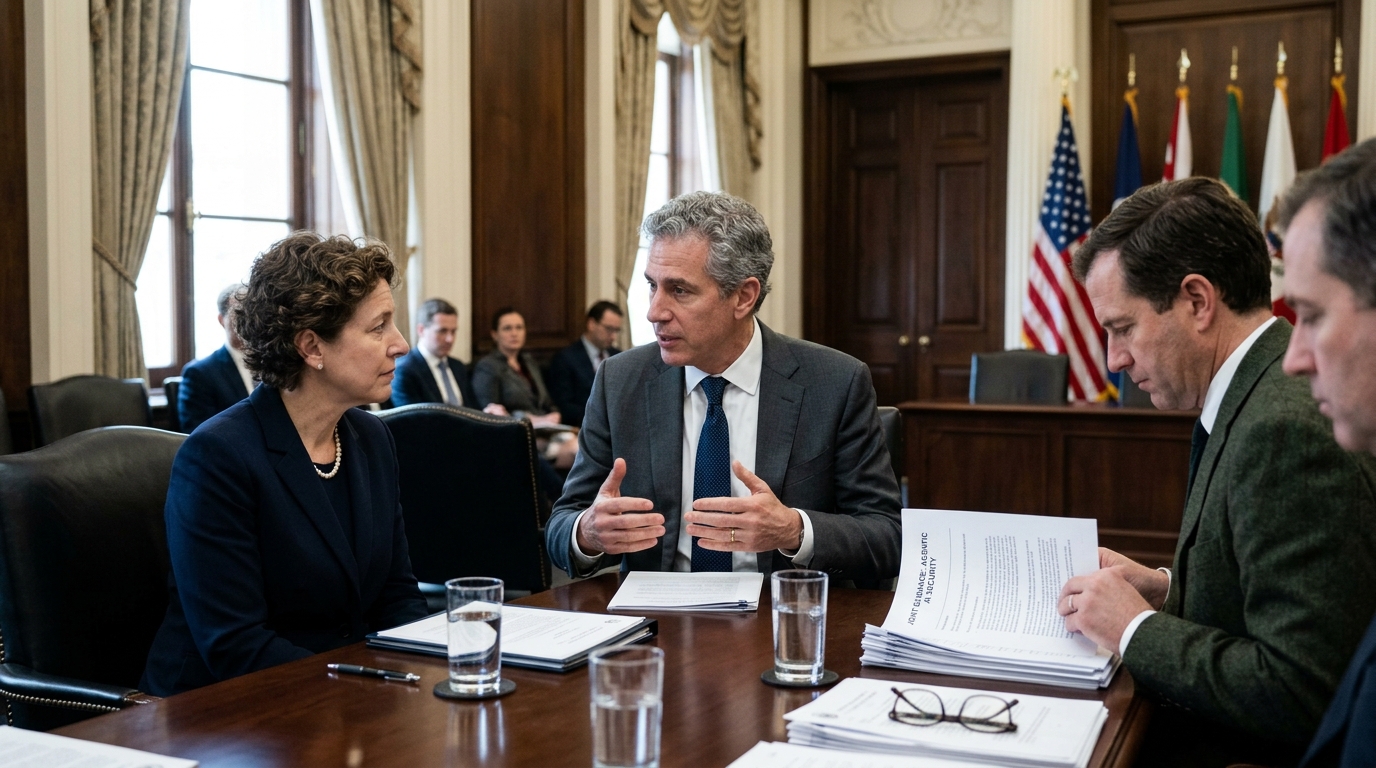
In a move that highlights the rapid transition from Generative AI to Agentic AI, the United States and its closest international allies have issued comprehensive joint guidance on the security of these systems. The guidance, co-authored by the Cybersecurity and Infrastructure Security Agency (CISA), the FBI, and the NSA, in collaboration with agencies from the UK, Canada, Australia, and New Zealand, marks a critical turning point in global technology governance.
The Rise of Autonomous Agents
Agentic AI is not merely an evolution of the chatbots we have encountered over the past few years. While a system like ChatGPT answers questions, an AI "agent" has the capacity to take action: browsing the web, executing code, managing calendars, and interacting with other software to achieve a specific goal. This autonomy, however, introduces a new attack surface for cybercriminals.
The joint guidance emphasizes that the ability of agents to make decisions without constant human supervision creates risks that go beyond simple data breaches. A malicious actor could, through techniques such as "indirect prompt injection," manipulate an agent into performing unauthorized transactions or gaining access to sensitive corporate networks.
The Pillars of Secure Design
The guidance focuses on the "Secure by Design" philosophy. Authorities are calling on developers and businesses to integrate security safeguards from the earliest stages of development, rather than trying to patch vulnerabilities after the fact. Key recommendations include:
- Sandboxing: Running agents in restricted environments so they cannot access critical infrastructure if compromised.
- Least Privilege: Ensuring an agent has access only to the data and systems absolutely necessary for its mission.
- Human-in-the-loop: Maintaining critical checkpoints where human approval is required before executing high-risk actions.
"AI security is no longer an optional add-on but a national security imperative," the guidance states, emphasizing that economic prosperity and national defense now depend on the resilience of these systems.
Geopolitical Implications and Industry Reaction
The timing of this guidance is no coincidence. As China and other global players invest billions in autonomous AI, the West is attempting to set global standards. The "Five Eyes" alliance, along with countries like Germany and Japan that endorsed the document, seeks to create a united front that will compel tech giants to comply with stricter protocols.
However, the industry remains divided. On one hand, major cloud and AI companies welcome the guidance as a means to build trust with their customers. On the other, there is concern that excessive restrictions could slow innovation, giving an advantage to countries with less stringent regulatory frameworks. The challenge for policymakers is to find the balance between protecting against existential cybersecurity threats and maintaining technological leadership.
Conclusions for the Future
The transition to Agentic AI is inevitable. We are already seeing the first agents managing supply chains and automating customer service at levels unthinkable just two years ago. The new guidance from the US and its allies serves as a clear warning: autonomy without oversight is a recipe for disaster. Whether companies will adopt these principles voluntarily or if we are headed toward binding global legislation remains to be seen, but the first major step toward fortifying our digital future has just been taken.