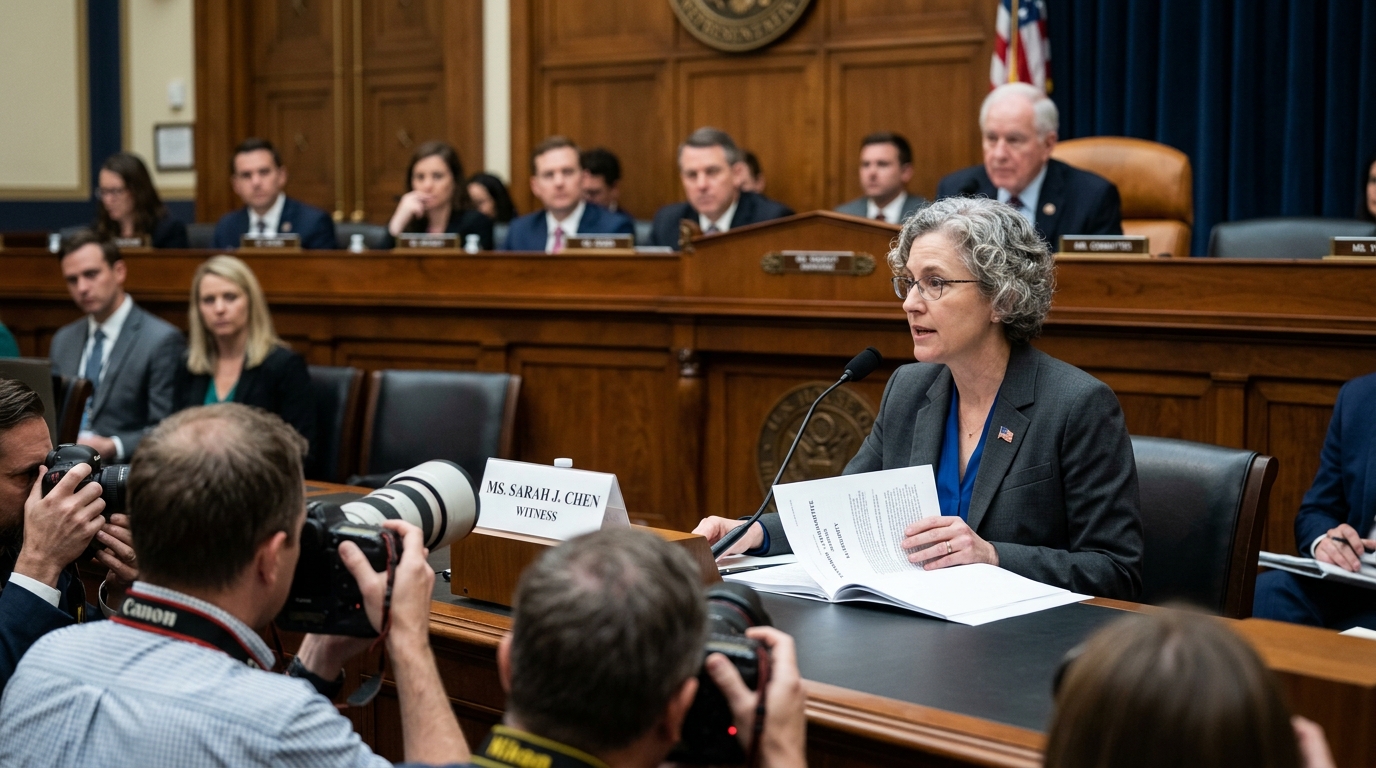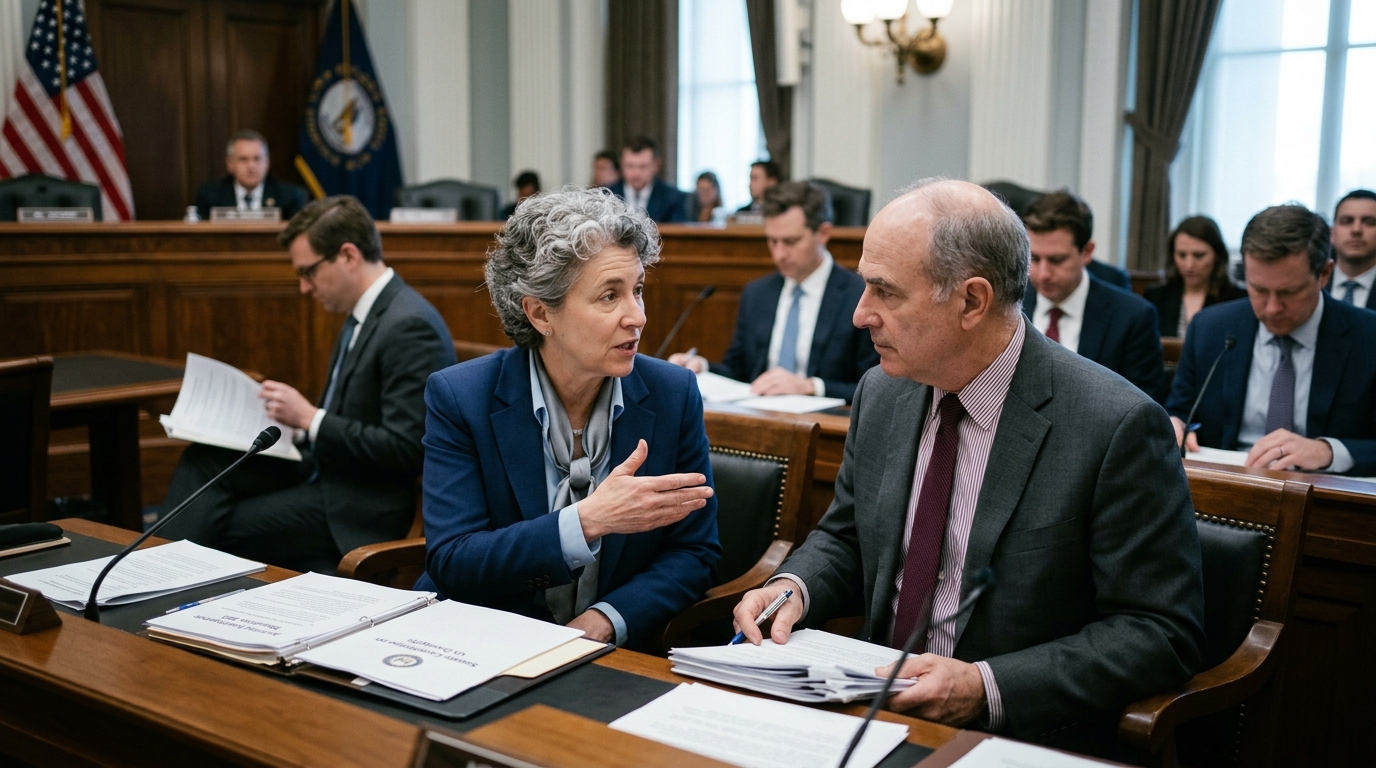
In the hallowed halls of Washington D.C., the atmosphere increasingly mirrors historic moments when humanity was tasked with taming nuclear energy or the early internet. Today, May 2, 2026, U.S. Senators are grappling with a landmark bill that aims to set the rules of engagement for Artificial Intelligence (AI)—a technology no longer viewed as a futuristic promise, but as a daily reality with profound geopolitical and social implications.
The Architecture of the New Legislation
The proposed bill is far from a simple list of prohibitions. It is a multi-layered framework focusing on "responsible innovation." Its core pillars include mandatory transparency for algorithms affecting public services, strict labeling of AI-generated content, and, most crucially, the establishment of a risk-assessment system for so-called "frontier models." These models, which exceed the power of anything previously seen, would be required to undergo rigorous safety testing before being released to the public.
Proponents of the bill argue that without government intervention, the risks to national security and social cohesion are existential. "We cannot leave the future of our democracy in the hands of a few tech titans without any accountability," stated a member of the Senate Judiciary Committee. Concerns regarding the use of AI in creating biological weapons or executing large-scale cyberattacks have, surprisingly, united lawmakers from across the political spectrum.
The Innovation Paradox and Global Competition
However, the debate in the Senate is far from one-sided. A powerful group of senators expresses fears that excessive regulation could stifle innovation, handing a strategic advantage to adversaries like China. The argument is clear: if the U.S. imposes overly stringent restrictions, talent and capital will migrate to jurisdictions with more permissive frameworks. This "geopolitical paradox" remains the primary obstacle to achieving a bipartisan consensus.
- Protecting creators' intellectual property from unauthorized AI model training.
- Ensuring the privacy and integrity of citizens' personal data.
- Preventing algorithmic bias in critical sectors like employment and housing.
- Strengthening national defense through the integration of secure AI systems.
Particular emphasis is being placed on small and medium-sized enterprises (SMEs). There is a palpable fear that the cost of compliance with new regulations will be so high that only Big Tech giants will be able to afford it, leading to an informal monopoly over the AI market. To counter this, the bill proposes the creation of a "National Research Cloud," providing access to data and compute resources for independent researchers and startups.
The Social Dimension and Public Trust
Beyond the numbers and algorithms, the debate is fundamentally about people. Senators are under pressure from civil rights organizations demanding explicit safeguards against Deepfakes, especially in a year marked by critical global elections. The ability to distort reality with such precision threatens the very fabric of truth upon which our society is built.
"Technology is a tool, but legislation is the compass that ensures this tool does not turn against its creator," noted one of the bill's primary sponsors.
In conclusion, the battle in the Senate is not merely a political dispute; it is an existential quest to determine how humanity will coexist with an intelligence that surpasses it in speed and data processing power. The outcome of this vote will define the trajectory of technological evolution for the next decade, setting a global precedent that Europe and Asia are watching with bated breath.