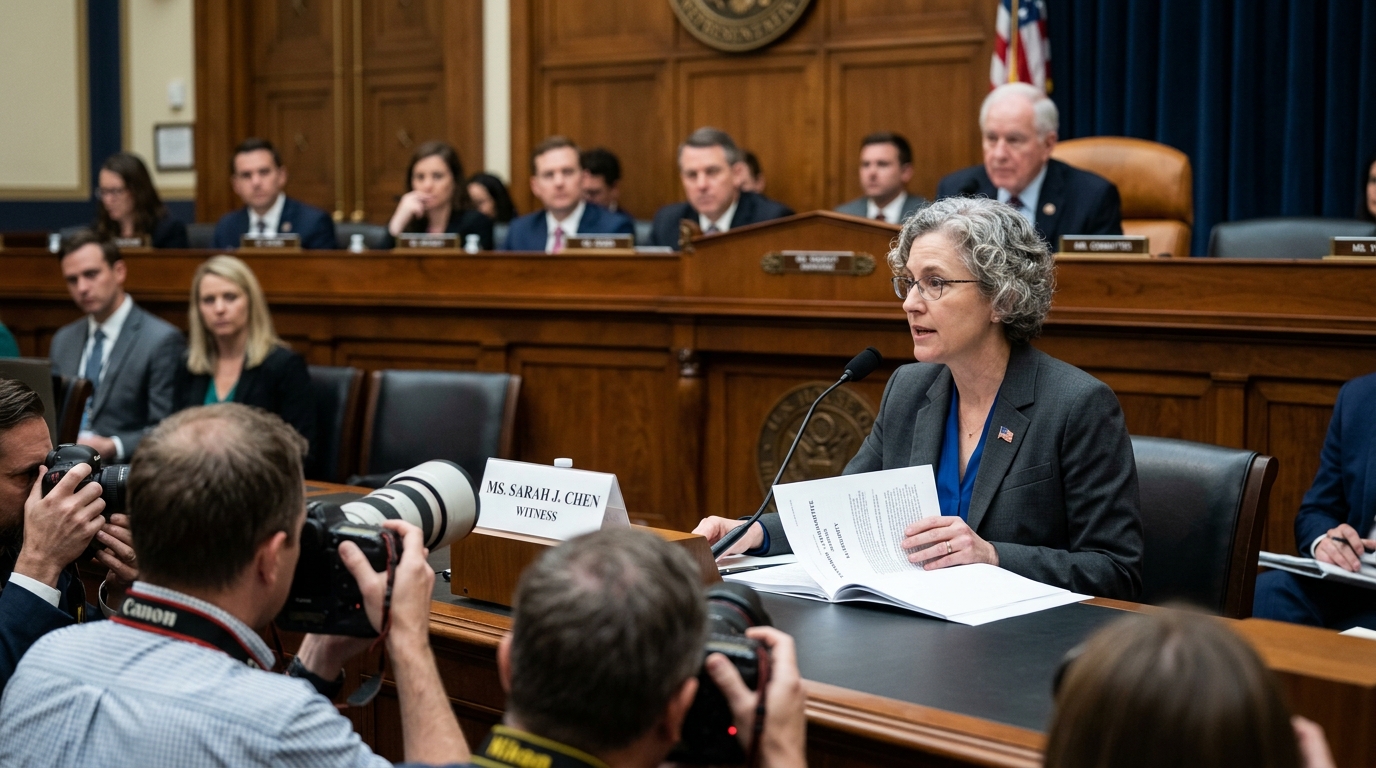
The era when organizations had the luxury of weeks or even months to fortify their systems against known vulnerabilities is coming to an end. According to exclusive reports from Reuters, the United States government is in advanced discussions to drastically reduce the deadlines imposed on federal agencies and critical infrastructure providers for software patching. The catalyst for this urgent shift is the rapid evolution of Artificial Intelligence, which now enables attackers to identify and exploit security flaws with a speed that far outpaces human reaction times.
The Shrinking Window of Exposure
In the world of cybersecurity, the period between the public disclosure of a vulnerability and the application of a corrective update is known as the "window of exposure." Until now, the US Cybersecurity and Infrastructure Security Agency (CISA) has typically required agencies to fix critical bugs within 15 to 30 days. However, sources familiar with the matter indicate that new proposals aim to slash this time to just a few days, or even hours for the most perilous cases.
Officials' concerns stem from the use of Large Language Models (LLMs) by state actors and criminal syndicates. These tools can analyze the code of a security update (reverse engineering) almost instantaneously, revealing the exact nature of the flaw the company is trying to fix. Subsequently, AI can automatically generate exploit code, allowing hackers to strike systems that have not yet had the chance to update.
AI as a Power Multiplier for Hackers
Artificial Intelligence acts as a formidable power multiplier. In the past, creating a reliable exploit required deep knowledge and significant time from skilled developers. Today, automation allows even less-capable actors to conduct high-level attacks. The speed at which an "N-day" vulnerability (a known flaw for which a patch exists) is converted into an active threat has decreased dramatically.
"We are no longer just fighting humans; we are fighting algorithms that never sleep," said a senior security official. The US is particularly wary of the capabilities of nations like China and Russia, which are investing heavily in AI-driven cyber warfare systems. The logic is simple: if the attack happens in seconds, the defense cannot wait weeks.
Operational Challenges and the Risk of Instability
However, enforcing stricter deadlines is not without risks. Chief Information Officers (CIOs) warn that rushed patching can lead to system instability. Often, software updates cause conflicts with other programs, resulting in outages for critical services. A requirement to patch within 48 hours, for instance, could force IT teams to bypass necessary compatibility testing.
Furthermore, there is the issue of resources. Smaller agencies and companies managing infrastructure (such as power grids or water systems) often lack the personnel required for such a rapid response. The pressure for "immediate action" could lead to employee burnout and human error, which in turn creates new security holes.
The Geopolitical Chessboard and the Future of Defense
This move by the US is expected to influence global cybersecurity standards. If Washington adopts these stringent timelines, it is almost certain that the European Union and other Western powers will follow suit. Already, the EU's Cyber Resilience Act is moving toward stricter accountability for software manufacturers.
Ultimately, the battle for cyberspace dominance is turning into a race of AI versus AI. The US is also exploring the use of its own AI tools to automate defense and patch deployment in an attempt to offset the attacker's advantage. The question remains: can the bureaucracy and infrastructure of government agencies keep pace with the exponential speed of technological evolution?
- CISA is considering cutting patching deadlines from 15-30 days to much shorter windows.
- AI enables rapid reverse engineering of patches to create exploits.
- There is significant fear regarding the digital security of critical infrastructure.
- IT teams warn of the risk of systemic crashes due to rushed updates.