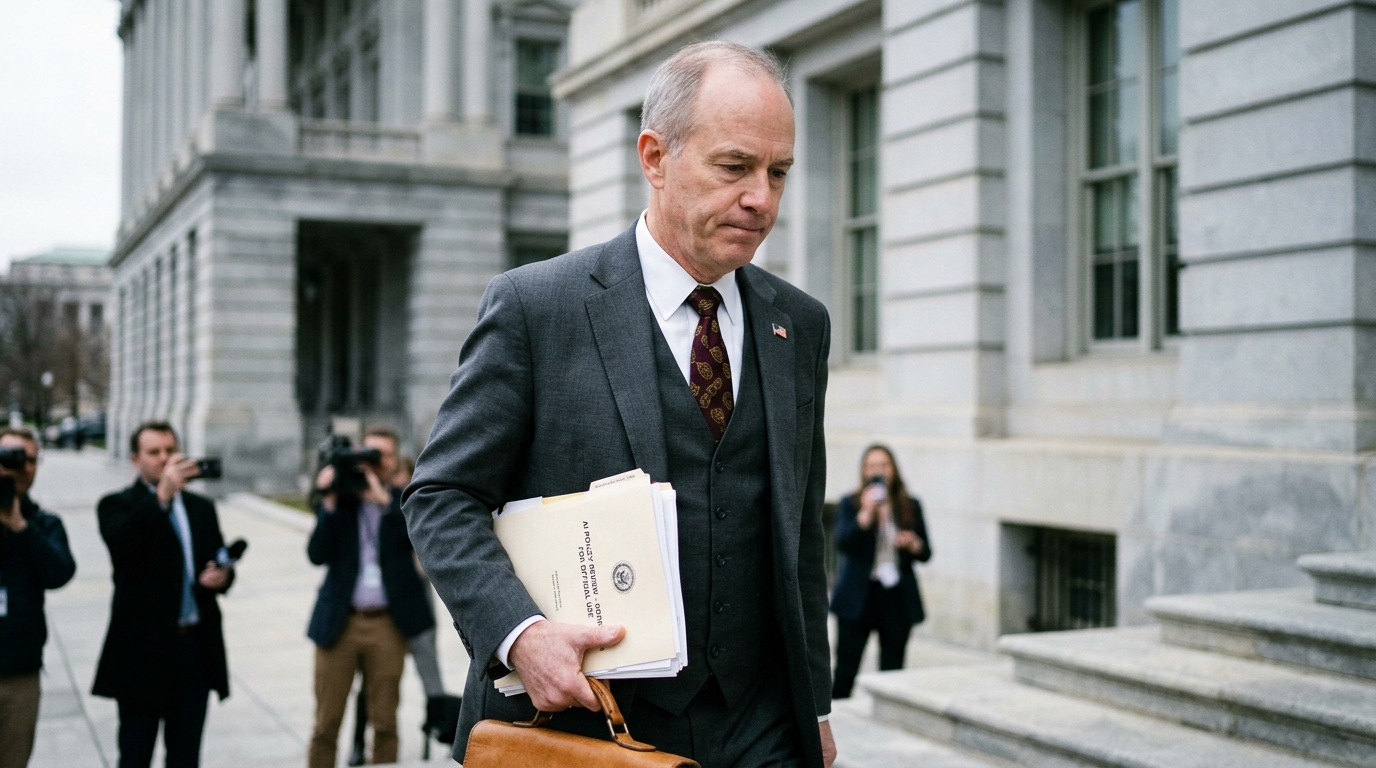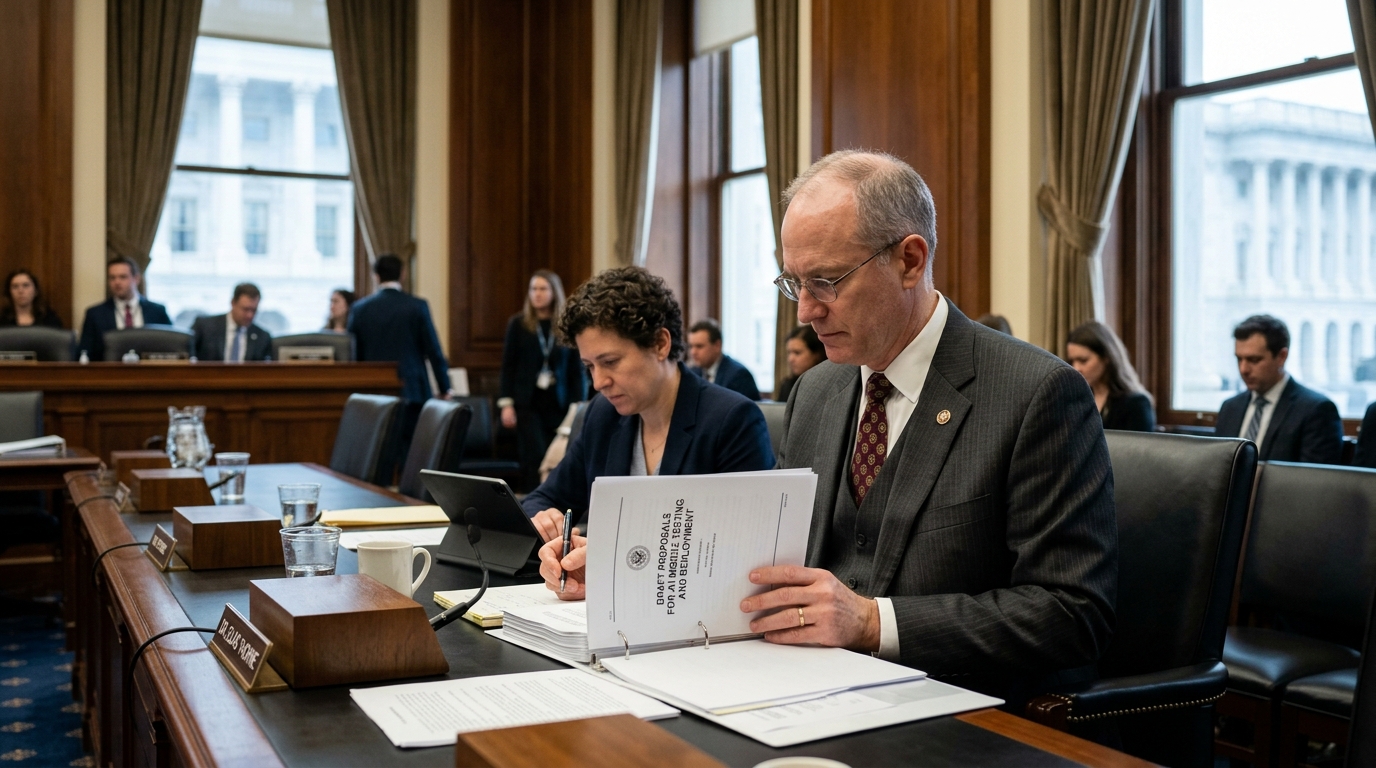
The era of "move fast and break things" is officially giving way to a new, more calculated reality for artificial intelligence. In a move described as a landmark for US technology policy, the US AI Safety Institute (US AISI), housed within NIST, has formally commenced safety testing for so-called "frontier models"—the cutting-edge systems set to be released by industry leaders like OpenAI and Anthropic.
This development is not merely a bureaucratic milestone; it is the concrete realization of the Biden-Harris Executive Order on Safe, Secure, and Trustworthy AI. For the first time, government scientists will have the opportunity to "look under the hood" of the world’s most powerful AI systems before they are deployed to the general public or enterprise clients. This agreement, while technically voluntary, exerts a de facto regulatory pressure that shifts the balance in the global race for digital supremacy.
The Architecture of Oversight and the NIST Framework
The US AISI does not function as a traditional regulatory body with police powers, but rather as a scientific organization dedicated to risk assessment. Testing focuses on four critical domains: cybersecurity, chemical, biological, radiological, and nuclear (CBRN) threats, the models' capacity for autonomous deception, and their potential to incite mass societal disruption through disinformation. The process involves intensive "red-teaming," where experts attempt to force the model to bypass its internal safeguards or provide hazardous information.
A lingering question remains regarding the efficacy of these evaluations. Critics point out that AI technology evolves at a pace that government institutions often struggle to match. However, collaboration with NIST provides these companies with a "seal of approval," which is increasingly vital for maintaining investor and user confidence in a market that is becoming wary of the existential risks associated with advanced AI.
Geopolitical Competition and International Standards
The US initiative does not exist in a vacuum. It closely follows the lead of the United Kingdom, which established the world's first AI Safety Institute. The close collaboration between these two nations suggests the formation of a "Western front" for AI safety, aimed at setting global standards before China or other actors can impose their own governance models. The ability of the US to vet models prior to release is also seen as a critical national security tool, ensuring that American technology is not inadvertently used to bolster the capabilities of strategic adversaries.
"Safety is not an obstacle to innovation, but the prerequisite for its survival," stated a senior Department of Commerce official.
This approach reflects a profound shift in Silicon Valley’s philosophy. While state intervention was once met with hostility, leaders like OpenAI’s Sam Altman are now actively calling for regulation—partly to mitigate the risk of a catastrophic failure that could lead to a total ban on the technology.
Challenges of Transparency and Regulatory Capture
Despite the optimism, significant concerns persist regarding "regulatory capture." If the companies being regulated are the ones providing the tools and expertise to the regulators, there is a risk that the testing could become performative. Furthermore, the opaque nature of these tests—protected by trade secret laws—means the public must trust the government’s verdict without having access to the underlying data.
Civil society and academia are pushing for greater transparency, arguing that AI safety is too critical to be left solely to private negotiations between the state and Big Tech. Striking the balance between protecting intellectual property and ensuring the public good will be the defining challenge of the coming years as models become increasingly capable and, potentially, more dangerous.