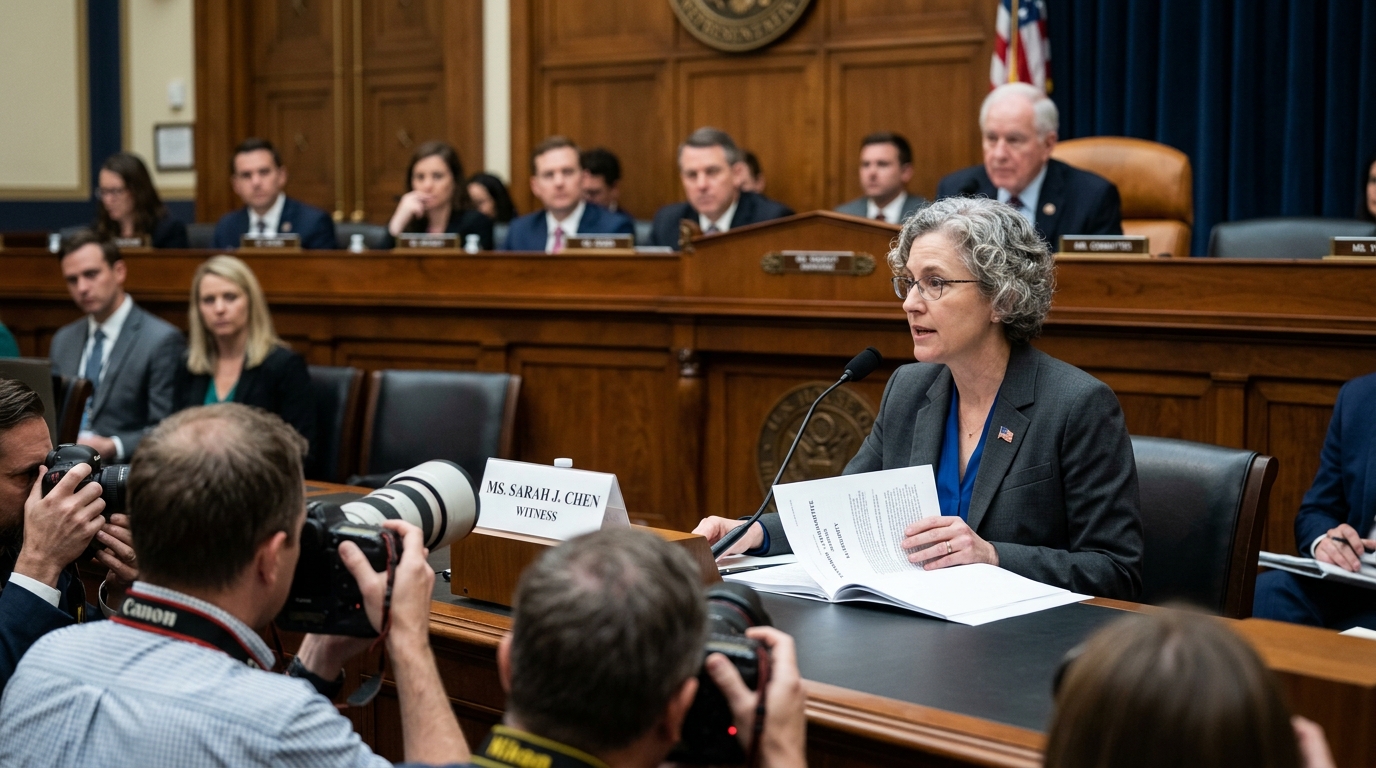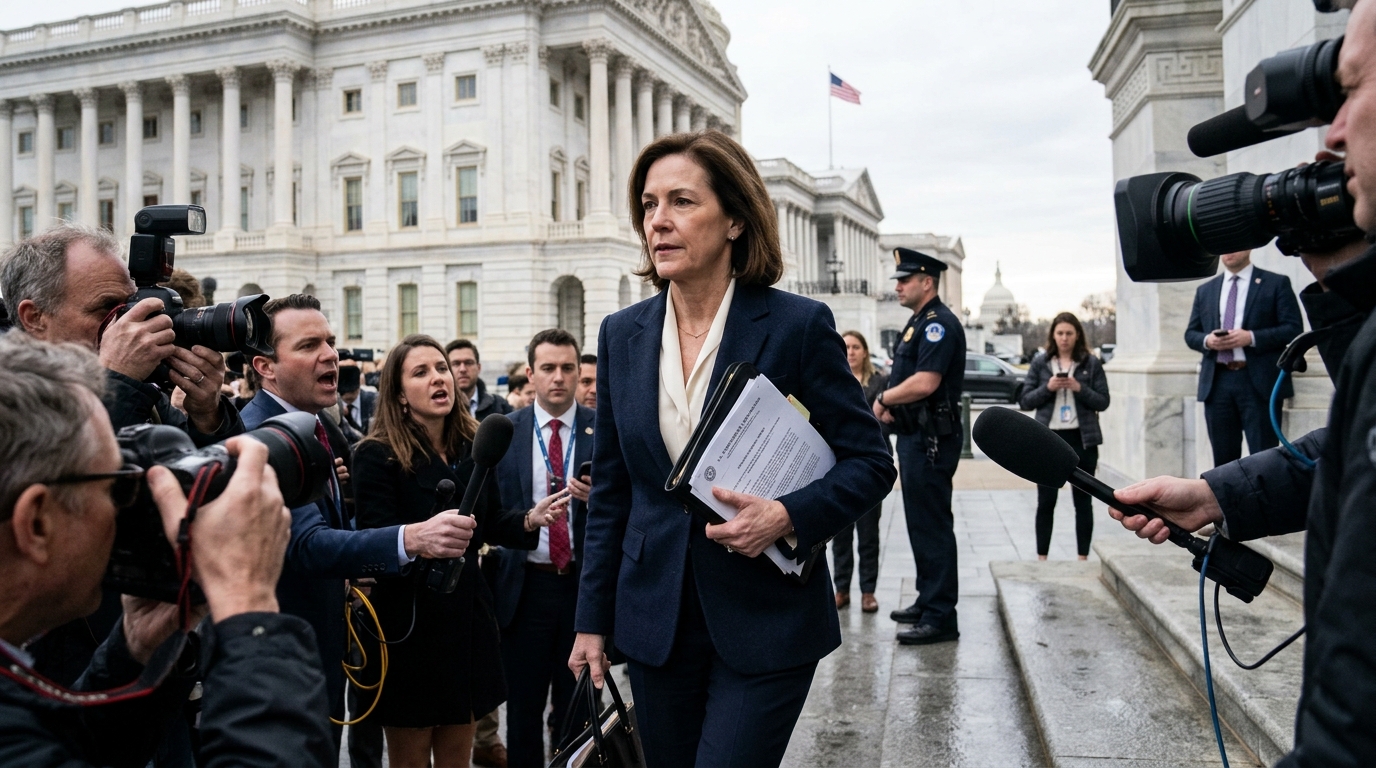
In the corridors of Washington, where political power meets technological supremacy, a resignation is never just a personal decision. The recent departure of one of the U.S. government's top Artificial Intelligence (AI) advisors marks a critical turning point in the nation's effort to harness—or accelerate—the development of autonomous systems. The news, which initially circulated in tight Silicon Valley circles and was confirmed by SBC TV, opens a new cycle of speculation about who truly holds the reins of regulatory policy in the world's most powerful economy.
The Policy of the 'Revolving Door'
The 'revolving door' phenomenon, where officials move from public office to lucrative positions in the private sector, is not new. However, in the case of Artificial Intelligence, the stakes are unprecedented. The departure of advisors from the Office of Science and Technology Policy (OSTP) or the newly formed U.S. AI Safety Institute to tech giants raises serious questions about 'regulatory capture.' When the people designing the rules of the game jump to the companies required to comply with them, the line between public interest and corporate profit becomes dangerously blurred.
Analysts point out that this movement reflects a deeper talent crisis. The federal government struggles to compete with the compensation packages and computational power offered by companies like OpenAI, Google, and Anthropic. As a result, public administration risks being left with an 'empty quiver' against technologies evolving at exponential rates, while former advisors leverage their insider knowledge to help their new employers navigate the legislative landscape.
National Security and the Competition with China
Beyond the ethical and deontological aspects, this resignation is also interpreted through the lens of geopolitical competition. Artificial Intelligence is no longer just a productivity tool; it is the foundation of future military and economic power. In Washington, the conversation has shifted from 'safety' to 'sovereignty.' The departure of officials who advocated for stricter controls and transparency may signal a pivot toward a more aggressive 'accelerationist' policy, aimed at maintaining the lead over China.
- The need for rapid development of military AI applications.
- Pressure from the Pentagon for less bureaucracy in licensing.
- Influence from venture capital firms calling for 'deregulation' to stimulate innovation.
As noted in recent reports, internal conflict within the government between national security 'hawks' and AI ethics advocates has led to resignations that are reshaping the balance of power. The removal of voices prioritizing existential risks or algorithmic bias leaves the field open for those who view AI exclusively as a weapon in the new technological Cold War.
The Future of Regulatory Oversight
This resignation coincides with a period of intense legislative activity. The President's Executive Order on AI and Congress's efforts to establish a data protection framework are at a critical juncture. The loss of experienced advisors could delay the implementation of these measures or, worse, lead to 'watered-down' provisions that serve industry interests.
"The departure of an advisor is just the tip of the iceberg. The real issue is whether democracy can keep up with the speed of silicon," says a prominent tech policy analyst.
In conclusion, the changing of the guard in Washington is not a simple administrative change. It is an indication that the control of Artificial Intelligence is passing from the hands of academics and idealists into the hands of strategists and market executives. For the rest of the world, and especially for Europe following its own path with the AI Act, developments in the US are a harbinger of the challenges to come: the battle for the soul of Artificial Intelligence is now a battle of pure influence.