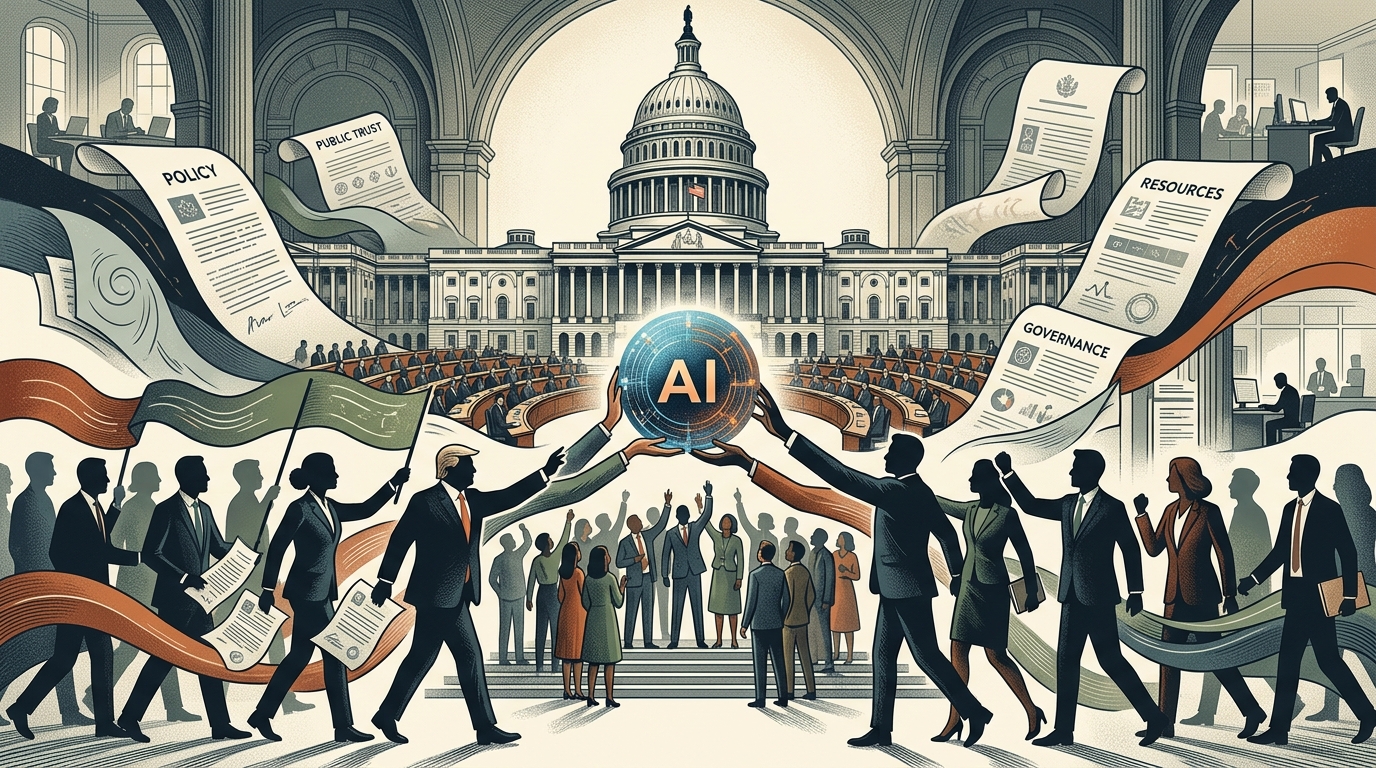
The meteoric rise of Artificial Intelligence (AI) is often portrayed as an intangible revolution—a world of algorithms residing in the 'cloud.' However, a revelatory new report from the United Nations Conference on Trade and Development (UNCTAD) reminds the global community that AI has a heavy, physical footprint. According to the UN, the surging demand for computing power is driving an unprecedented consumption of natural resources, jeopardizing Sustainable Development Goals.
The Thirst of Data Centers: The Liquid Cost of AI
One of the most alarming findings in the report concerns water consumption. Data centers, the 'temples' of the digital age, require vast amounts of water to cool their heat-intensive servers. UNCTAD points out that training a single large language model, such as GPT-4, can consume millions of liters of water, often in regions already grappling with water scarcity. The irony is stark: while AI is touted as a tool for climate modeling and water management, its very operation exacerbates the crisis.
- Microsoft's water consumption spiked by 34% in a single year, reaching 6.4 billion liters.
- Google reported a similar 20% increase, directly linking the surge to AI requirements.
- Many data centers are located in the Global South, where access to potable water is already a critical issue.
Energy Voracity and the Carbon Footprint
Electricity consumption represents the second major front. AI demands high-performance GPUs that consume exponentially more energy than traditional computing processes. The UN warns that if current trends persist, energy consumption from data centers could double by 2026, reaching levels comparable to the total consumption of nations like Japan or Germany. Despite 'net-zero' pledges from tech giants, the reality shows that AI demand is forcing some regions to maintain or even restart fossil-fuel power plants to keep the grids stable.
"We cannot allow the digital transition to become the enemy of the green transition. Artificial intelligence must serve humanity and the planet, not deplete them," the report states.
Mineral Extraction and Digital Colonialism
Beyond energy and water, the report focuses on the necessity for critical minerals such as lithium, cobalt, and copper, essential for manufacturing AI hardware. The extraction of these resources is frequently accompanied by environmental degradation and labor exploitation in developing nations. The UN warns of a risk of 'digital colonialism,' where wealthy nations reap the benefits of AI while poorer countries bear the environmental and social costs of its production.
The Urge for Global Regulation
UNCTAD calls for a new global approach to AI governance, including strict transparency standards for resource consumption. It suggests implementing 'environmental taxes' on tech companies and promoting 'Green AI'—an approach that prioritizes energy efficiency over raw computational power. The challenge for 2026 and beyond will be balancing innovation with physical survival, ensuring that artificial intelligence does not consume the very future it promises to enhance.