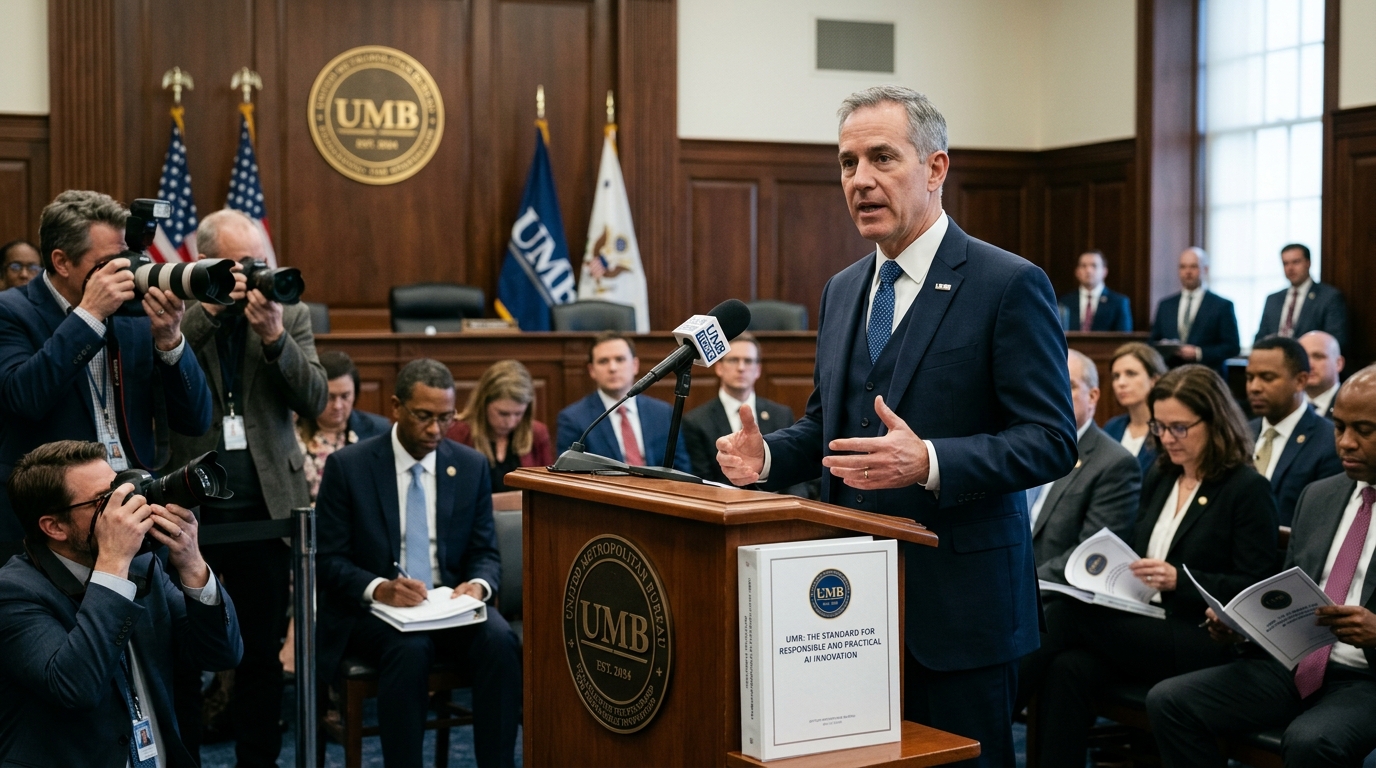
In an era where Artificial Intelligence (AI) is often portrayed as either a panacea or an existential threat, the University of Maryland, Baltimore (UMB) has chosen a different, more grounded path. With the official announcement of the "AI at UMB" hub, the institution positions itself at the vanguard of "responsible and practical" technology use, focusing not on speculative innovation, but on improving the human condition through science and legal ethics.
This initiative is not merely an academic exercise; it is a necessary response to the rapid penetration of algorithms into critical sectors such as medical diagnosis, judicial reasoning, and social welfare. UMB, home to some of the leading schools of Medicine, Law, and Social Work in the United States, recognizes that AI cannot operate in a value vacuum. The "practical" dimension of the initiative concerns the deployment of tools that solve real-world problems, while the "responsible" dimension ensures these tools do not replicate biases or violate citizen privacy.
Ethics in Practice: Beyond Theoretical Declarations
One of the primary concerns haunting the global community is the lack of transparency in AI systems—the so-called "black box" problem. UMB seeks to bridge this gap by creating evaluation frameworks that allow healthcare professionals and legal experts to understand the "why" behind an algorithmic recommendation. At the UMB School of Medicine, for instance, research is focused on developing models that help clinicians predict patient complications while maintaining the human physician as the ultimate decision-maker.
Responsibility at UMB also means tackling "algorithmic bias." It is well-documented that many AI systems have been trained on data that underrepresents minorities, leading to misdiagnoses or unfair legal outcomes. The new UMB hub prioritizes auditing algorithms for bias before they are deployed in real-world settings. This approach is particularly critical for the city of Baltimore, a region with significant social disparities, where technology can either heal wounds or deepen them.
Interdisciplinary Collaboration: The Key to Success
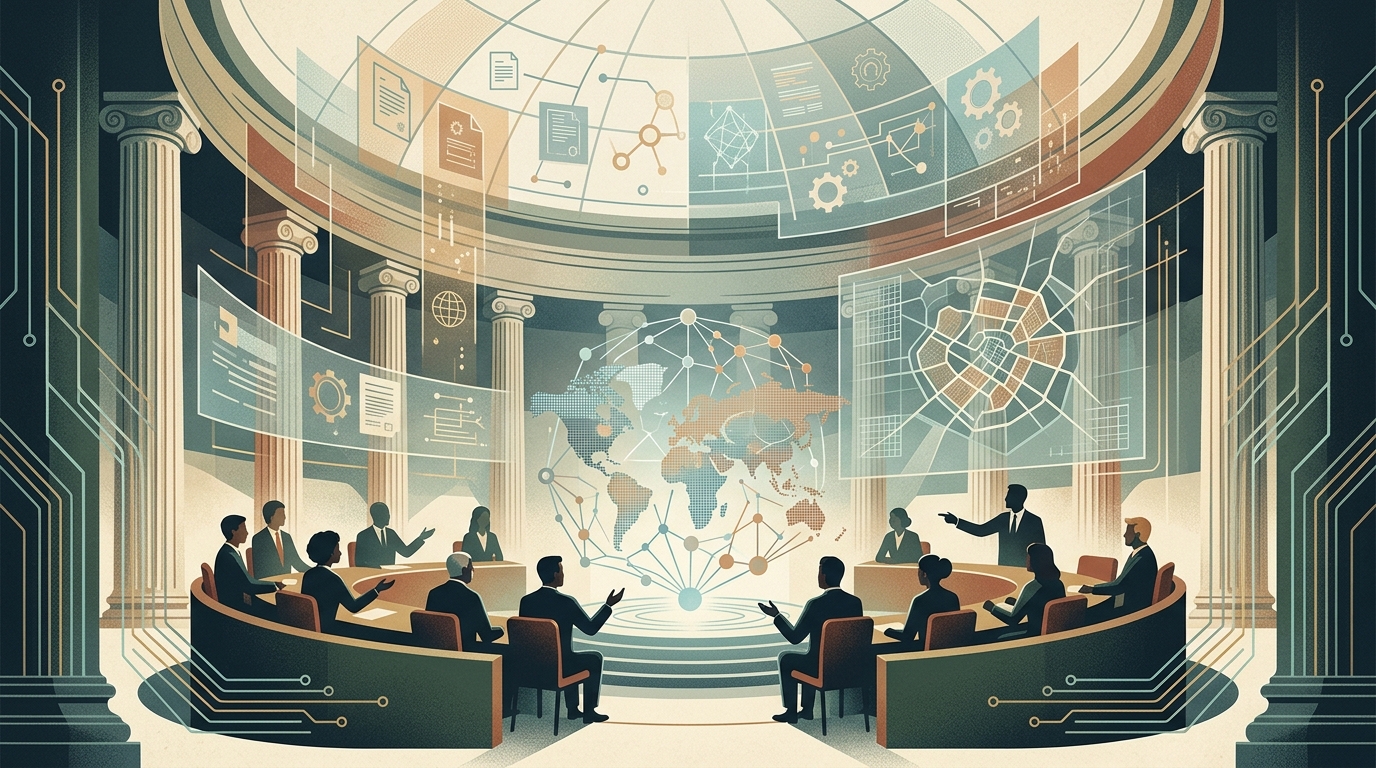
UMB's comparative advantage lies in its interdisciplinary nature. Artificial Intelligence is no longer a matter solely for computer scientists. It requires the input of lawyers to regulate liability, ethicists to draw boundaries, and social workers to understand the human impact. The AI at UMB hub acts as the connective tissue between these diverse schools.
- Francis King Carey School of Law: Focuses on AI regulation, intellectual property, and the implications of automated decision-making on civil rights.
- School of Medicine: Applies AI in personalized medicine and big data analysis for drug discovery.
- School of Social Work: Examines how AI can help identify vulnerable populations without compromising their dignity.
This holistic approach ensures that technology is not developed in isolation but as an organic part of the social fabric. UMB is not just trying to keep up with developments; it is striving to define what academic contribution should look like in the digital age.
Education and the Workforce of Tomorrow
Beyond research, the hub places immense emphasis on education. The labor market is shifting rapidly, and UMB graduates—whether they are nurses, lawyers, or pharmacists—must be "AI-literate." This does not mean everyone must become a coder, but they must possess the critical thinking skills to evaluate the AI tools they will encounter in their professional lives.
UMB is developing new curricula and seminars that teach human-machine interaction. The philosophy is clear: AI should augment human capability, not replace it. In a world flooded with automation, the ability to use technology with an ethical conscience will be the most important skill of the 21st century. UMB, through this initiative, is leading the way in showing how universities can remain relevant and leading forces in a time of radical change.