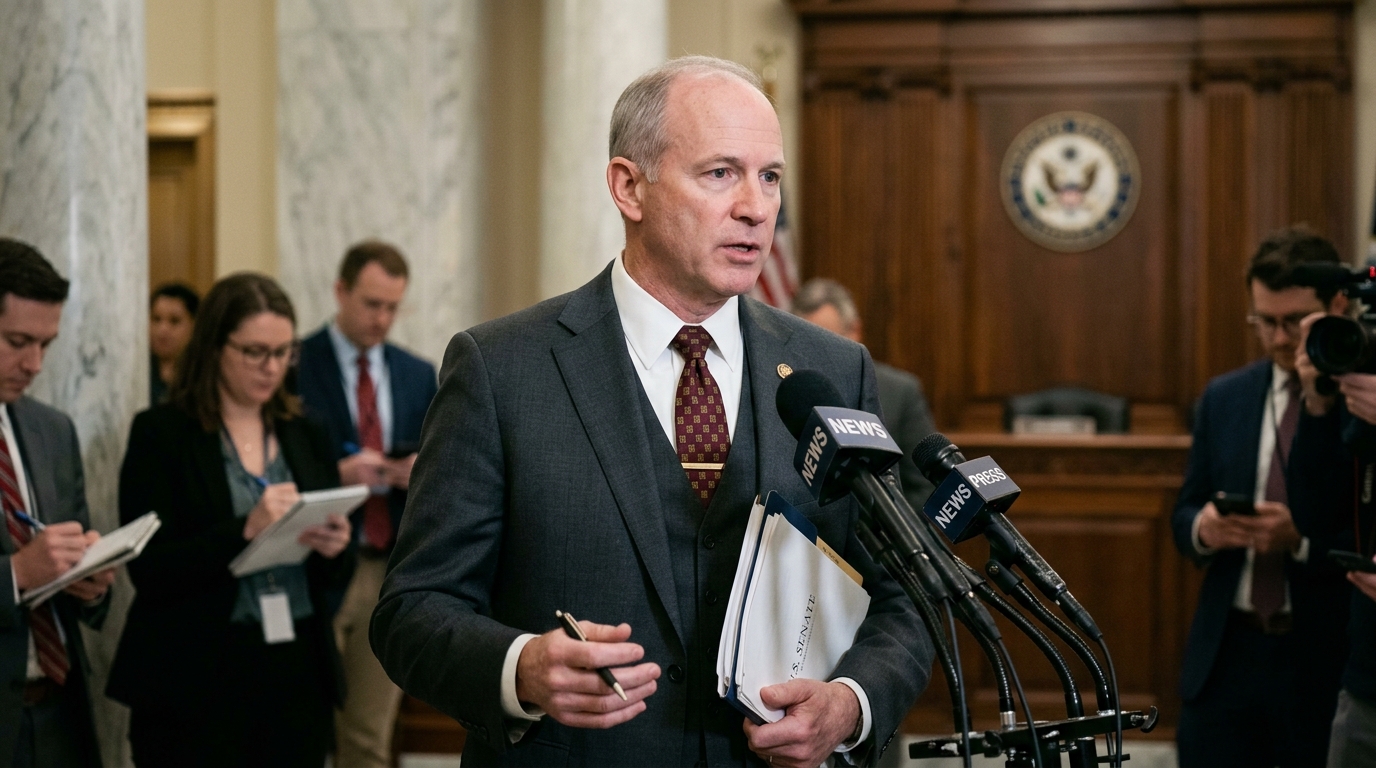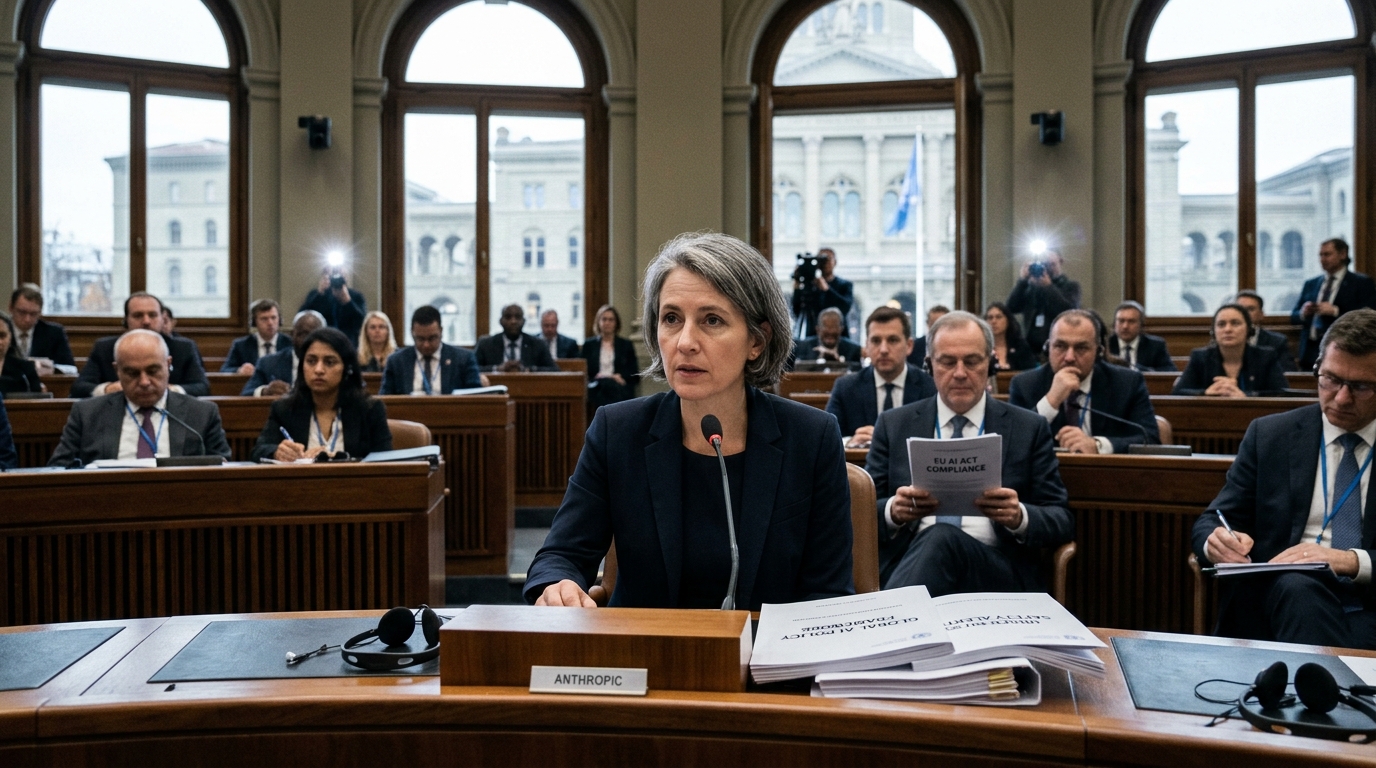
In a move that signals a new phase in the economic warfare between the West and Russia, the British government has announced an extensive sanctions package directly targeting cryptocurrency networks. London, traditionally one of the world's most significant financial hubs, is now attempting to prove that the era of 'Londongrad' is firmly in the past, aiming its regulatory arrows at digital platforms that facilitate capital flows to Moscow.
The Digital Dimension of Sanctions
The new sanctions are not merely an addition to an already long list of restrictions but a strategic upgrade. According to the Foreign, Commonwealth & Development Office (FCDO), the targeted entities include cryptocurrency exchanges and payment service providers allegedly operating as 'bridges' for bypassing SWIFT system restrictions. The use of stablecoins, particularly Tether (USDT), is at the heart of the investigations, as it appears to be the preferred medium for moving large sums outside traditional banking channels.
The UK government contends that these networks allow Russian oligarchs and state entities to fund the procurement of critical technologies for the front lines in Ukraine. The anonymity—or at least pseudonymity—offered by certain segments of the crypto ecosystem has made tracking these transactions a challenge for authorities, who are now, however, deploying advanced blockchain forensics tools.
The End of Immunity for OTC Desks
Particular emphasis is being placed on so-called Over-the-Counter (OTC) desks, which allow the exchange of large quantities of crypto for cash or bank deposits away from the public order books of major exchanges. Britain is targeting specific networks based in Moscow that have branches in international jurisdictions, attempting to sever their access to the global financial system.
- Targeting platforms offering anonymization services (mixers).
- Freezing assets of executives linked to the Russian defense industry.
- Stricter 'Know Your Customer' (KYC) checks for firms operating in the UK with transactions involving Russian wallets.
This move sends a clear message: technology cannot be a sanctuary for illegality. However, analysts point out that the effectiveness of these measures largely depends on international cooperation, as cryptocurrencies, by nature, know no borders.
Geopolitical and Economic Implications
The UK's decision comes at a time when the European Union and the US are also coordinating their own efforts to control digital assets. Pressure on Russia is intensifying as traditional revenue sources, such as oil and gas, are subject to strict price caps and sanctions. The shift toward crypto was an expected reaction from Moscow, which now finds itself facing an increasingly hostile regulatory environment.
"We will not allow the Kremlin to use new technologies to fund its illegal invasion. Our sanctions will continue to evolve as Russia's methods evolve," stated a senior British official.
On the other hand, the Russian side appears to be preparing for a long-term confrontation, investing in its own crypto mining infrastructure and developing the digital ruble. The battle for control over financial flows is now moving to the level of code and algorithms, making cybersecurity experts as important as diplomats.
Conclusions and Outlook
The tightening of the framework by the United Kingdom represents a milestone. It shows that regulators now have the expertise to penetrate the crypto ecosystem and enforce order. For the crypto industry, this means a period of intense compliance. Companies wishing to remain legal will have to invest vast sums in transaction monitoring systems, while those choosing to ignore sanctions risk complete exclusion from Western markets.
Ultimately, this move by Britain is not just about Russia. It is about the future of money itself and whether decentralized systems can truly remain outside the sphere of influence of nation-states. The answer, for now, seems to be negative.