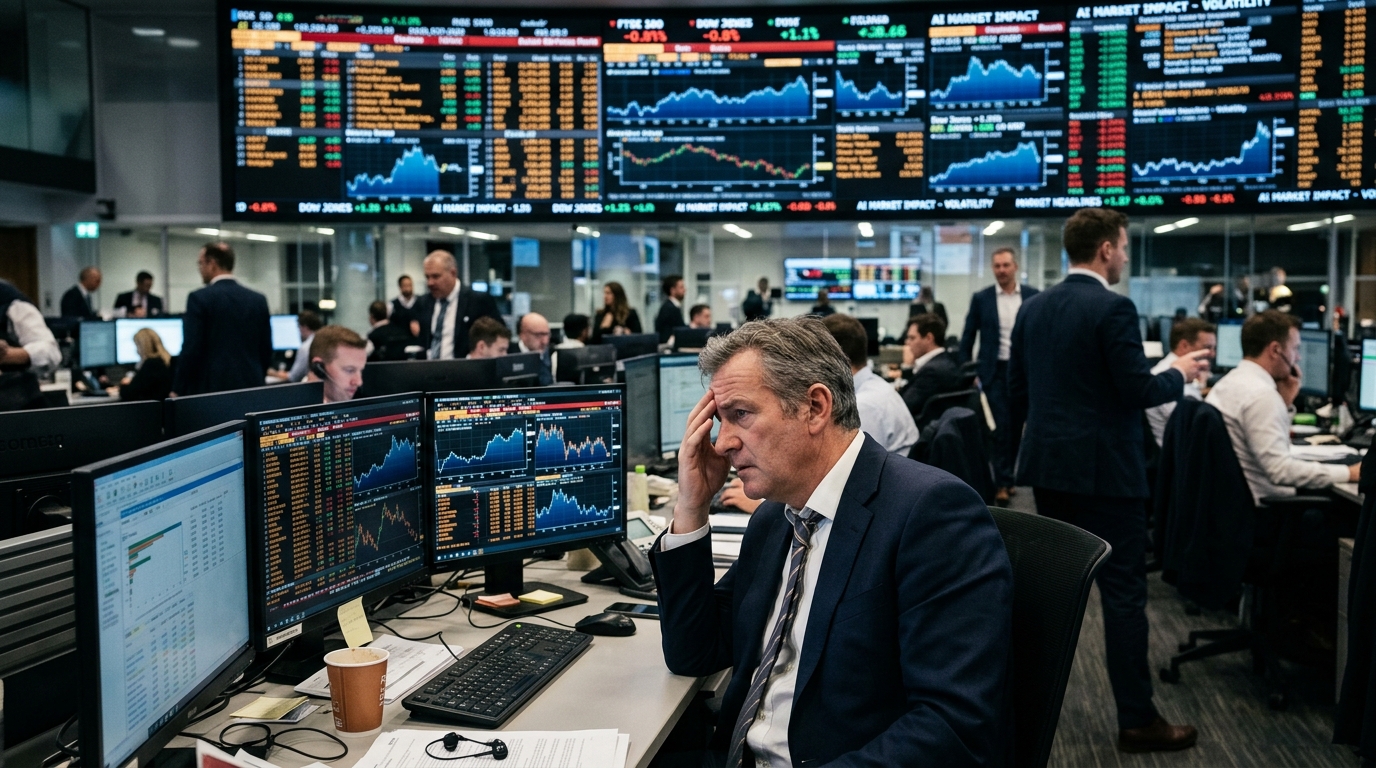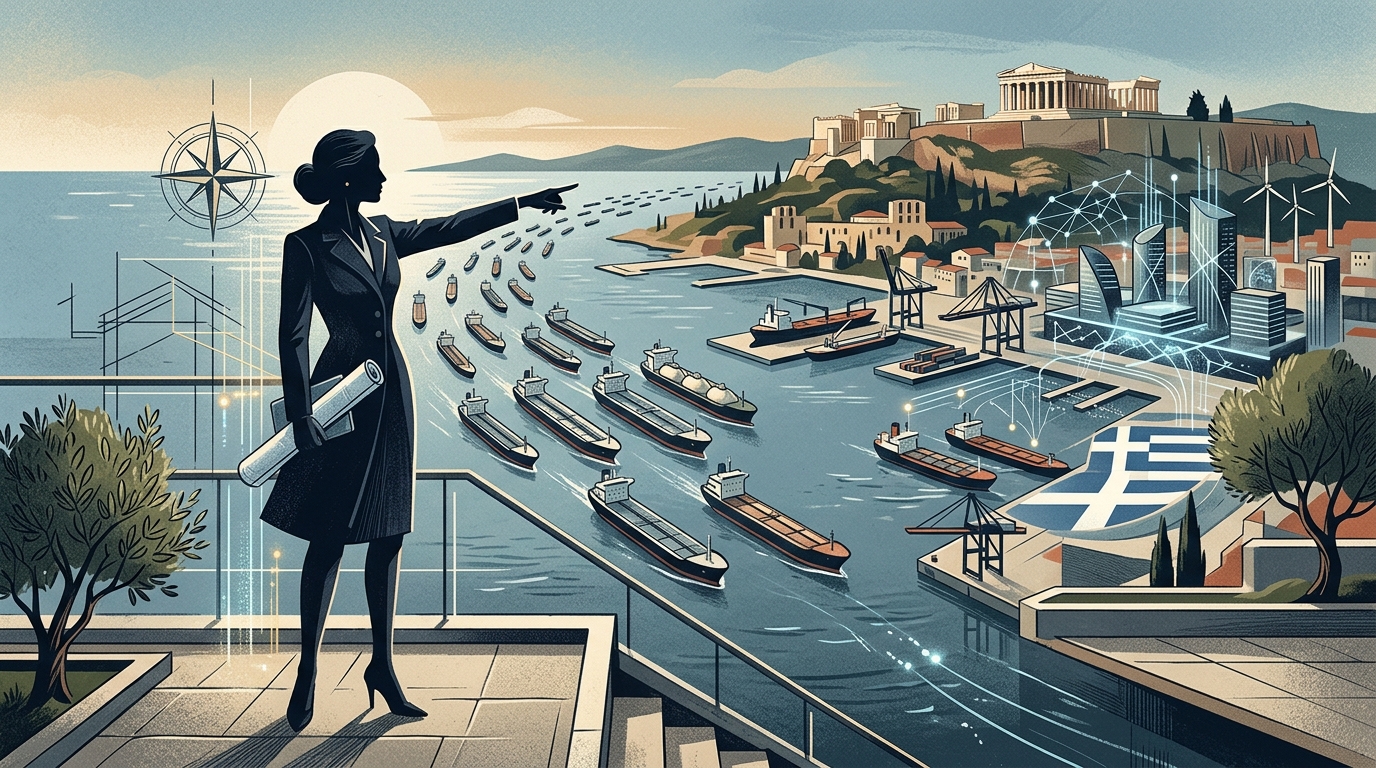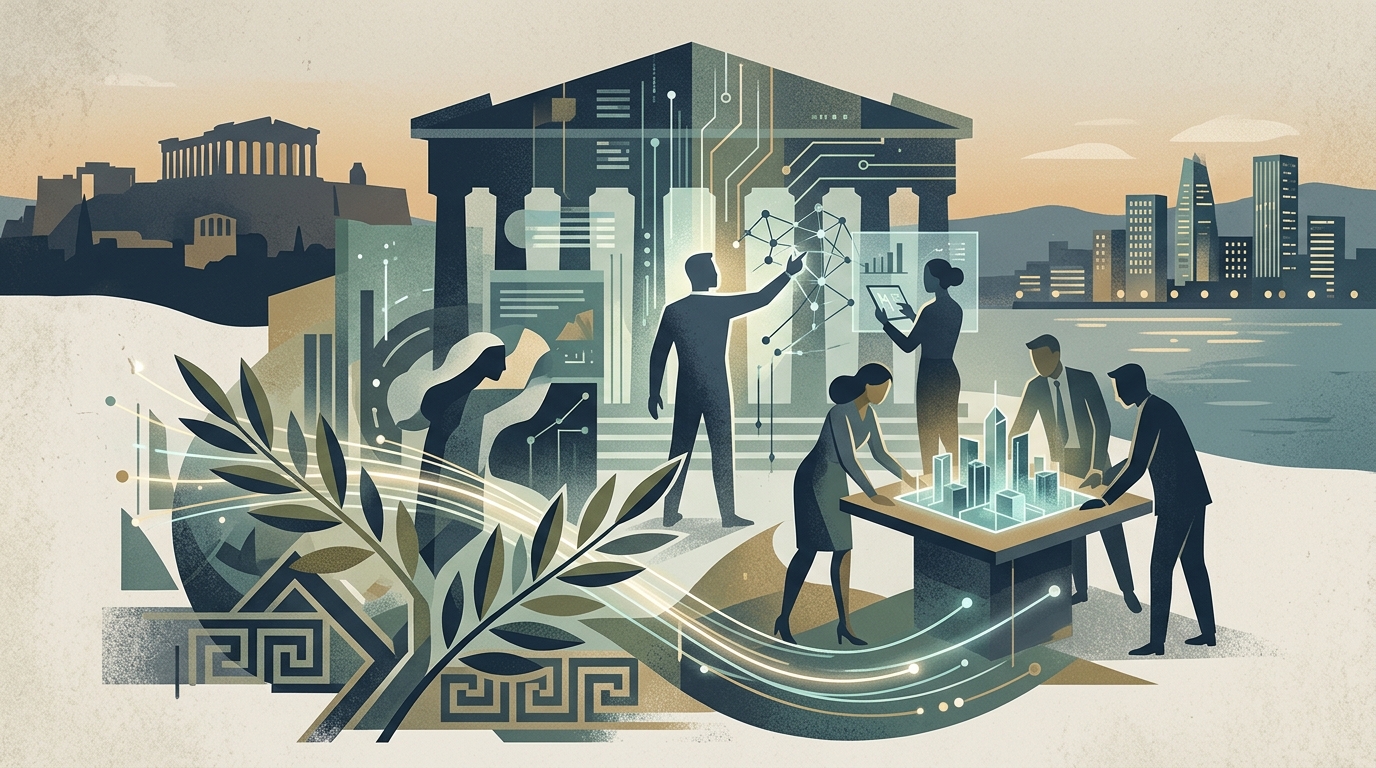
In an era where the global economy is restructuring around the axis of artificial intelligence and digital infrastructure, Greece is attempting to redefine its position on the international map. Recent statements by Stavros Kalafatis regarding the intensification of efforts for the "knowledge economy" are not merely political rhetoric; they reflect a necessity for survival in a highly competitive environment. The shift from a traditional model of low added value to an economy fueled by innovation, research, and specialized knowledge is the great wager of the current decade.
The Architecture of the New Economy
The concept of the knowledge economy is not limited to founding new startups. It involves creating an entire ecosystem where academic research is inextricably linked to production and the labor market. According to Mr. Kalafatis, the government has prioritized the removal of bureaucratic hurdles that for decades kept Greek innovation trapped within university laboratories.
- R&D Incentives: Increasing tax deductions for Research and Development (R&D) expenses is the primary tool for attracting investments from multinational giants.
- Digital Transformation of the State: Reducing friction between citizens/businesses and public administration frees up resources and time for creative work.
- Strengthening 'Elevate Greece': Establishing and expanding the startup registry provides the necessary framework for funding and the international outlook of Greek ideas.
However, the success of this endeavor depends on consistency in implementing reforms. The "knowledge economy" requires stability, as investments in technology have a long-term return horizon. Greece, having emerged from a painful economic crisis, is now called upon to prove it can offer the institutional depth that international investors seek.
From Brain Drain to Brain Gain: Human Capital
Greece's greatest asset in this effort is its human potential. For years, the country exported high-level scientists, fueling the economies of Northern Europe and the US. The strategy outlined by Mr. Kalafatis focuses on reversing this trend. Creating well-paid jobs in the technology sector is no longer just a wish but a reality beginning to take shape through the data centers of Microsoft, Google, and Amazon Web Services on Greek soil.
"Knowledge is the new currency of the 21st century. If we do not invest in our people and their ideas, we will remain mere consumers of technologies developed by others," industry analysts note.
The link between universities and businesses remains a sensitive but critical issue. Past ideological charges regarding the "privatization of knowledge" are receding in the face of the need for professional placement of graduates and the survival of the institutions themselves. Industrial doctorates and internship programs in innovative companies are steps in the right direction, but greater speed is required.
Challenges and Geopolitical Footprint
Not everything is rosy. Greece faces intense competition from neighboring countries like Bulgaria and Romania, which have already developed strong tech sectors with lower operating costs. Furthermore, energy costs remain a deterrent for the installation of large data infrastructures. The government must balance the green transition with the need for cheap and reliable energy required by the digital economy.
Geopolitically, establishing Greece as an innovation hub in the Southeastern Mediterranean enhances its diplomatic power. Knowledge and technology are not just economic metrics; they are tools of "soft power" that allow the country to play a central role in European developments. Mr. Kalafatis emphasized that this effort is national and transcends party lines, as it concerns the future of the next generations.
In conclusion, intensifying efforts for the knowledge economy is a necessary leap forward. Success will be judged by the state's ability to remain a facilitator rather than an obstacle to private initiative, and by the speed with which the educational system adapts to the demands of the 4th Industrial Revolution. The road is long, but the foundations seem to be laid with greater determination than ever before.