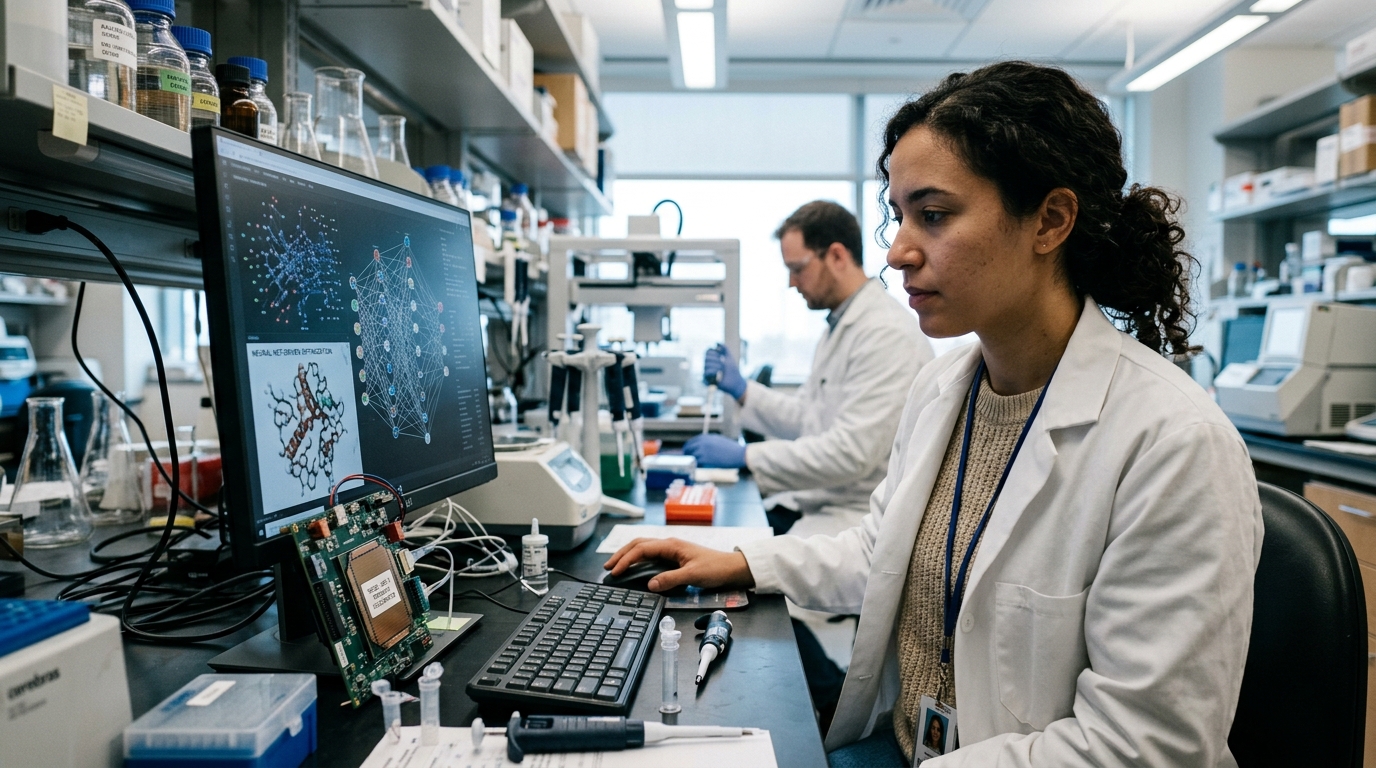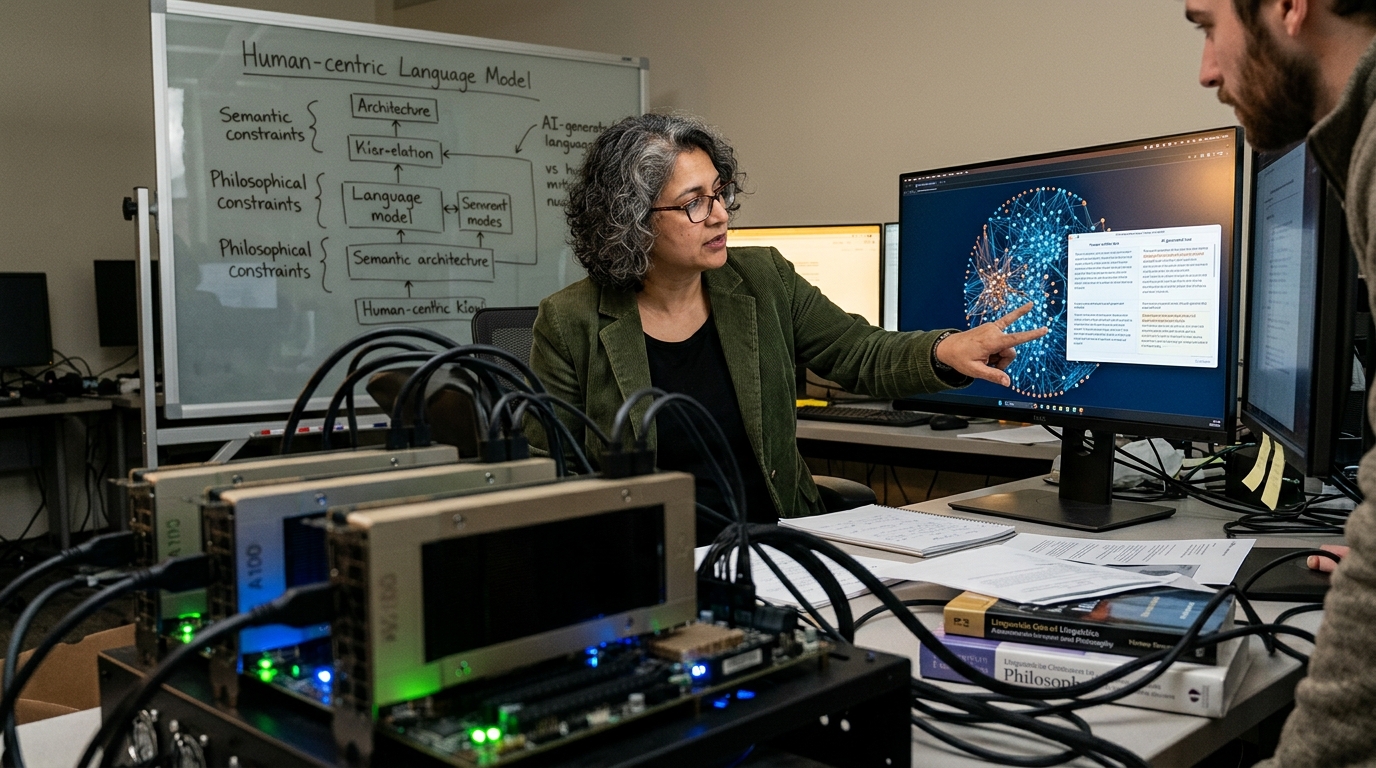
In an era where the generation of speech has been reduced to a process of statistical probability by algorithms, the very nature of human communication is being called into question. Colorado College, one of the most prestigious liberal arts institutions in the United States, recently announced the receipt of a $1.5 million grant from the Mellon Foundation. The goal is ambitious: to explore the intersection of language, humanistic inquiry, and Artificial Intelligence (AI), in an effort to rescue the "essence" of discourse from digital flattening.
The 'Humanities for All Times' Initiative
The grant is part of the Mellon Foundation’s broader "Humanities for All Times" initiative, which aims to highlight the importance of the humanities in addressing contemporary social challenges. At Colorado College, the program will focus on how AI is reshaping the way we understand, teach, and use language. This is not merely a technical study, but a profound philosophical quest.
Faculty leading the effort argue that the current obsession with Large Language Models (LLMs) tends to treat language as a simple set of data points. This approach overlooks the fact that language is the vessel of human experience, historical memory, and moral judgment. The grant will allow the college to create new courses, fund student research projects, and organize symposia that bring together computer scientists with philosophers, linguists, and historians.
Language as a Battlefield
Artificial Intelligence does not "understand" language the way humans do; it predicts it. This distinction is fundamental to Colorado College’s research project. As researchers point out, when we rely on models like GPT-4 or Gemini to compose texts, we risk adopting a "middle ground" of expression that lacks originality and critical depth. Language becomes a consumer product rather than a tool for liberation.
- Demystifying machine "intelligence" through linguistic analysis.
- Investigating the biases embedded in algorithms through training data.
- Enhancing students' ability to distinguish the authentic from the artificial in a world full of synthetic media.
The program places particular emphasis on the ethical dimension. If AI can mimic the style of a poet or the rhetoric of a politician, what remains of the concept of intellectual property and the personal voice? The humanities are called upon to set the boundaries and provide the framework within which technology serves humanity, rather than the other way around.
Interdisciplinarity and the 'Block Plan'
One of Colorado College’s unique features is the "Block Plan," where students study a single subject intensively for three and a half weeks. This structure is considered ideal for delving into complex issues like AI. The grant will be used to create interdisciplinary "blocks," where, for example, a computer science student might study semantics alongside a literature student.
"AI is not just a technical issue; it is a deeply human issue. If we lose control of our language, we lose control of our reality itself," says a member of the college's academic community.
At a time when many educational institutions are rushing to integrate AI into their curricula in purely utilitarian terms (how to write better prompts), Colorado College chooses the difficult path of critical analysis. The Mellon Foundation's investment suggests a growing concern about the "dehumanization" of knowledge and an urgent need to return to the roots of classical education.
Conclusion: A Renaissance for the Humanities?
This initiative could serve as a model for how universities worldwide will face the challenge of AI. Instead of fearing technology or blindly accepting it, the humanities can function as the necessary filter of critical thinking. The $1.5 million bet is not just about Colorado College, but about the future of human discourse in a digitally dominated world. The program's success will be judged by whether graduates are able not only to use AI but also to challenge it, maintaining the ability to express the unspeakable, the paradoxical, and the profoundly human.