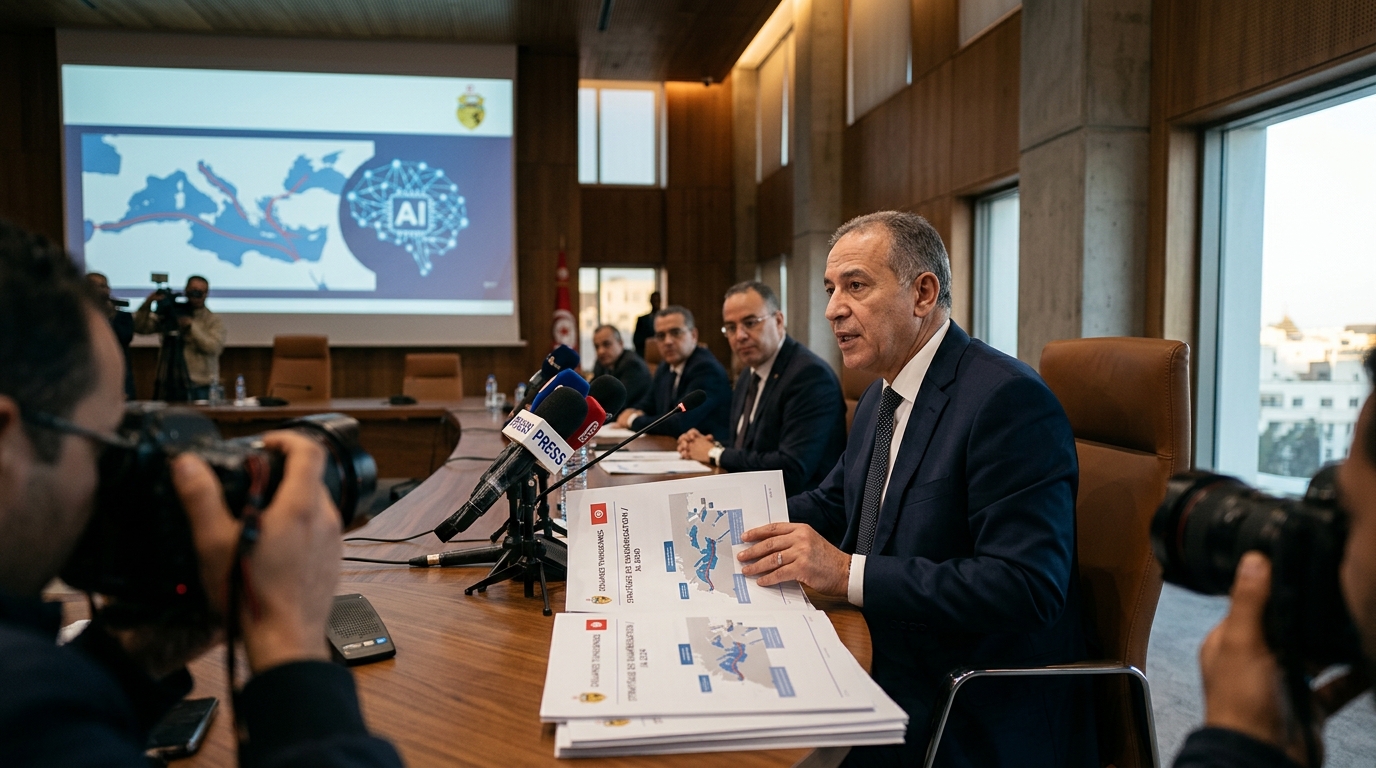
In a move that signals a profound shift in the modernization of North African state infrastructure, Tunisia has announced the full integration of Artificial Intelligence (AI) into its national customs screening system. This initiative, implemented in collaboration with international technology partners, is not merely a technical upgrade but a strategic choice with geopolitical and economic implications for the entire Mediterranean region.
The Technological Shift: From Manual Inspection to Automated Analysis
The new system relies on sophisticated machine learning algorithms that analyze data from multiple sources in real-time. The heart of this technology lies in the automated analysis of X-ray images from containers arriving at the country's ports, such as the Port of Rades. Until recently, the analysis of these images relied exclusively on human observation, a process that was time-consuming and prone to error or oversight.
With the use of AI, the system can identify anomalies in material density, hidden compartments, or objects that do not match the declared documentation with an accuracy rate reaching 98%. This allows customs officers to focus their physical inspections only on cargo flagged as "high risk" by the algorithm, drastically reducing delays for legitimate businesses.
Combating Corruption and the Shadow Economy
One of the most significant parameters of introducing AI into Tunisian customs is the effort to curb corruption. Human intervention at critical checkpoints has traditionally been a "backdoor" for illegal transactions and bribes. Automating the decision-making process regarding which container will be inspected reduces the potential for subjective interference.
Furthermore, Tunisia has for decades faced the problem of an extensive shadow economy, estimated to represent a significant percentage of its GDP. The smuggling of fuel, cigarettes, and electronics from neighboring states deprives the state treasury of billions of dinars every year. The AI system connects to international databases and analyzes historical merchant data, ship routes, and financial transactions, creating a "risk profile" for every import, making smuggling an extremely difficult and unprofitable activity.
Economic Efficiency and International Trade
For the Tunisian economy, speed is everything. The delay of a container at the port can cost businesses thousands of dollars on a daily basis. With the integration of AI, customs clearance time is expected to decrease by at least 40%. This makes Tunisia a more attractive destination for foreign investment, particularly for European companies looking for "near-shoring" solutions.
"Technology is not just a control tool, but a catalyst for economic growth. A transparent and fast customs office is the storefront of a modern economy," government sources in Tunis state.
However, the transition is not without challenges. The need for specialized personnel who can manage and maintain these systems is imperative. At the same time, questions arise regarding data protection and the possibility of algorithmic bias, issues that the Tunisian government claims to have addressed through strict legislative frameworks.
Conclusion: A Model for Africa?
Tunisia's move is being closely watched by other African nations facing similar challenges. The success of this venture could serve as the blueprint for the digital transformation of borders across the continent. In a world where trade is becoming increasingly digital, Tunisia chooses not to be left behind, investing in technology as a means for its national sovereignty and economic prosperity.