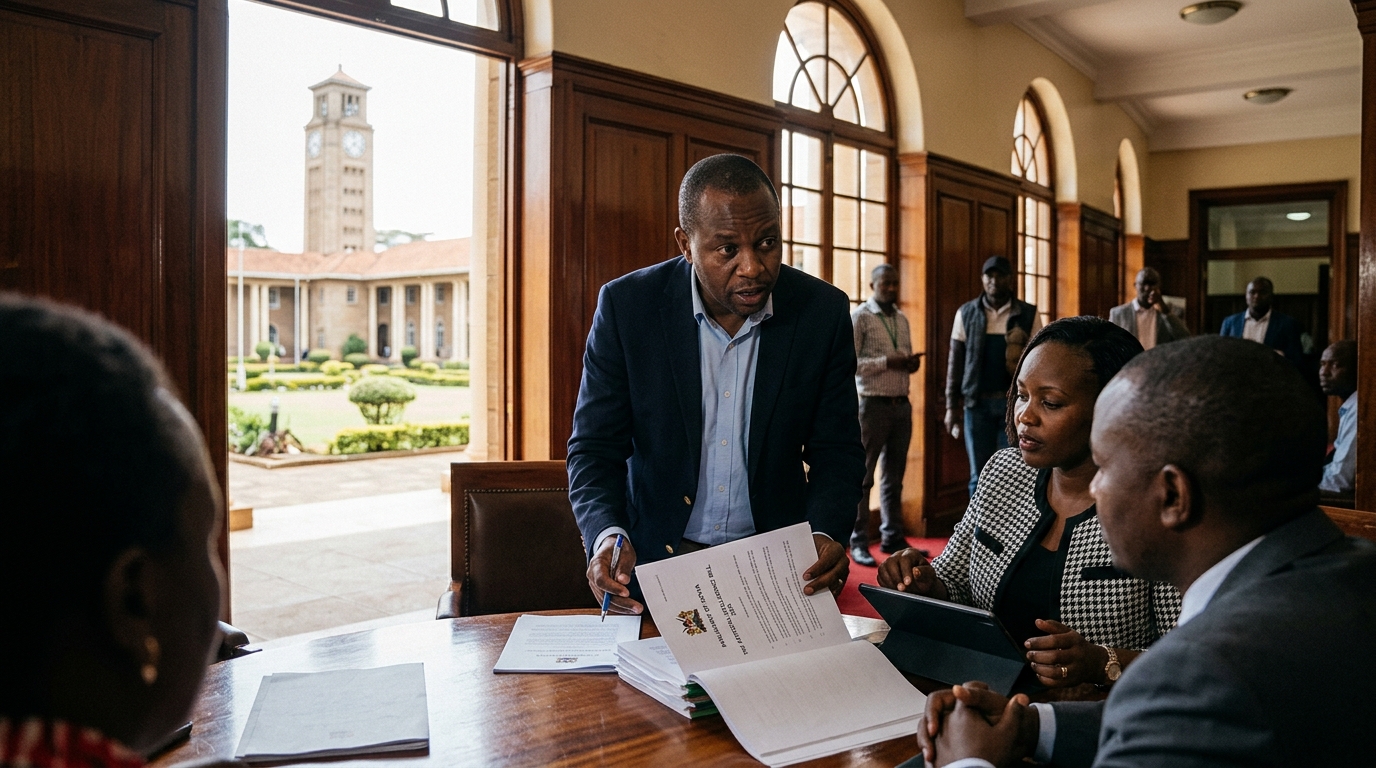
Kenya, often dubbed the 'Silicon Savannah' for its vibrant tech ecosystem, is currently at a critical crossroads. The proposed Robotics and Artificial Intelligence Society Bill, 2023, has sparked intense backlash from civil society, academics, and tech stakeholders. While the stated goal is to regulate an emerging technology, the bill's details reveal a troubling tilt toward state control and the curtailment of political expression.
The Trap of Mandatory Licensing
One of the most contentious aspects of the bill is the establishment of the 'Robotics and Artificial Intelligence Society of Kenya.' According to the text, anyone wishing to operate in the AI sector must register and obtain a license from this body. The lack of clarity regarding who qualifies as an 'AI professional' creates a legal gray zone. Could an activist using a generative AI tool to create a political poster be deemed illegal if they lack a license?
This bureaucratic approach is not just a hurdle for innovation; it is a tool for exclusion. In a country where digital opposition plays a pivotal role, requiring state approval to use or develop technological tools echoes the eras of press censorship. The bill stipulates exorbitant fines and prison sentences for those operating without a license, which is expected to act as a deterrent for young creators and political commentators alike.
Ambiguity as a Tool for Suppression
The bill employs terms like 'misinformation' and 'harmful content' without providing rigorous legal definitions. In the context of electoral cycles, history has shown that such terms are frequently weaponized by governments to silence criticism. If an AI system developed in Kenya highlights government corruption, could the state label it a 'threat to national security' under the new law?
'The regulation of technology should never come at the cost of fundamental rights. Kenya’s bill appears to prioritize control over progress,' note analysts from Tech Policy Press.
Furthermore, the provisions regarding the liability of AI creators for the content their systems produce are extremely harsh. This fosters a culture of self-censorship. Developers, fearing legal repercussions, may choose to limit the capabilities of their tools, steering clear of any topic that could be deemed politically sensitive.
The Impact on the 'Silicon Savannah'
Kenya has earned its reputation as an innovation hub in Africa thanks to a relatively free environment. This bill threatens to dismantle that image. Investors seek stability and clarity, not authoritarian interventions that could jeopardize their executives with jail time. If Kenya adopts this model, there is a risk that other African nations will follow suit, creating a 'digital iron curtain' across the continent.
Conclusion: The Need for a Rights-Based Approach
Regulating AI is necessary, but it must be grounded in human rights principles. Kenya has the opportunity to lead globally by creating a framework that protects citizens from the side effects of AI without sacrificing freedom of speech. For this to happen, the current bill must be withdrawn or radically revised, with the participation of all social partners and not just government officials. The digital age requires open minds, not closed systems of control.