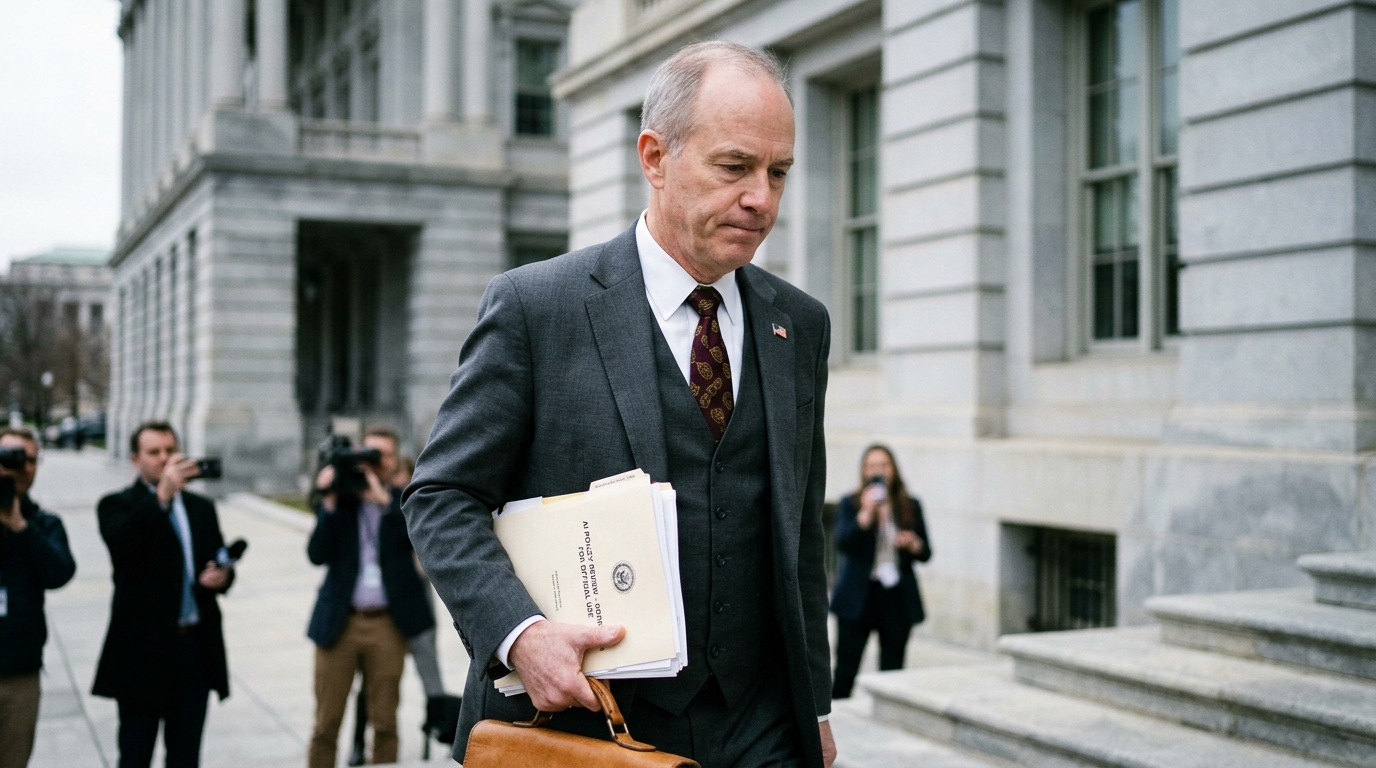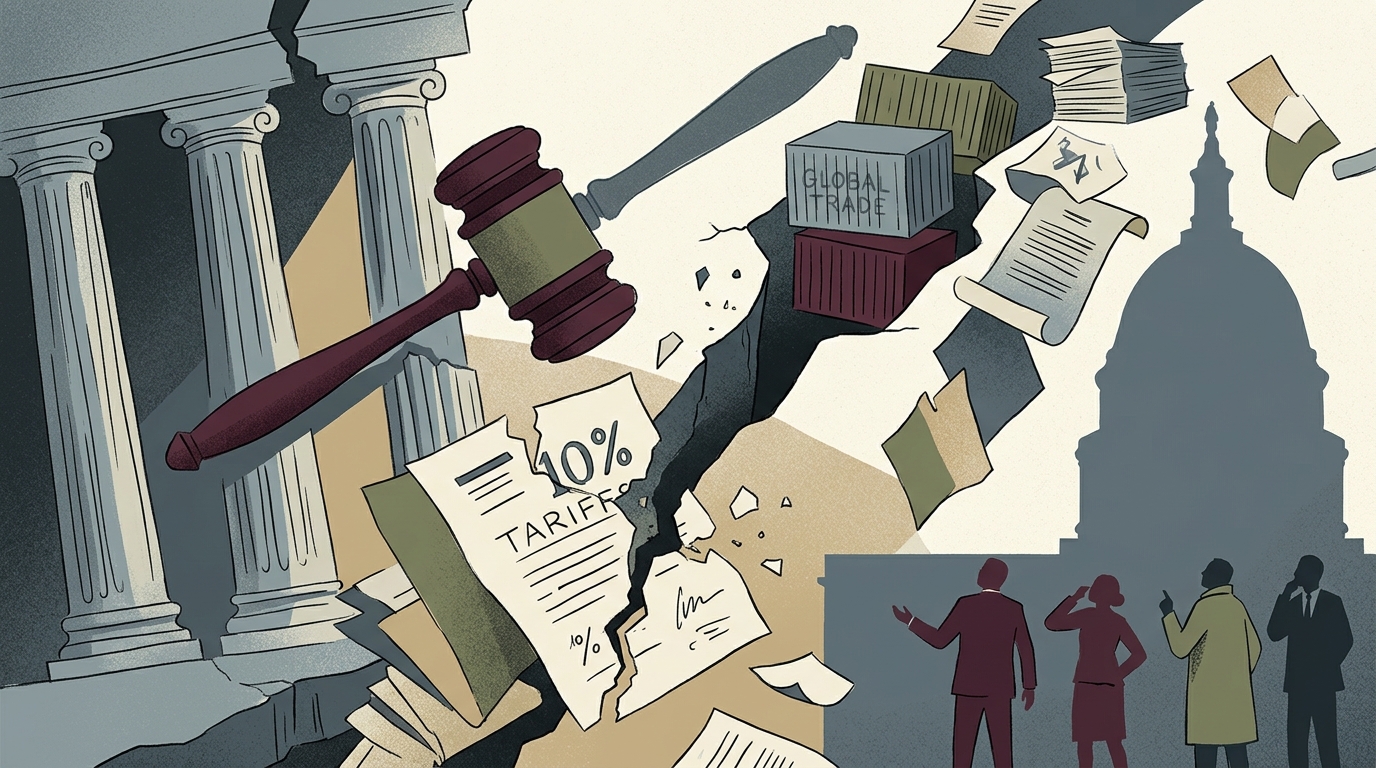
In a landmark ruling that reshapes the landscape of international trade, a U.S. federal court has struck down the 10% universal tariffs imposed by the Trump administration in early 2026. This decision is not merely a legal roadblock; it represents a fundamental challenge to the President's executive authority to unilaterally dictate economic policy affecting billions of dollars in global commerce.
The Legal Rationale: Executive Overreach
The court, sitting in Washington D.C., ruled that the administration's reliance on the International Emergency Economic Powers Act (IEEPA) to impose blanket tariffs constituted a "clear abuse of discretion." The judges argued that while the President possesses broad powers regarding national security, imposing a horizontal tax on all imported goods without a specific, demonstrated threat violates the Commerce Clause of the U.S. Constitution. This clause explicitly grants Congress the exclusive authority to regulate commerce with foreign nations.
The legal challenge was spearheaded by a coalition of retailers, tech giants, and consumer advocacy groups. They argued that the tariffs functioned as an indirect tax on American households, driving up the cost of living. The court's opinion emphasized that the government failed to provide a rational link between a universal tariff policy and a specific national emergency, effectively dismantling the White House's argument of "economic security as national security."
Economic Fallout and Market Reaction
News of the tariff nullification triggered an immediate rally on Wall Street, with retail and automotive stocks leading the gains. For months, markets had been operating under a cloud of uncertainty, as the costs of raw materials and consumer goods surged, fueling renewed inflationary pressures. The removal of these tariffs is expected to provide much-needed relief to supply chains that had already begun costly restructuring processes.
- Immediate price reductions in imported electronics, apparel, and household goods.
- An estimated boost of $1,200 in annual purchasing power for the average American household.
- Restoration of profit margins for small and medium-sized enterprises (SMEs) dependent on global inputs.
However, analysts warn that this relief might be short-lived. The White House has already announced its intention to appeal the ruling to the Supreme Court. Given the current conservative majority on the high court, there is a possibility that the decision could be reversed, with a focus on a broader interpretation of executive power in foreign affairs.
Geopolitical Implications and the European Stance
In Brussels, the ruling was met with cautious optimism. European exports, ranging from olive oil and wine to aerospace components, had been severely hampered by the 2026 measures. Many EU member states had prepared retaliatory measures, which are now being put on hold. The ruling offers a diplomatic window to renegotiate trade terms without the immediate pressure of a trade war.
"Justice has confirmed that global trade cannot be held hostage by arbitrary political whims," stated a senior EU trade official.
China, conversely, remains wary. While the court's decision lifts the general 10% tariff, specific duties targeting Chinese-made electric vehicles and semiconductors remain in place under different statutory authorities. Beijing views this legal setback for Trump as an opportunity to push for further concessions, while Washington appears to be losing its most potent bargaining chip in the ongoing trade negotiations.
The Road Ahead: Political Risk and Strategy
For Donald Trump, this judicial defeat is a significant blow to his narrative of "economic sovereignty." As the U.S. approaches the midterm elections, the cancellation of these tariffs deprives the administration of a key revenue stream intended to fund domestic tax cuts. The political rhetoric is expected to intensify, with the President's supporters accusing "activist judges" of undermining American manufacturing and favoring foreign interests.
In conclusion, the May 2026 ruling marks a critical turning point. It highlights the resilience of checks and balances within the American system and serves as a reminder that globalization, despite its critics, remains anchored in a complex web of legal and economic rules. Businesses must now navigate an environment where the only certainty is the volatility of political and judicial outcomes. The coming months will determine whether this is a permanent return to trade stability or merely a brief pause in a larger protectionist shift.