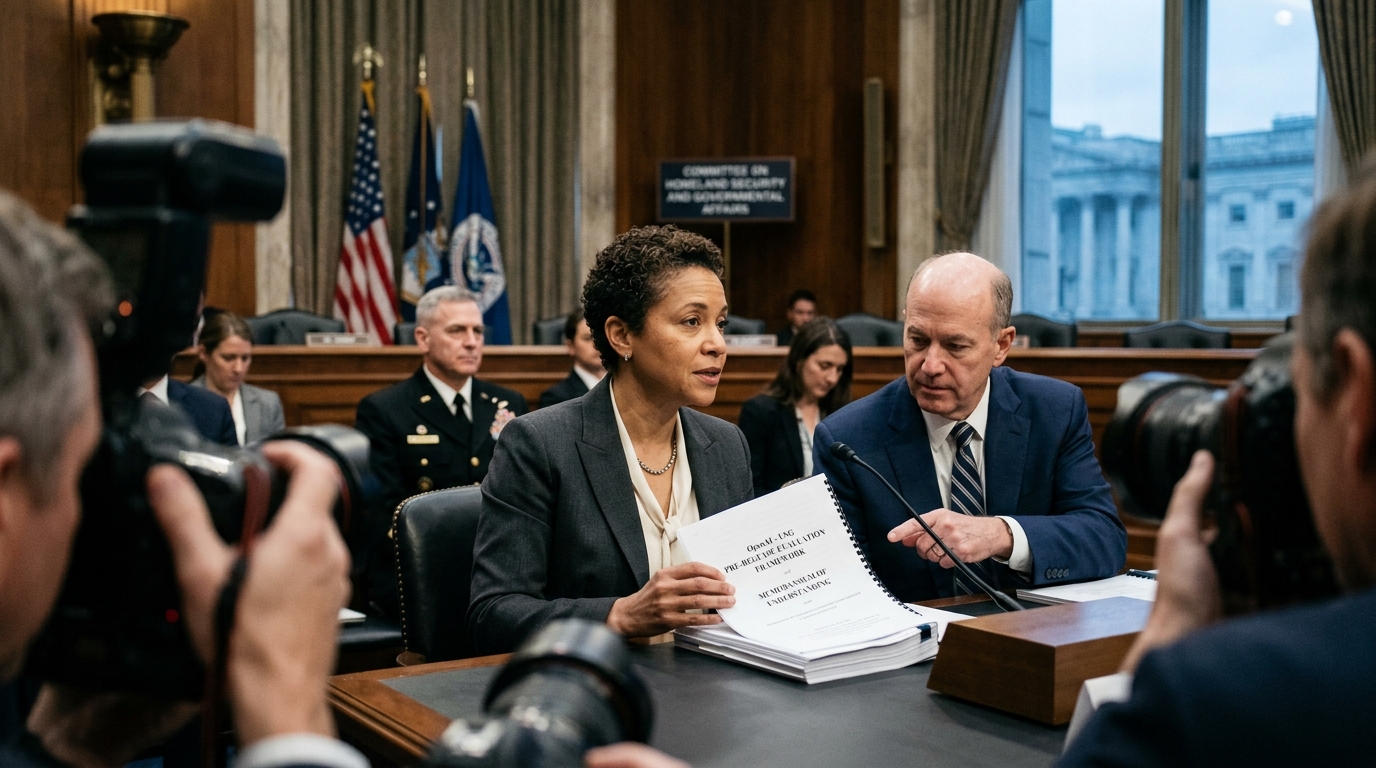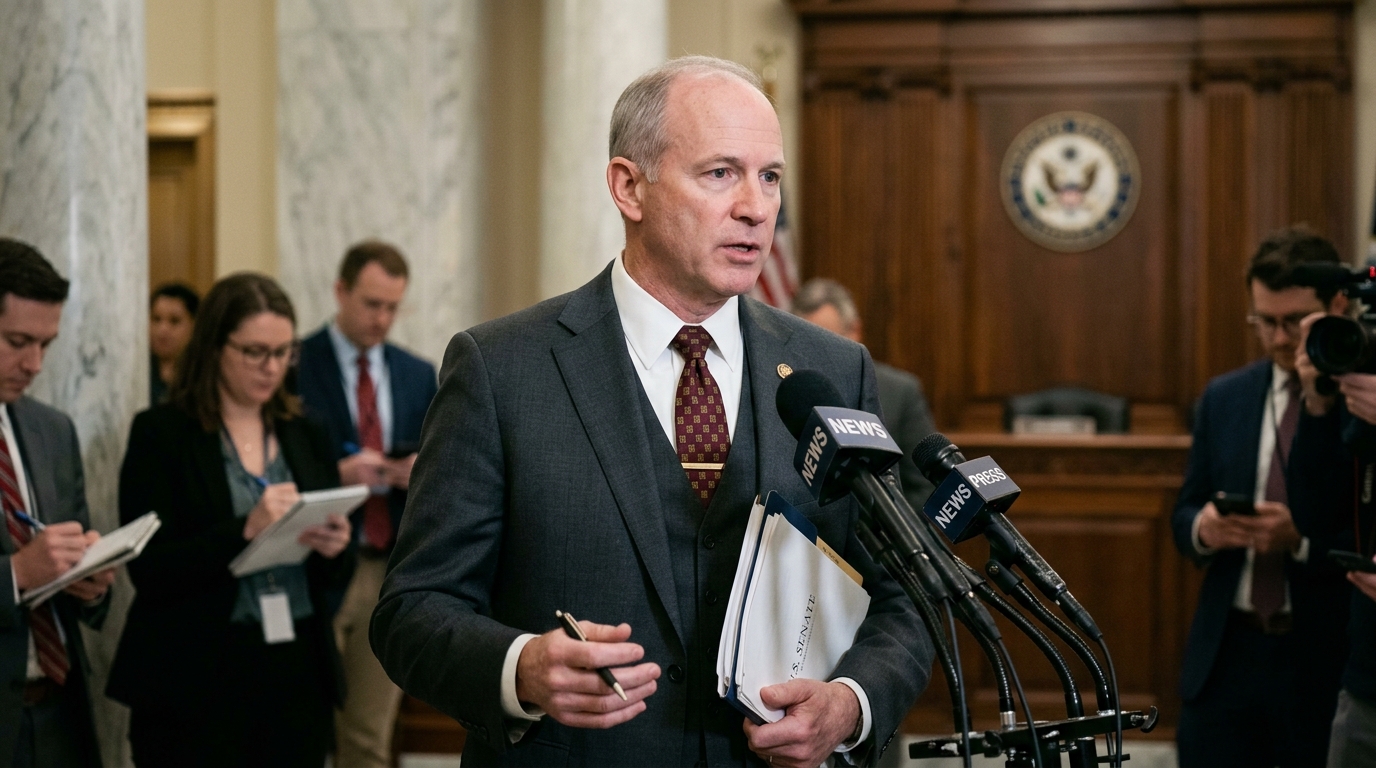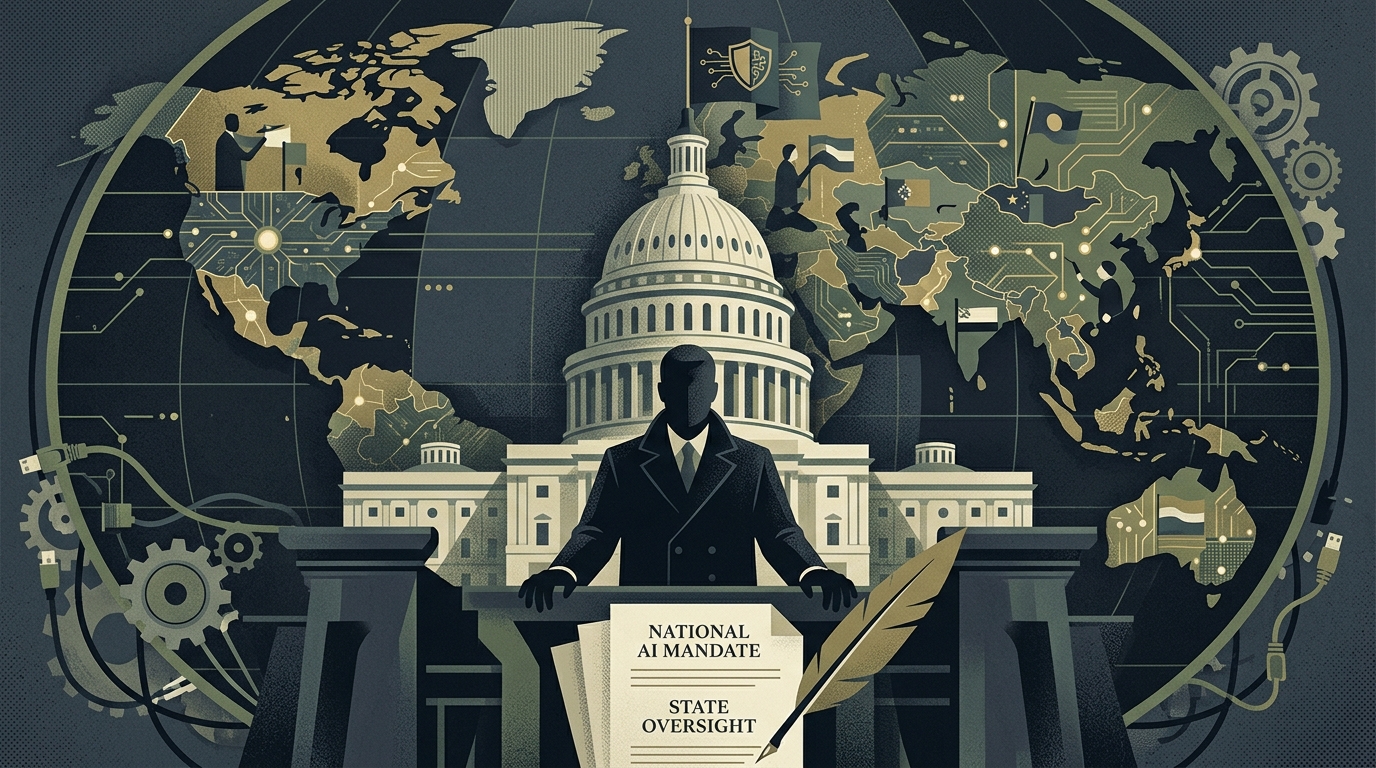
In a move that fundamentally reshapes the relationship between the U.S. federal government and the high-tech industry, President Donald Trump signed an executive order today requiring AI developers to provide the government with a “first look” at their most powerful models before they are released to the public. This decision, coming at a critical juncture for global technological supremacy, signals the end of the era of total self-regulation for Silicon Valley giants.
The Architecture of State Oversight
The new order focuses on what the administration calls “dual-use models with potentially dangerous capabilities.” Under the new guidelines, any company developing an AI model that exceeds specific computational power thresholds—to be re-evaluated every six months—is required to share the results of internal safety tests, or “red-teaming,” with the Department of Commerce. The administration argues that this move is essential to protect against the use of AI in developing biological weapons, conducting large-scale cyberattacks, or undermining national infrastructure.
However, this intervention is not solely about safety. The order introduces the concept of “Technological Patriotism,” requiring companies to ensure their models do not “leak” expertise to foreign adversaries, with clear reference to China. Critics of the decision point out that the requirement for prior access to models could lead to a form of state censorship or, at best, a bureaucratic bottleneck that will delay innovation at a time when international competition is fierce.
Silicon Valley’s Reaction and the Innovation Dilemma
The reaction from Menlo Park and Mountain View was immediate and divided. While some major players already working closely with the defense establishment see the order as an opportunity to solidify their market position through compliance, open-source advocates express grave concerns. They argue that strict reporting requirements will make it impossible for smaller research groups to operate, concentrating power in the hands of a few companies with the resources to manage the legal burden.
- Limiting access to models deemed of “national significance.”
- Mandatory reporting for any training cycle using more than 10^26 floating-point operations.
- Creation of a new AI Safety Council with expanded auditing powers.
Analysts suggest that Trump is using national security as a “Trojan horse” to control the political direction of algorithms. There is a strong fear that the government could use this access to pressure companies into removing “biases” that the administration finds undesirable, or conversely, to impose a specific ideological agenda on large language models.
Geopolitical Implications: The Clash with Beijing
At the heart of the executive order lies the competition with China. The Trump administration views artificial intelligence as the modern equivalent of the Manhattan Project. The requirement for early notification aims to prevent the inadvertent strengthening of Chinese military capabilities through American technology.
“We cannot allow our adversaries to use our own tools against us,”a White House spokesperson stated during the signing. The order also includes provisions for monitoring cloud infrastructure, requiring providers to report when foreign clients train large models on American servers.
This move is likely to trigger retaliation from Beijing, which is already investing billions in developing domestic chips and algorithms. The global AI market appears to be splitting into two camps, with Washington adopting an “innovation protectionism” approach reminiscent of the Cold War. The question remains whether the security promised by the order is worth the price of potentially stifling technological progress.