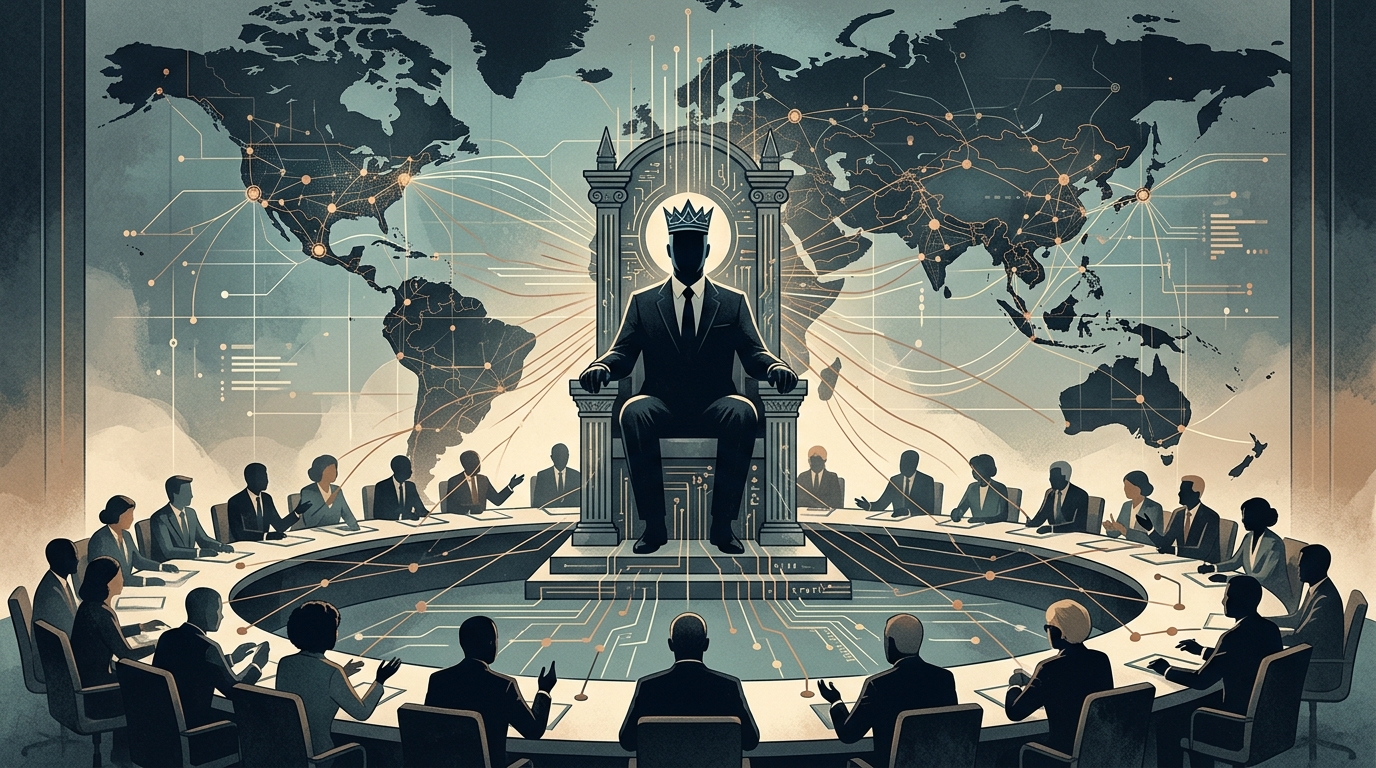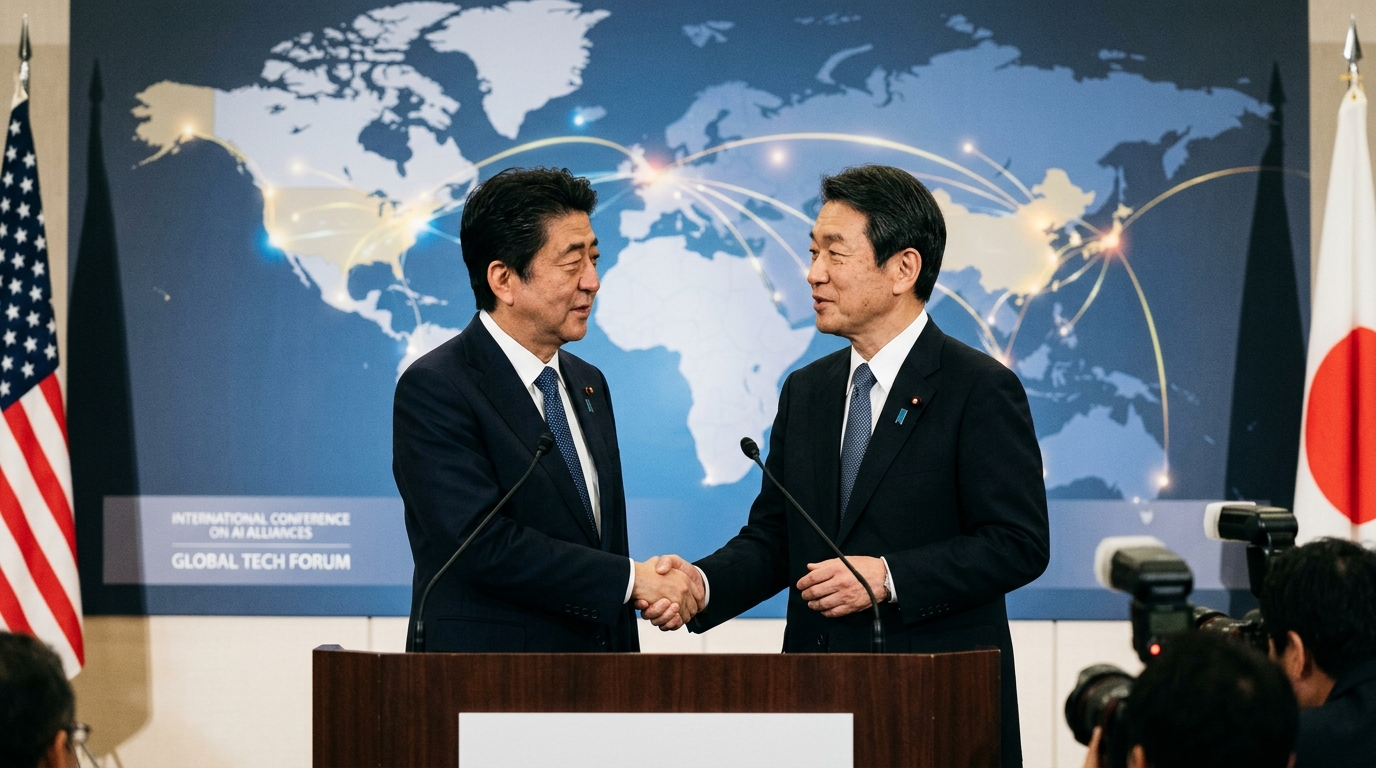
In an era where a nation's power is no longer measured solely by the number of its nuclear warheads or the size of its fleet, but by the flops of its supercomputers and the complexity of its algorithms, the United States and Japan have moved toward a historic strengthening of their ties. The recent announcement of a broad collaboration in Artificial Intelligence (AI) research and development is not merely a scientific agreement; it is a strategic fortification against China's galloping technological influence.
The initiative, valued at $110 million, brings together leading academic institutions and tech giants from both sides of the Pacific. Carnegie Mellon University and the University of Washington will collaborate with Keio University and the University of Tsukuba, supported by behemoths such as NVIDIA, Amazon, Microsoft, and SoftBank. This "state-academia-market" framework represents the West's answer to Beijing's model of "military-civil fusion."
The Geopolitical Chessboard of Intelligence
This collaboration comes at a critical juncture. China has set a national goal to become the global leader in AI by 2030, investing billions in infrastructure and talent. For the US, maintaining the lead in AI is a matter of national security, as this technology affects everything from cyber defense and intelligence analysis to the control of autonomous weapon systems. Japan, for its part, sees AI as the solution to its acute demographic problem and an opportunity to regain its former glory in the semiconductor and hardware sectors.
"Artificial Intelligence is the new frontier of freedom," said a senior US administration official. "It’s not just about code; it’s about the values embedded within that code."
The reference to "values" is no coincidence. Washington and Tokyo seek to set global standards for "responsible AI," in contrast to the use of technology for mass surveillance and social control attributed to China. The agreement includes the creation of joint laboratories focused on improving Large Language Models (LLMs), system safety, and the application of AI in scientific discovery.
The Alliance of Corporate Titans
The participation of the private sector is particularly noteworthy. NVIDIA, the undisputed leader in AI chip production, and SoftBank, the Japanese investment giant that controls Arm, are the pillars of this effort. Their collaboration is not just about research but also about creating an alternative supply chain that is less dependent on Chinese manufacturing power.
Amazon and Microsoft are providing the cloud infrastructure necessary for training models. In this way, the alliance ensures that researchers will have access to computational power that was previously the privilege of only the world's largest companies. This democratization of access to high technology within the alliance is key to accelerating innovation.
Challenges and the Future of the Pacific
Despite the enthusiasm, challenges remain. The first is technology leakage. Ensuring that the results of this joint research do not end up in Chinese hands requires strict security protocols. The second challenge is competition within the alliance itself. American and Japanese companies remain competitors in the global market, and balancing collaboration with competition is a delicate balancing act.
In conclusion, the US-Japan partnership marks the end of the era of "blind globalization" in technology. Now, innovation is aligned with geopolitics. As the world splits into technological blocs, the success of this alliance will determine not only who will dominate the AI market but also which cultural and political model will prevail in the 21st century. The battle for silicon and algorithms has just begun, and the Pacific Ocean remains the central theater of developments.