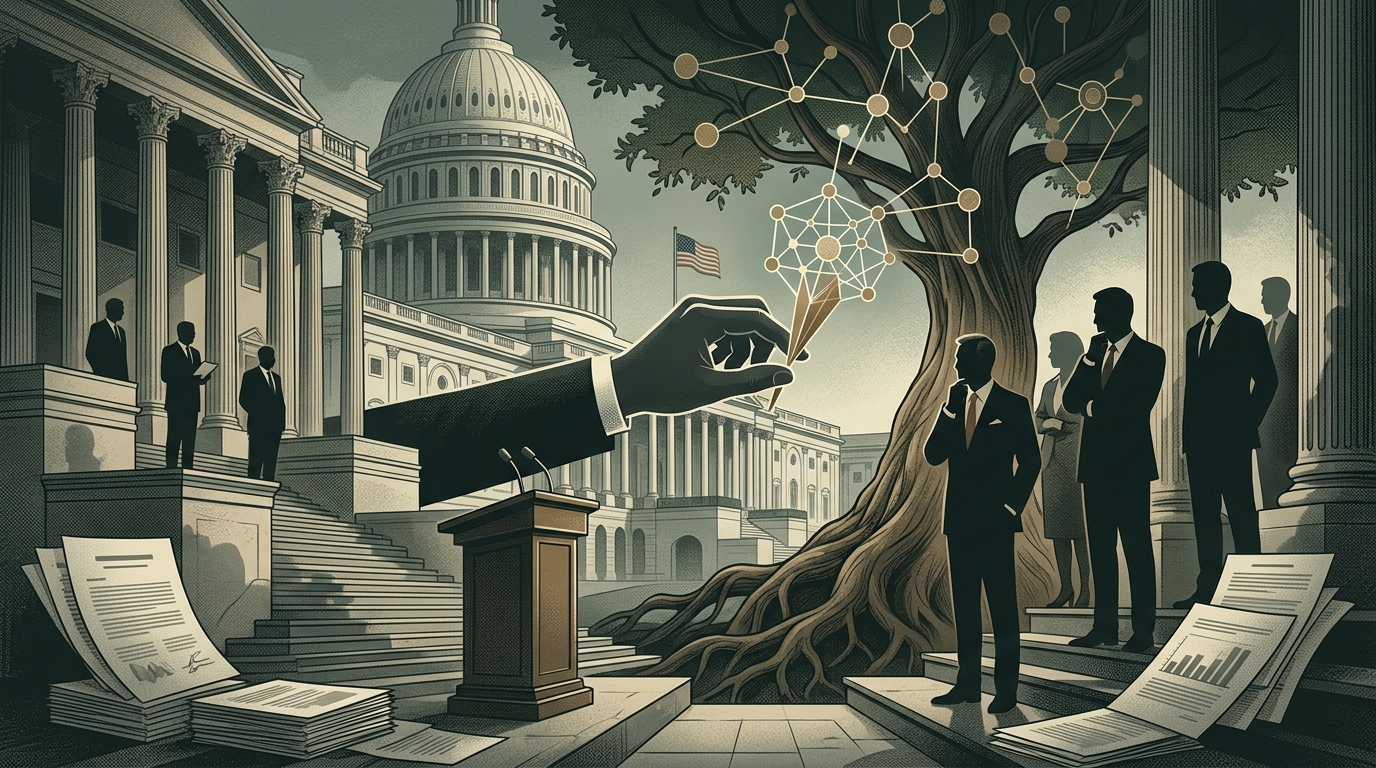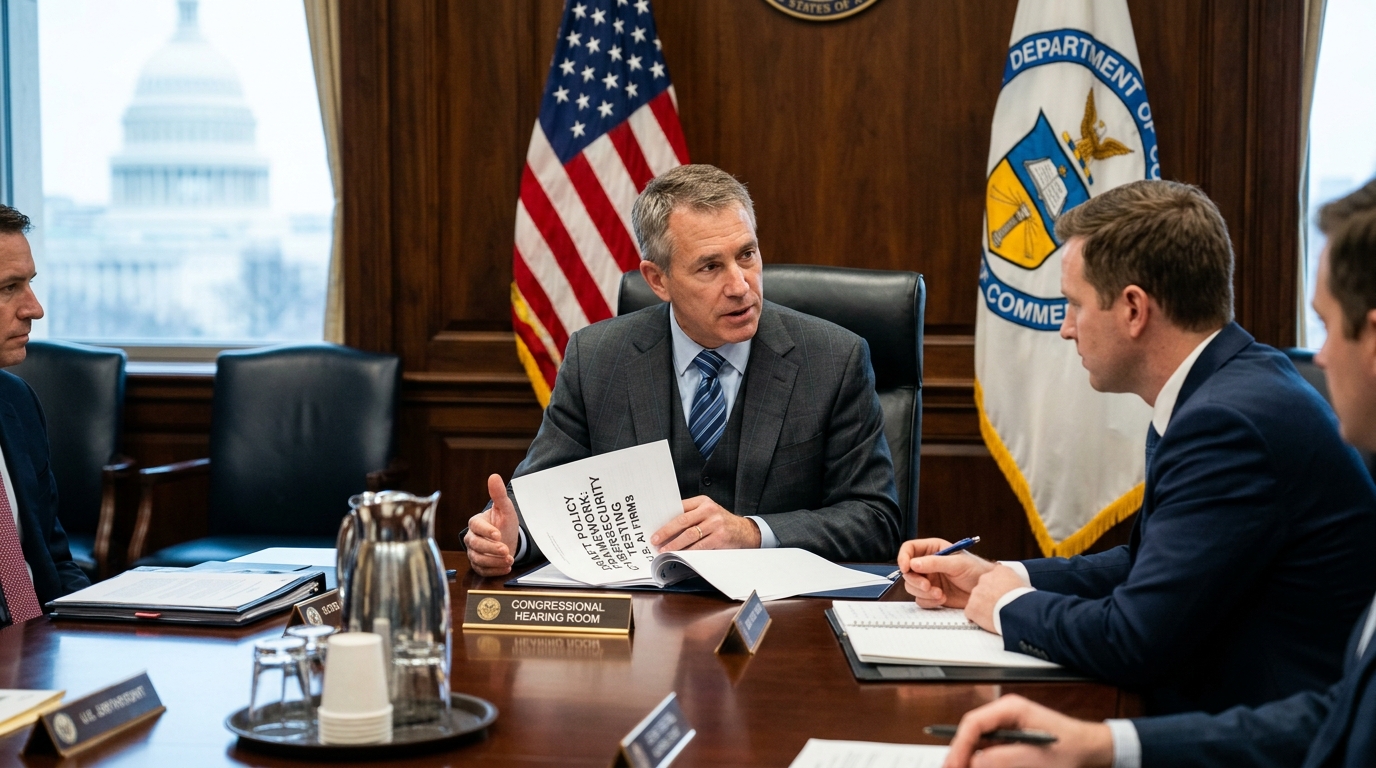
In a move reflecting the shifting philosophy of the U.S. executive branch regarding technological hegemony, the Trump administration has announced its intention to ask leading U.S. artificial intelligence firms to voluntarily submit their models for cybersecurity testing. According to reports from Reuters, this initiative aims to identify vulnerabilities that could be exploited by foreign adversaries, without imposing the rigid, mandatory constraints that characterized the previous administration.
The Shift Toward 'Voluntary' Oversight
This move marks a clear departure from Joe Biden's 2023 Executive Order, which utilized the Defense Production Act to require AI developers to share safety test results with the government. The Trump administration's approach favors a "partnership" model, arguing that innovation should not be stifled by bureaucracy, while simultaneously recognizing that AI has become a critical pillar of national security.
White House officials argue that the voluntary nature of the testing will foster trust between the public and private sectors. However, analysts point out that the term "voluntary" in Washington often carries the implicit threat of legislative intervention if companies fail to comply. The stakes are high: ensuring that Large Language Models (LLMs) cannot be used to engineer biological weapons or launch devastating cyberattacks on critical infrastructure.
The 'China Factor' and Technological Nationalism
At the heart of this policy lies the intensifying competition with Beijing. The Trump administration views AI as the "new Manhattan Project," where victory is not merely economic but existential. By asking companies like OpenAI, Anthropic, and Google to open the "black boxes" of their models for government audits, Washington seeks to create a "digital shield" around American technology.
- Protection of intellectual property from industrial espionage.
- Ensuring algorithms do not contain backdoors planted by foreign agents.
- Aligning AI capabilities with U.S. defense protocols.
The "America First" rhetoric translates here into an effort to maintain the U.S. lead while ensuring the technology does not "boomerang" against the country that invented it. Cybersecurity testing will focus on model resilience against "jailbreaking" attacks and their ability to resist generating malicious code.
Silicon Valley's Reaction: Between Scylla and Charybdis
For tech giants, this proposal is a double-edged sword. On one hand, the move away from strict regulatory oversight is welcome. On the other, handing over sensitive models for government review raises serious questions about trade secret protection and data privacy.
"Collaboration with the government is essential for national security, but it must be done in a way that protects the intellectual property that is the backbone of American innovation," said a senior executive at a major AI firm under condition of anonymity.
There is also the fear that these "voluntary" tests could be the precursor to a more interventionist policy, where the government has the final say on which models are permitted to reach the market. The balance between business freedom and national survival remains the most thorny issue on the 2026 tech policy agenda.
Conclusion: A New Social Contract for AI?
As we move into the second half of the decade, the relationship between the state and AI companies is evolving into something deeper than a simple regulatory framework. It is a new social contract, where access to technological power comes with the responsibility of national defense. The success of the Trump administration's initiative will depend on whether companies view the government as a partner or as another player trying to control the future of intelligence.