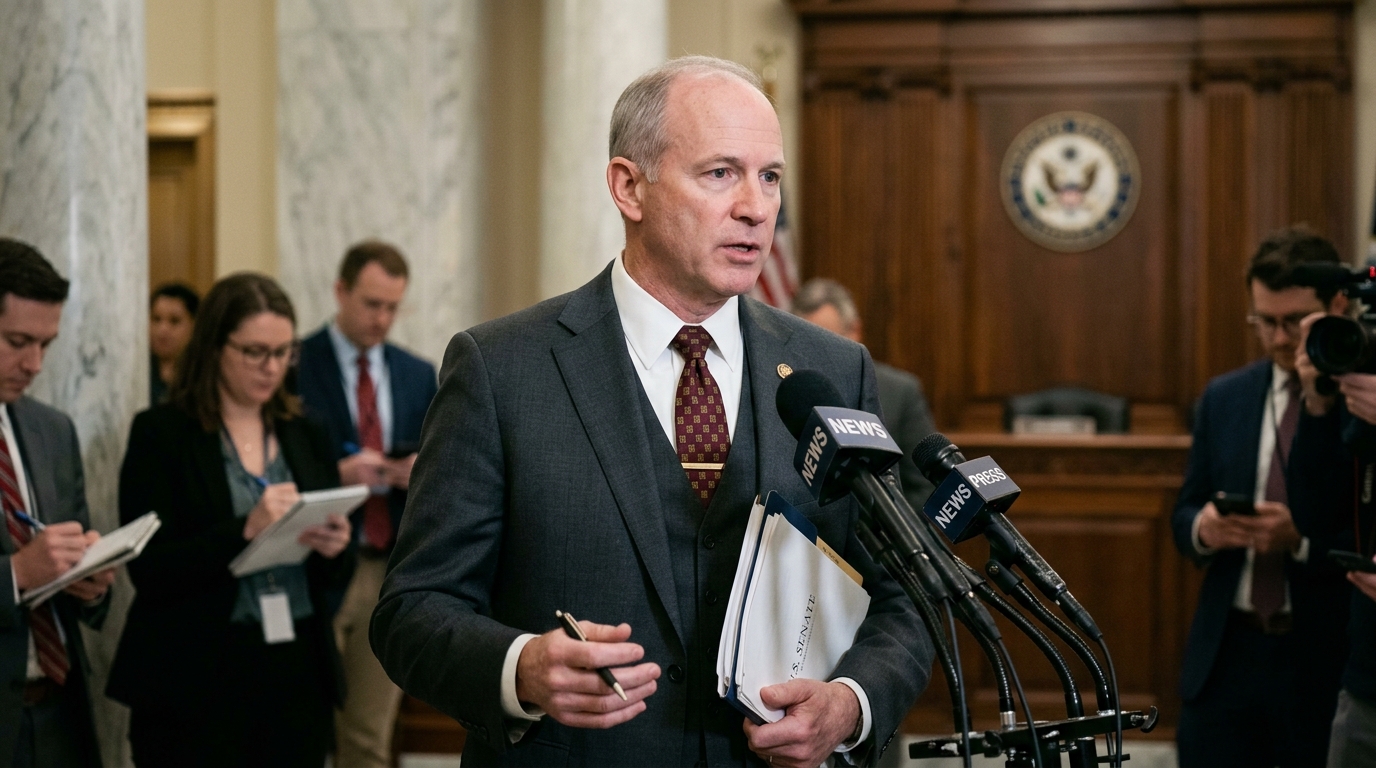
As we navigate May 2026, the American political landscape stands at a critical juncture where traditional electoral contests intersect with the rapid integration of Artificial Intelligence (AI) into public services. Recent runoff elections in Texas, the intensifying debate over AI in schools, and the high-stakes mayoral race in Los Angeles highlight a singular truth: technology is no longer a peripheral tool, but the central axis of political strategy and social organization.
The Texas Runoffs: A Litmus Test for 2026
This week’s runoff elections in Texas offered more than just a simple vote count; they revealed a deep-seated intra-party struggle over the future of governance in an automated age. Within the Republican camp, the clash between the traditional wing and MAGA movement loyalists focused heavily on border security and economic autonomy, but with a modern twist: the deployment of AI for surveillance and resource management. Conversely, Democrats are attempting to balance a progressive social agenda with the necessity for technological growth that doesn't alienate the working class.
Voter turnout in these races has been indicative of both fatigue and heightened awareness. Candidates utilized algorithmic modeling to target undecided voters with split-second precision, raising ethical questions about the nature of political communication. In a state often seen as a bellwether for national trends, Texas demonstrates that digital dominance is now the ultimate political capital.
AI in Schools: The New Educational Reality
Simultaneously, the conversation surrounding AI in classrooms has evolved from a fear of plagiarism to a focus on full-scale integration. School districts across the nation, inspired by models tested in California and Texas, are adopting "adaptive learning" systems. These platforms use AI to tailor curricula to the specific needs of individual students, promising to bridge long-standing achievement gaps.
"We can no longer teach with 20th-century methods in a world governed by algorithms," a leading education consultant told Spectrum News.
However, the challenges remain formidable. Parents are increasingly vocal about data privacy for minors and the potential for algorithmic bias. If an AI system decides a student lacks an "aptitude" for mathematics based on historical data, there is a risk of creating a self-fulfilling prophecy that limits a child's future. Legislating these systems has become a top priority for state-level policymakers who must balance innovation with equity.
The Battle for Los Angeles: Tech and Urban Governance
In Los Angeles, the mayoral race has transformed into a referendum on how technology can solve chronic urban issues like the housing crisis and traffic congestion. Candidates are pitching "Smart City" platforms where AI manages traffic flow in real-time and identifies optimal locations for affordable housing developments.
The City of Angels, with its immense economic power and sharp social contrasts, serves as the ultimate testing ground. The use of AI in predictive policing remains the most contentious issue, with candidates facing pressure from civil rights organizations regarding the transparency of the algorithms used. The outcome of this race will determine if Los Angeles becomes the blueprint for a technocratic utopia or a cautionary tale regarding the excesses of digital surveillance.
Conclusion: The Politics of Technology
The convergence of the Texas runoffs, educational reform, and the Los Angeles mayoral fight underscores a new era. Politics is no longer just about ideologies; it is about the mastery of data. As citizens choose their leaders, they are simultaneously deciding how much of their lives—from their children's education to the safety of their streets—they are willing to entrust to the "intelligence" of machines. The policy decisions made today in these local arenas will resonate far beyond 2026, shaping the very definition of democracy in the mid-21st century.