In June 2026, digital security is entering a new phase of aggressive collaboration. In a move characterized as a milestone for global cybersecurity, the world's largest tech giants—including Meta, Google, and Microsoft—have announced a broad, coordinated operation with international law enforcement agencies to dismantle criminal networks preying on Southeast Asia. This operation targets not just individual hackers, but entire "scam industries" that combine advanced technology with human trafficking and forced labor.
The Human Cost Behind Digital Fraud
For years, regions in Cambodia, Myanmar, and Laos have evolved into "grey zones" where criminal syndicates operate massive office complexes. These centers are not staffed by volunteers, but by thousands of human trafficking victims lured by false promises of tech jobs, only to be imprisoned and forced to commit "pig butchering" scams (Sha Zhu Pan). This method, which involves building long-term fake relationships with victims before financially ruining them, has cost billions of dollars globally.
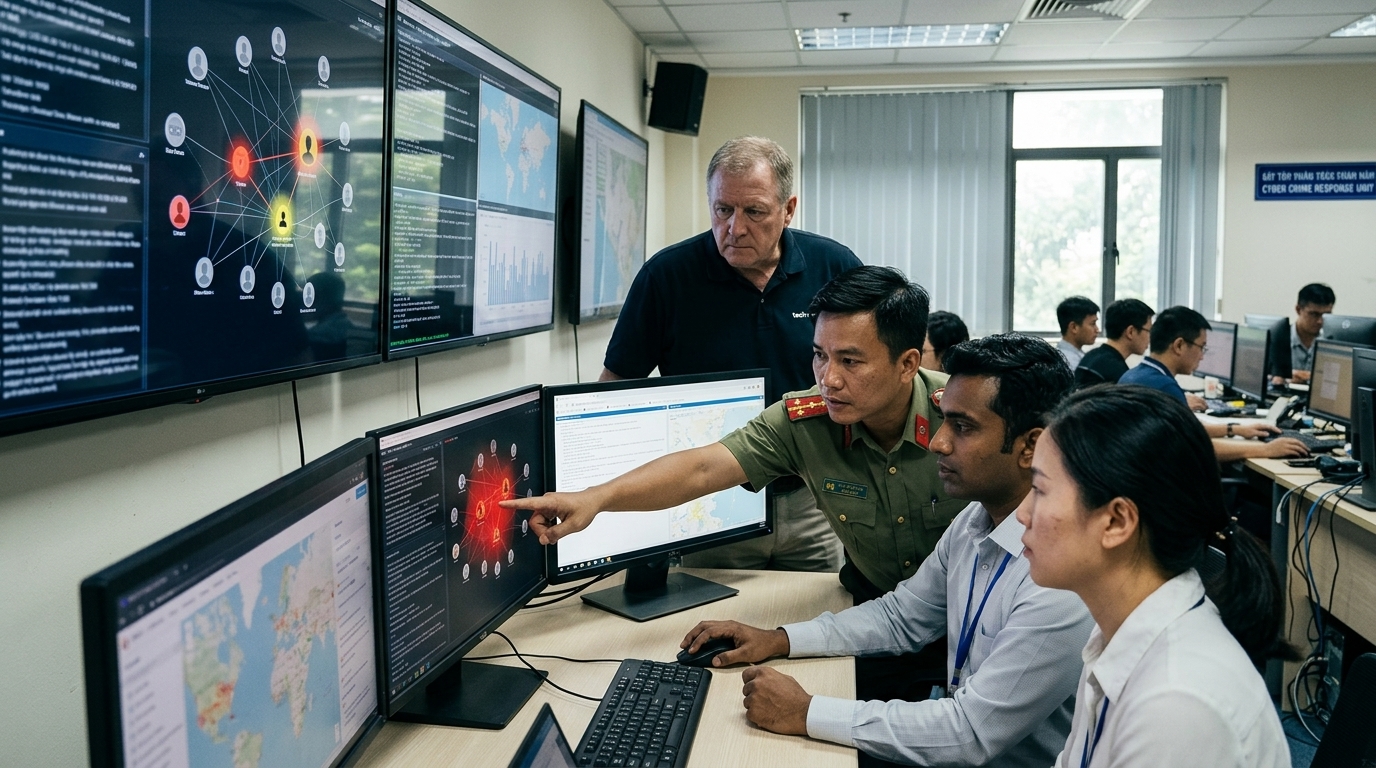
The new initiative, as outlined in Meta's recent update, marks the first time tech companies are sharing real-time data not only with each other but also with INTERPOL and local police forces. The use of Artificial Intelligence plays a central role here: machine learning models can now identify behavioral patterns suggesting the operation of a "scam farm," allowing authorities to intervene before perpetrators erase their tracks on the blockchain.
The Technological Shield: AI vs. AI
As we move into the second half of 2026, scammers have begun using sophisticated Generative AI tools to create deepfake videos and audio, making their scams terrifyingly convincing. The tech alliance is responding by developing shared detection protocols. "It's no longer a simple battle against spam," says a coalition executive. "It's an information war where the speed of signal sharing between platforms is the key to saving victims."
- Sharing digital "fingerprints" of criminal groups between Meta, Google, and Amazon.
- Automated suspension of accounts linked to known IP addresses in high-risk regions.
- Close cooperation with financial institutions to freeze crypto-assets in real-time.
The challenge remains geopolitical instability. Many of these centers operate in territories controlled by armed groups or in countries with limited state authority. The alliance's strategy, therefore, focuses on making the operation of these centers economically unviable by cutting off their access to global platforms and payment systems.
The Future of Digital Governance
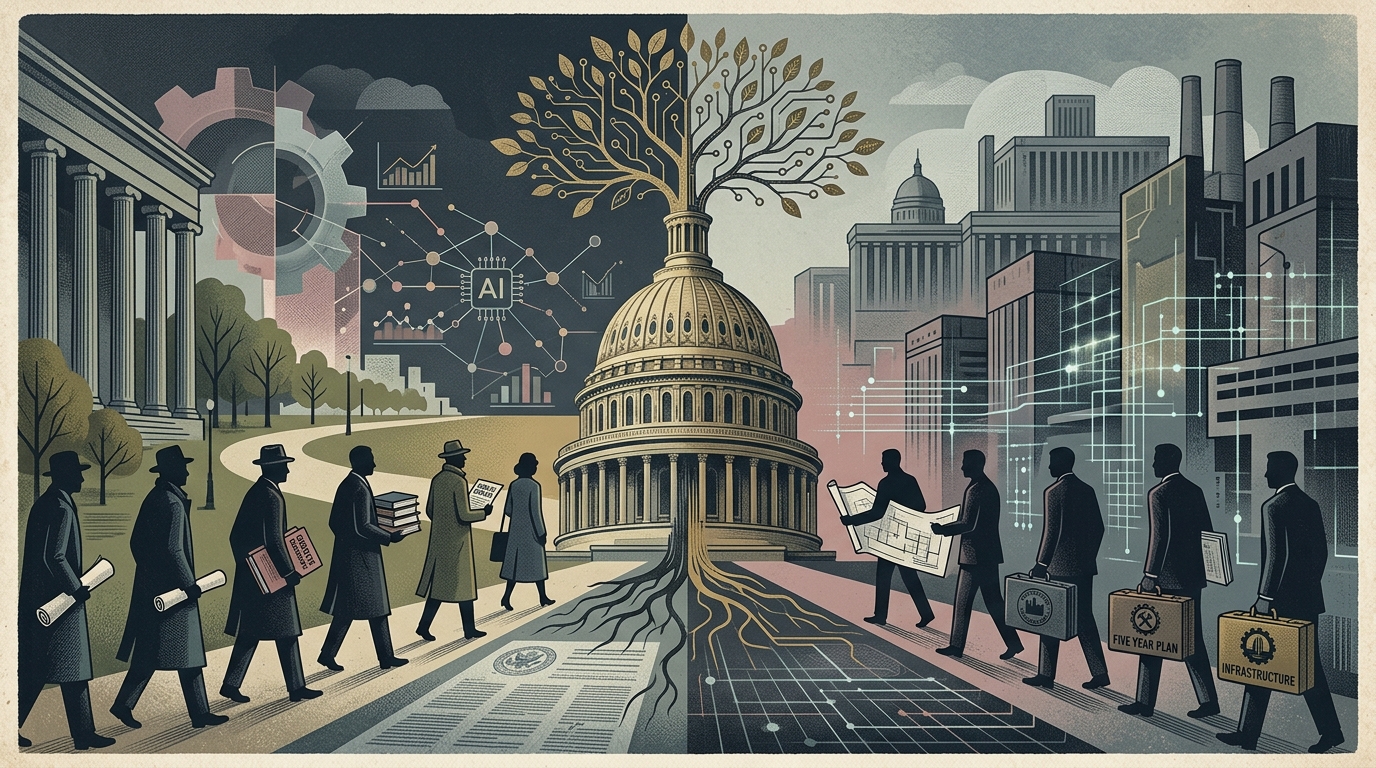
This collaboration raises a critical question for the future: How much power should tech companies have in policing the internet? While dismantling criminal organizations is undoubtedly positive, the close link between private companies and law enforcement raises concerns about privacy protection and the potential for data misuse. However, in the case of Southeast Asia, the scale of human tragedy seems to override these objections.
"Protecting our users now requires us to look beyond the boundaries of our own systems. Crime is cross-border and interoperable; our defense must be the same," Meta stated.
In conclusion, this move is an admission that no single company or state can tackle organized digital crime alone. The success of this operation will be judged not by the number of accounts closed, but by the permanent disruption of the infrastructure that allows 21st-century slavery to thrive behind glowing screens.