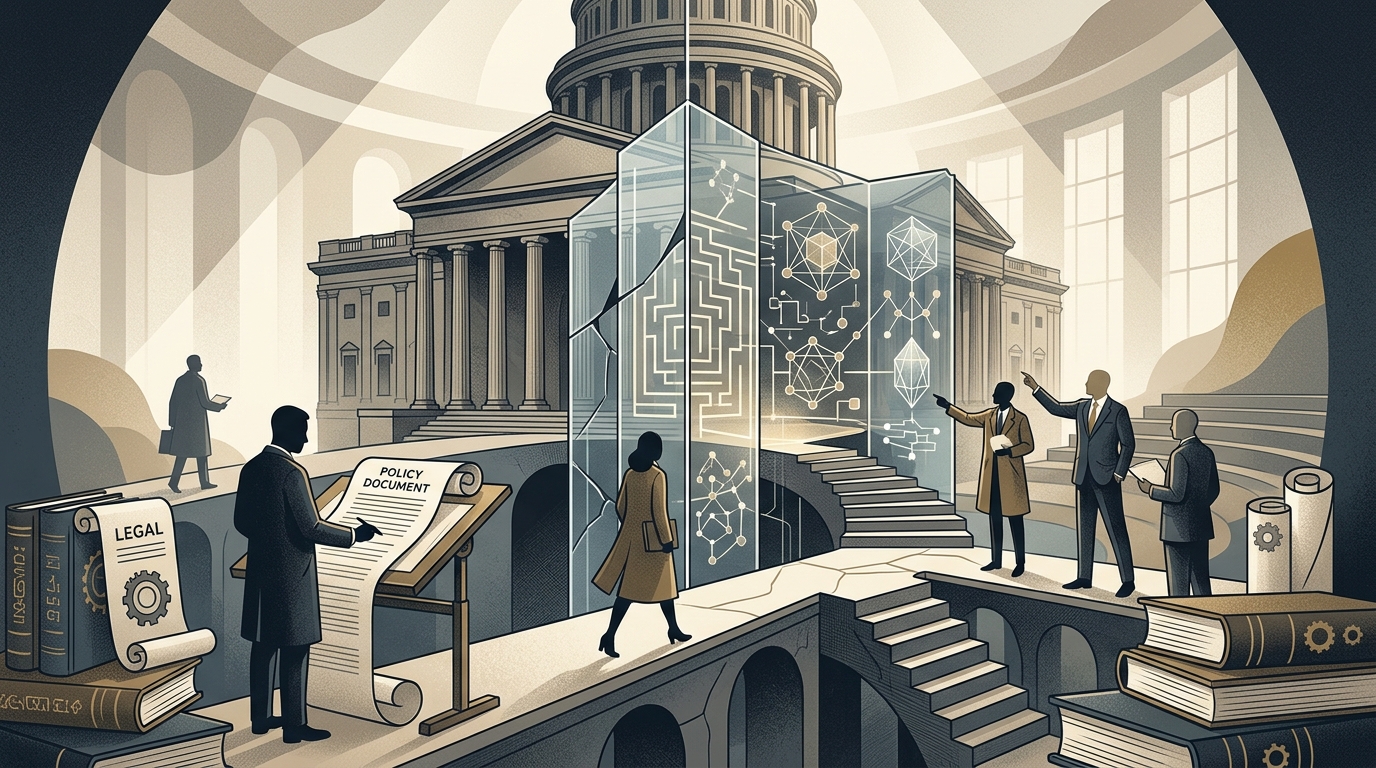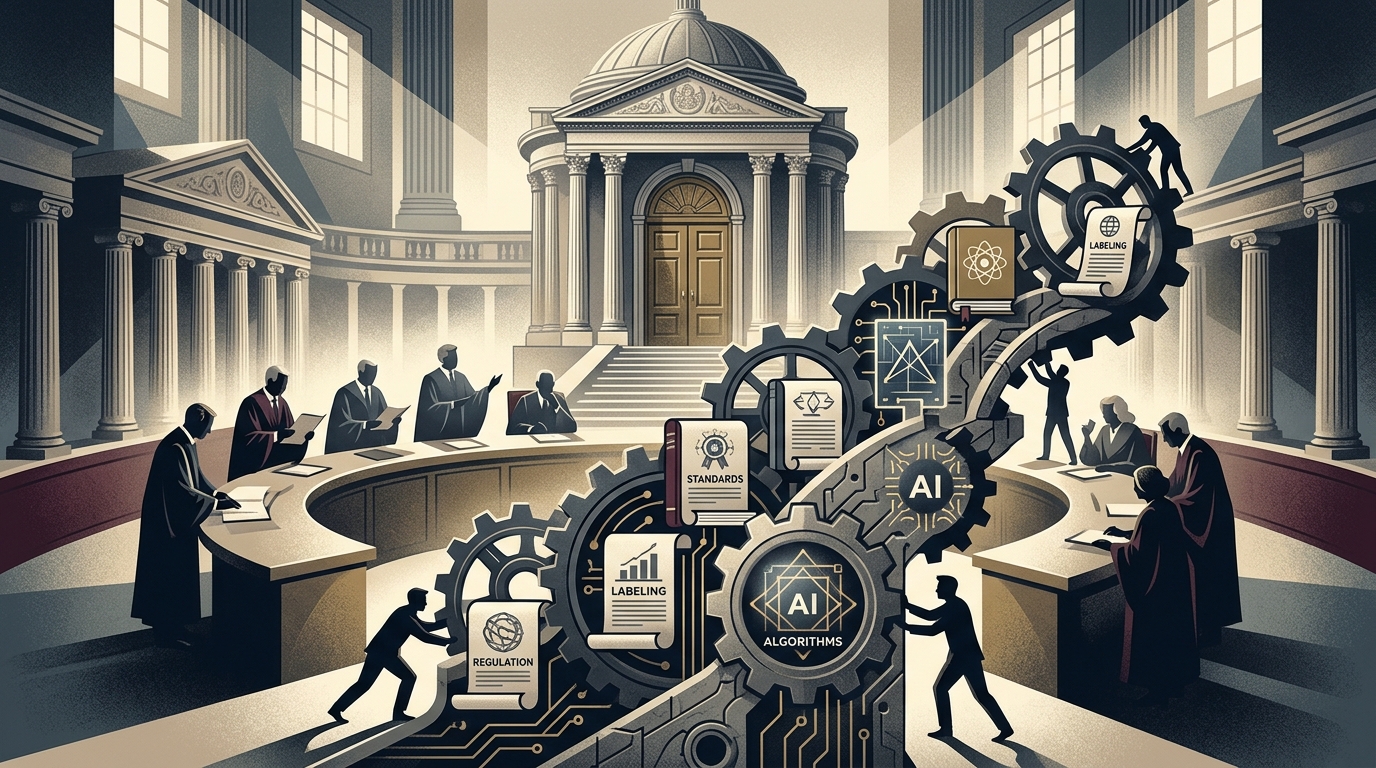
This week marks a pivotal moment in the legislative effort to keep pace with the meteoric rise of Artificial Intelligence. As technology advances at a speed that often outstrips the comprehension of regulatory bodies, a series of new bills have taken center stage in Washington, focusing on three core pillars: labeling AI-generated content, establishing safety standards for the private sector, and ensuring the transparency of training data.
The Battle Against Digital Deception: AI Content Labeling
One of the most pressing issues is the need for clear labeling of any content produced by AI. With global elections looming, the fear of deepfakes and orchestrated misinformation campaigns has spurred lawmakers into action. The proposed bills suggest mandatory digital watermarking and metadata that would inform users whether the media they are consuming is the product of human creativity or algorithmic generation.
However, implementing such measures is far from straightforward. Technical hurdles abound, as watermarking methods can often be bypassed or stripped by sophisticated actors. Furthermore, questions regarding free speech and creative expression arise: could mandatory labeling inadvertently chill satire or artistic innovation? The challenge for Congress is to strike a balance between protecting the integrity of truth and avoiding overreach into the digital commons.
NIST Standards and the Private Sector
Until recently, many AI safety standards were either voluntary or limited to government agencies. The new legislative push seeks to expand the role of the National Institute of Standards and Technology (NIST), effectively turning its voluntary frameworks into benchmarks for the private sector. This implies that companies developing or deploying high-stakes AI systems would need to conduct rigorous risk assessments and prove their algorithms do not perpetuate bias or pose systemic risks.
This shift indicates that the era of "self-regulation" for Big Tech is drawing to a close. Lawmakers are increasingly viewing AI not just as a productivity tool, but as critical infrastructure requiring the same level of oversight as nuclear energy or aviation. Compliance with these standards is expected to become the new "gold standard" for corporate reliability in the global marketplace.
The Transparency Mandate for Foundation Models
Another critical front is the transparency of foundation models. Legislators are pushing for the disclosure of data sources used to train massive models like GPT-4 or Claude. The issue of copyright remains a contentious point, as creators across the globe find their work used without consent to train systems that may eventually displace them.
- Mandatory reporting on the use of copyrighted material in training datasets.
- Establishment of protocols for reporting model errors and "hallucinations."
- Stricter export controls on AI technology to nations deemed strategic adversaries.
In conclusion, this week's legislative momentum underscores the urgent need for a robust governance framework. Artificial Intelligence can no longer operate in a legal vacuum. Whether it is protecting election integrity or ensuring data privacy, the state is assuming an active role as a regulator and guarantor of ethical technology use. The coming months will determine if these bills can survive the political gauntlet and provide the necessary safeguards for a future defined by AI.