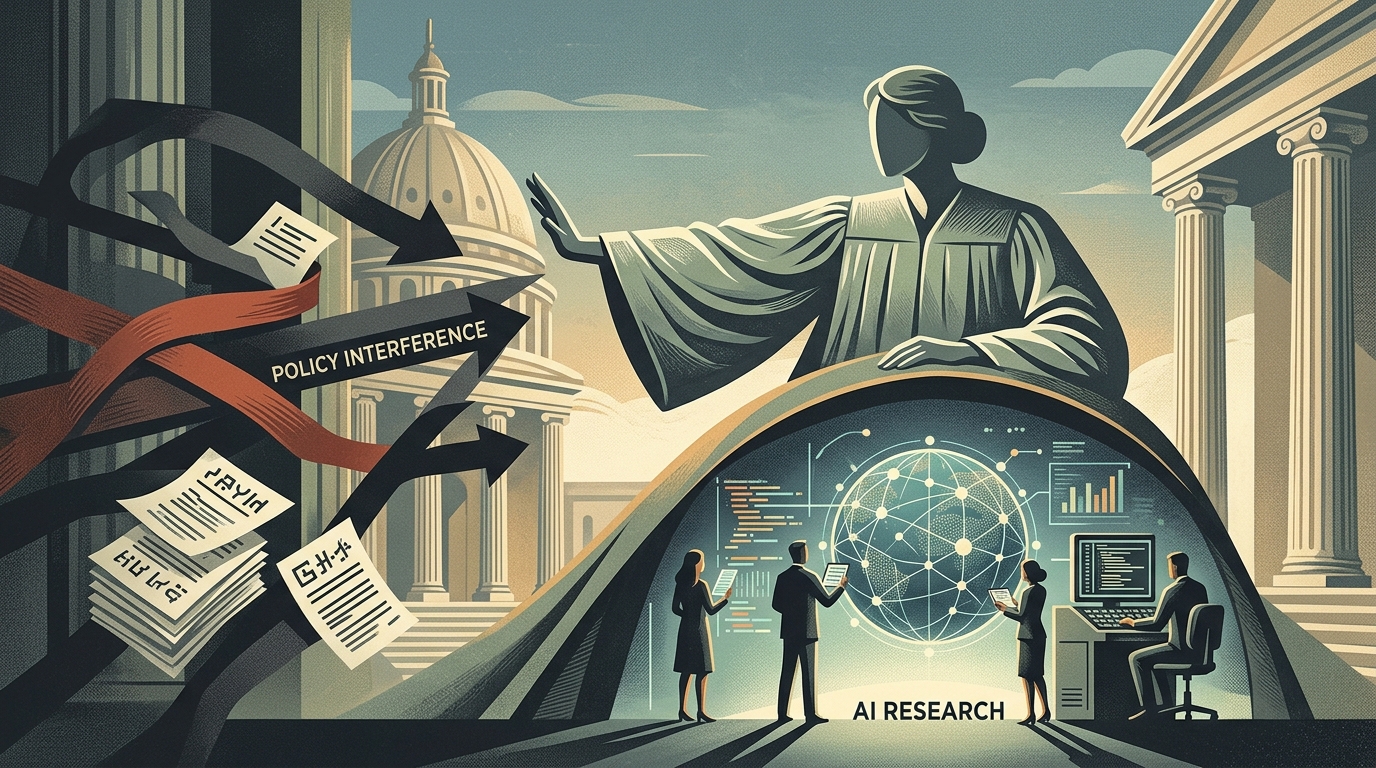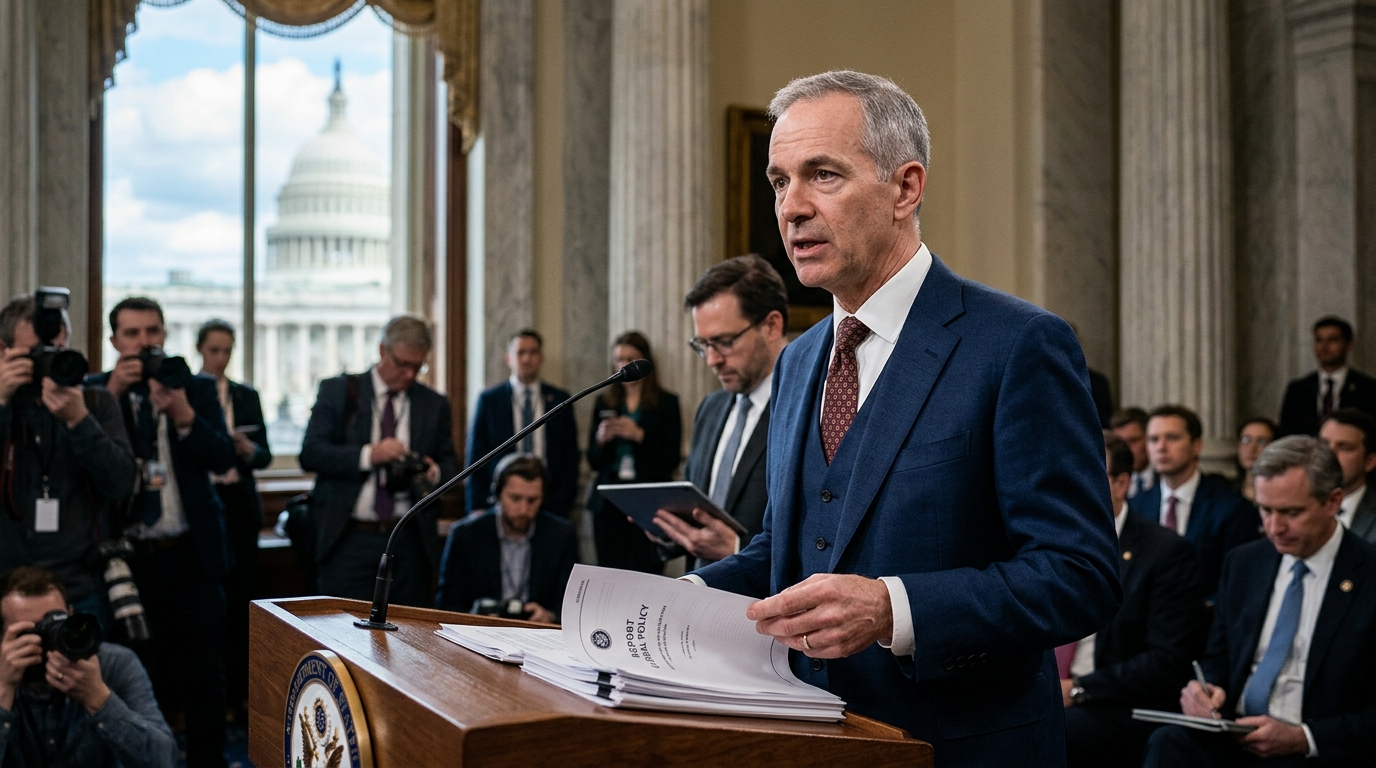
In an era where digital truth feels increasingly fluid, Campbell Brown, Co-Founder and CEO of Forum AI, posed a critical question during her interview with Bloomberg: Can AI companies remain closed "black boxes" while simultaneously managing the tools that shape public opinion?
The discussion, which took place on Bloomberg's "The Close" with Romaine Bostick, was more than just a corporate presentation. It was a call to action at a moment when the world is bracing for a new cycle of electoral contests in 2026, where artificial intelligence is no longer a future threat but a present reality. Brown, a former Meta executive and CNN journalist, is well aware of how technology can be weaponized.
The Necessity of Open Scrutiny and Transparency
Brown’s central argument revolves around the concept of scrutiny. According to her, the era when tech giants could simply say "trust us" has passed. Forum AI is advocating for a model where the algorithms and datasets used for political communication must be accessible to independent researchers and regulatory bodies.
- Transparency is no longer optional but a prerequisite for operating in democratic environments.
- Companies must prove that their models do not amplify polarization.
- External audits serve as a vital safeguard against algorithmic manipulation.
Brown emphasized that Forum AI seeks to lead by example by opening its processes to third parties. "If we don’t allow people to look under the hood," she noted, "then we cannot complain when public trust collapses."
Deepfakes and the Erosion of Truth
One of the most concerning points of the interview involved the ease with which Generative AI can manufacture alternative realities. In 2026, deepfakes are no longer amateurish videos but sophisticated psychological influence tools that can mimic a political leader’s voice and mannerisms with absolute precision.
"The problem is not just that people will believe the lie, but that they will stop believing the truth," Brown argued.
This "erosion of reality" represents the greatest danger to electoral processes. When a voter cannot distinguish an authentic statement from a fabricated one, the foundation of democratic choice is shaken. Forum AI suggests the adoption of digital watermarks and blockchain technology to verify content provenance, but Brown admits that technology alone is not enough.
The Political Responsibility of AI Firms
The conversation quickly turned to the role of regulators. While the European Union has made strides with the AI Act, the United States remains in a more fragmented landscape. Brown argued that companies themselves must lead the effort for self-regulation before governments impose laws that might stifle innovation.
However, there is a delicate balance. Forum AI, as a company operating in the political technology sector, is at the heart of this conflict. The challenge is to provide tools that help politicians communicate effectively without enabling mass disinformation. Brown insists that the ethical use of AI in politics requires a "social contract" between technology, politics, and citizens.
In closing, the Forum AI CEO reminded the audience that artificial intelligence is a mirror of our society. If our political processes are already toxic, AI will simply accelerate that toxicity. The solution, therefore, is not just technical but deeply cultural and political. Transparency is the first step toward ensuring that digital transformation does not become the tombstone of democratic discourse.