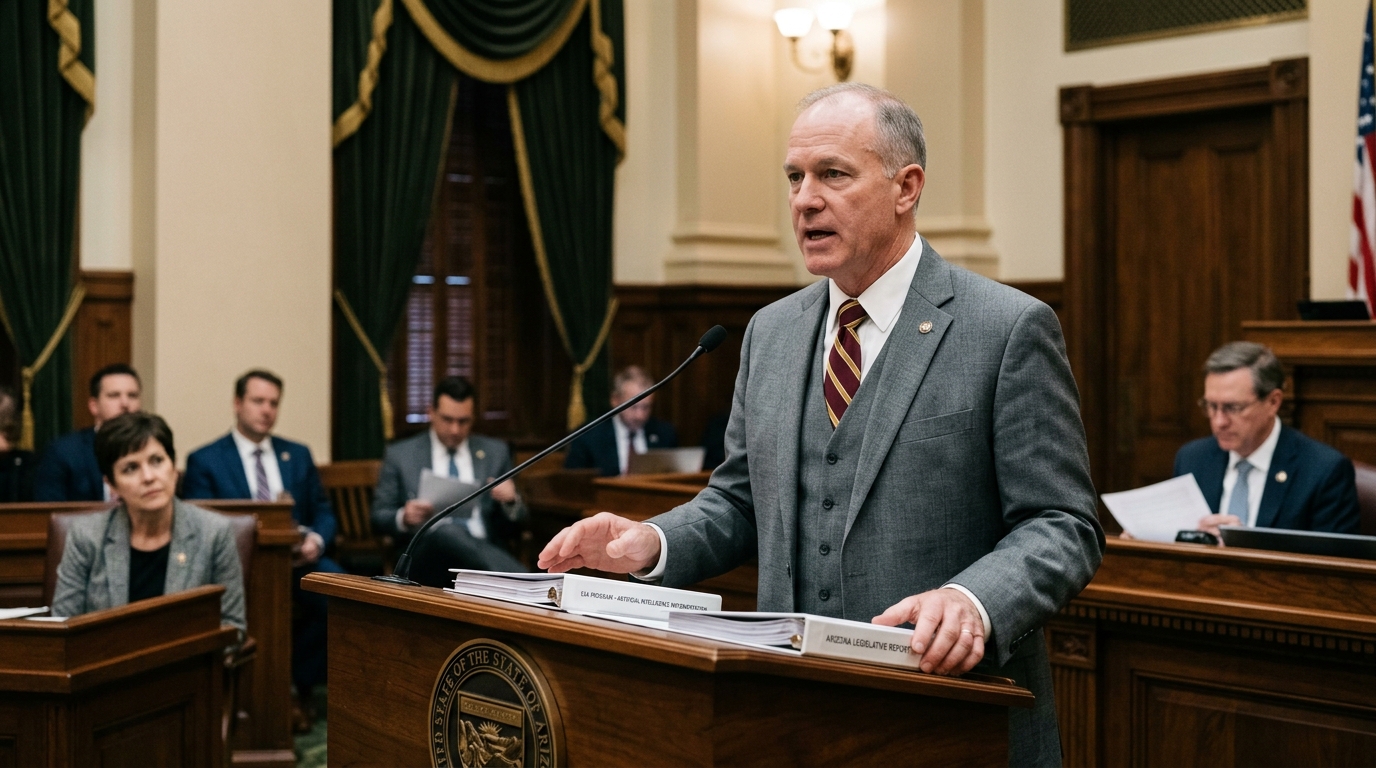
In the heart of the Arizona desert, a new form of political friction is emerging—not over water rights or border security, but over algorithms. The Empowerment Scholarship Accounts (ESA) program, the state’s flagship universal school choice initiative, has become the epicenter of a fierce internecine struggle within the Republican Party. The stakes? Credit for introducing Artificial Intelligence into the management of a system that was once drowning in administrative red tape.
The use of AI in state administration is no longer a theoretical scenario; it is a daily reality affecting thousands of families. In Arizona, the ESA program allows parents to use public funds for private schooling, homeschooling, and other educational expenses. However, the program’s massive popularity led to a logistical nightmare of approval delays and reimbursement backlogs, until AI was deployed to streamline the process.
The Technological Solution as a Political Trophy
The clash erupted when various candidates for the upcoming elections began vying for ownership of the idea. On one side, the current leadership of the Arizona Department of Education highlights the successful integration of AI tools as evidence of administrative prowess. On the other, legislators and primary challengers within the GOP claim they were the ones who exerted the necessary pressure or proposed the specific technological direction when the system was on the verge of collapse.
In this instance, AI was used not just for record-keeping, but for auditing the eligibility of expenses. With thousands of requests arriving daily—ranging from tuition fees to specialized extracurricular equipment—human auditors were unable to keep pace. The AI system implemented can recognize receipts, cross-reference data with program regulations, and approve or deny expenses in fractions of a second. This newfound efficiency is what every candidate now wants to claim as their own.
A Collision of Ideology and Practicality
Beyond personal branding, this dispute reflects a deeper debate within conservative circles regarding the role of technology in governance. ESA proponents see AI as the ultimate ally of the free market in education: it reduces the size of the state bureaucracy and accelerates service delivery to citizens. However, critics within the party warn of "algorithmic tyranny," fearing that an over-reliance on AI could lead to arbitrary denials of expenses without sufficient human oversight.
The candidates clashing in the pages of the Arizona Capitol Times do not disagree on the value of the ESA program itself, which remains a sacred cow for the Republican base. Instead, they disagree on who is the most "modern" and "efficient" administrator. In an era where voters demand results rather than just promises, the ability to showcase a functioning technological solution is a powerful campaign asset. AI is being transformed from a productivity tool into a tool for political survival.
Transparency and Public Funds
One of the thorniest issues raised in the debate is transparency. While AI has accelerated processes, some candidates accuse the current administration of "hiding" behind the algorithm to avoid accountability for controversial expense approvals. The discussion over who is to blame when AI fails—or who wins when it succeeds—is the new frontier of political responsibility.
Arizona’s ESA program is taxpayer-funded, and every dollar spent is under intense scrutiny. Using AI to track these funds is a double-edged sword. If the AI proves to be incorruptible, the politician who implemented it will be seen as a hero of fiscal discipline. However, if security flaws or algorithmic bias are discovered, the political fallout will be immense for whoever rushed to take the credit.
The Future of Digital Governance
As the primary season heats up, the battle over AI in Arizona offers a preview of the future. Technology is no longer a neutral field; it is the new battleground where leadership capabilities are tested. GOP candidates are not just fighting over an application; they are fighting over who defines the model of conservative governance in the 21st century.
In conclusion, the Arizona case demonstrates that Artificial Intelligence has definitively entered the political agenda. It is no longer a question of whether it will be used, but who will control it and who will reap the rewards of its success. Arizona voters will have to decide whether they trust the person who promises the technology or the person who promises to keep the technology in check.