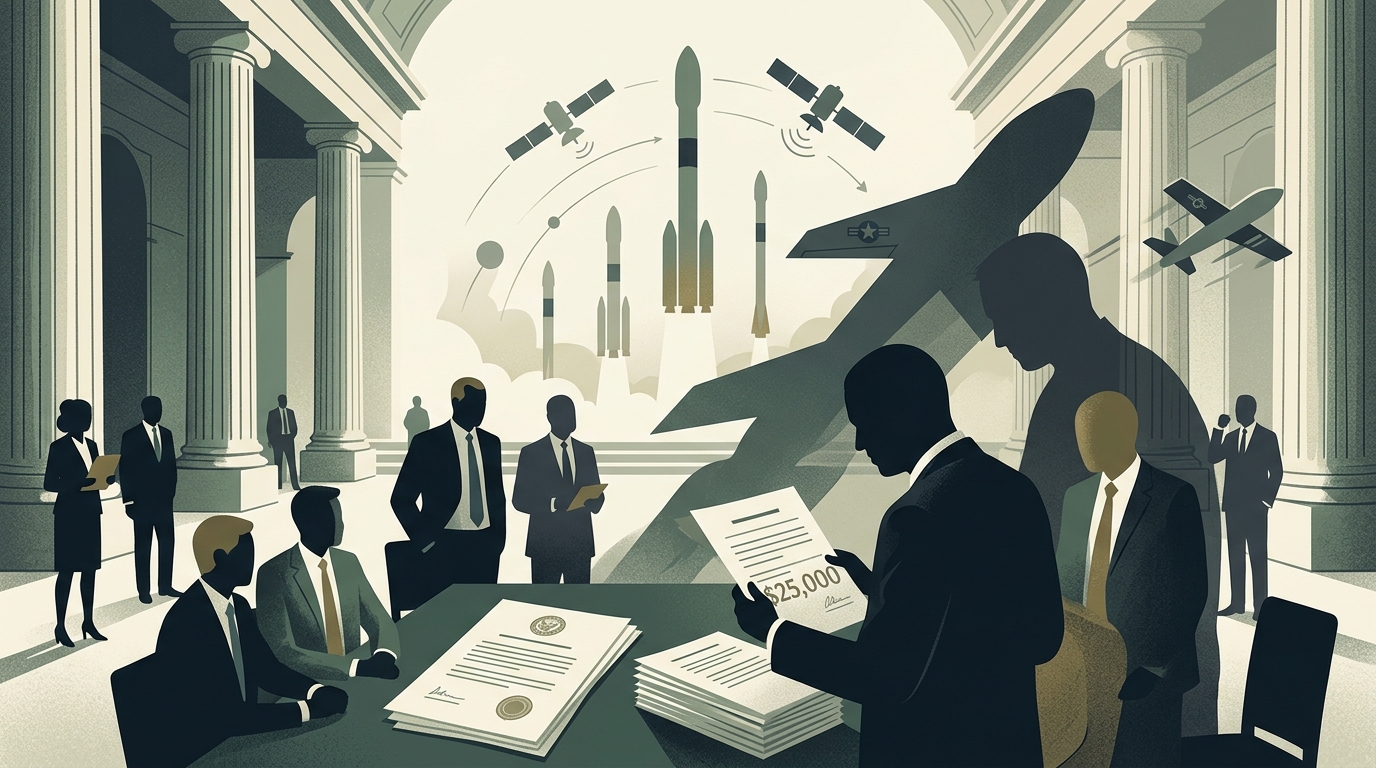
The relationship between Elon Musk and the U.S. defense establishment has always been a delicate balance between admiration for innovation and suspicion regarding a lack of oversight. However, recent revelations about SpaceX's pricing policy for its military-grade Starshield network appear to be shifting the landscape. According to reports surfacing this week, the company is now charging up to $25,000 per connection for the operation of U.S. Army "suicide drones" (loitering munitions), a price point five times higher than previous agreements.
Starshield Strategy and the Cost of Modern Warfare
Starshield is not merely a military version of Starlink. It is a specialized constellation of satellites offering high-level encryption, in-space data processing, and enhanced resilience against electronic jamming. For the Pentagon, this technology is currently irreplaceable. Modern drones, particularly those intended for precision strikes in contested environments, require constant, uninterrupted, high-bandwidth connectivity to stream real-time video and receive commands.
The price hike to $25,000 per terminal does not just cover the hardware; it primarily covers the provision of service in high-risk environments. Analysts point out that SpaceX is leveraging the fact that no alternative provider can currently offer the same global coverage with such low latency. This creates a unique monopoly on the battlefield, where private enterprise dictates the terms of state defense spending.
Pentagon Dependency and the "Ukraine Ghost"
Friction between SpaceX and the U.S. Department of Defense is not new. The precedent set in Ukraine, where Musk threatened to cut Starlink funding for Ukrainian forces, remains fresh in the minds of military planners in Washington. At the time, that move was interpreted as an attempt by a private citizen to conduct foreign policy, an action that drew bipartisan ire in Congress.
In the current phase, the dissatisfaction is primarily financial. "The Pentagon is used to paying a premium to traditional contractors like Lockheed Martin and Raytheon, but there is a framework for cost control there," says a defense industry source. "With Musk, the rules seem to be rewritten every morning." Dependency on Starshield for loitering munitions makes the U.S. military vulnerable not just to technical failures, but to business decisions made in a boardroom in Texas or California.
The Ethical and Political Dimensions of Tech Supremacy
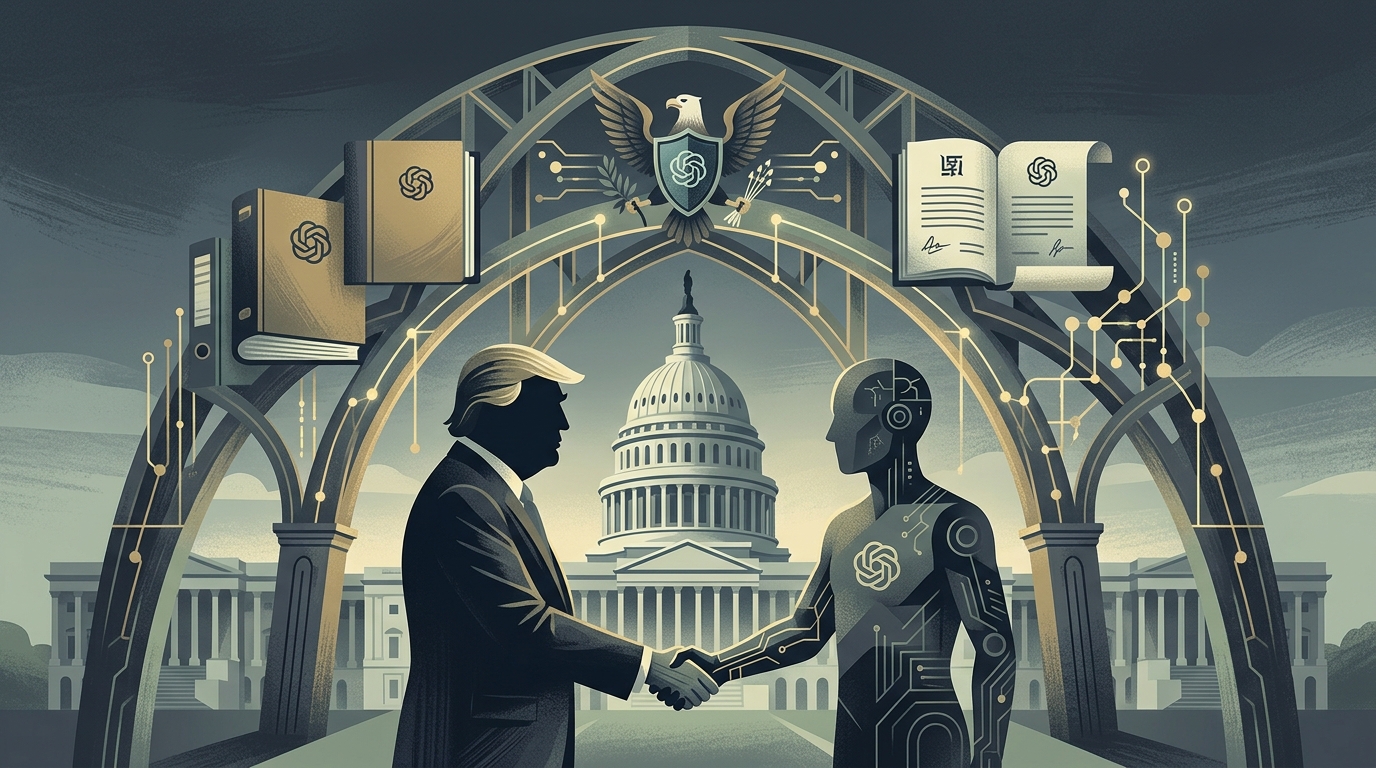
Beyond the financial aspect, the case raises serious questions about democratic accountability. When a state's critical infrastructure—especially its wartime assets—belongs to a single individual with his own agenda, the concept of national sovereignty becomes blurred. Suicide drones are weapons that change the nature of warfare, reducing the human cost for the aggressor while increasing strike effectiveness. Their reliance on Musk's network means that the effectiveness of the U.S. arsenal depends on whether SpaceX deems the contract sufficiently profitable.
- The rising power of Big Tech in national security sectors.
- The Pentagon's struggle to develop competitive in-house solutions rapidly.
- The role of profitability during humanitarian or military crises.
In conclusion, SpaceX's move to hike Starshield prices serves as a stark reminder that in the age of digital sovereignty, power is measured not just in missiles, but in megabits per second. The Pentagon must now decide whether to continue paying the "Musk tax" or invest billions to regain control over its space-based communications.