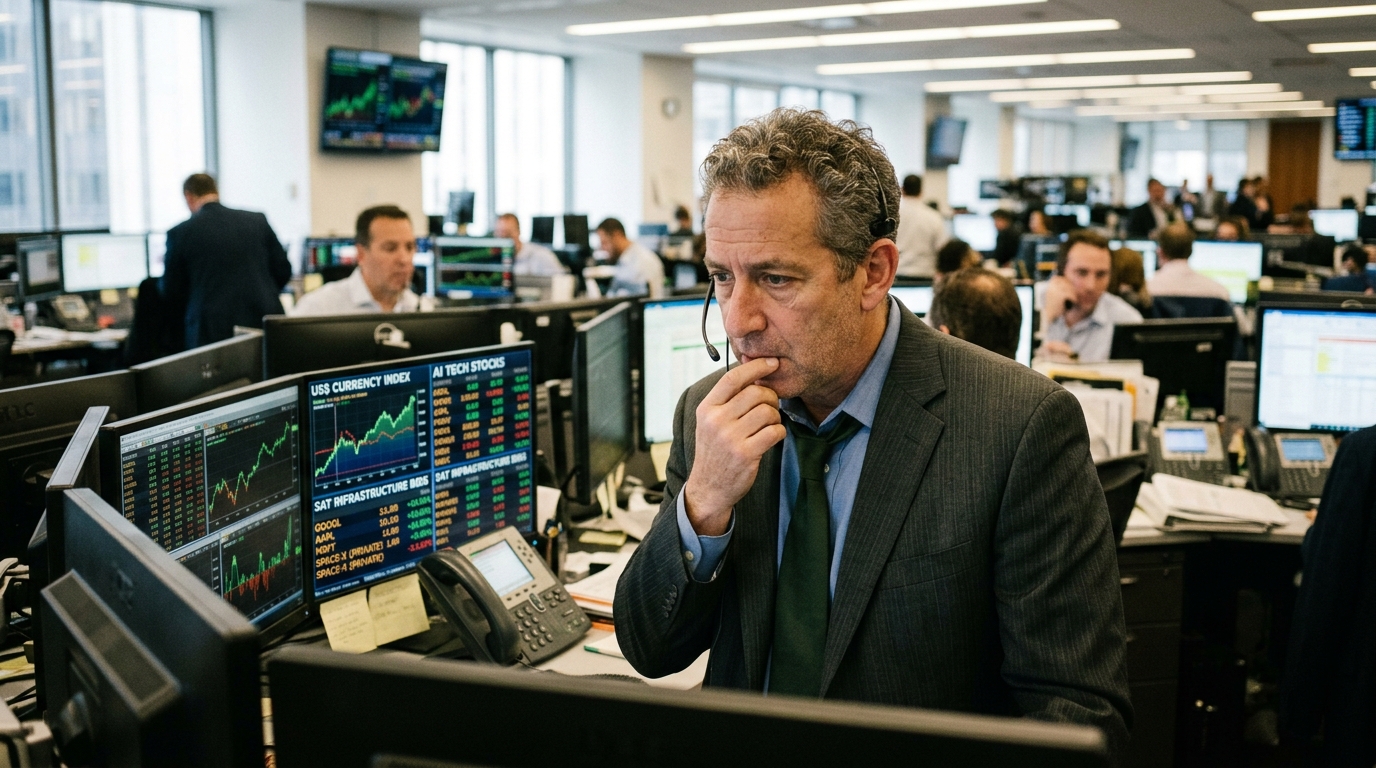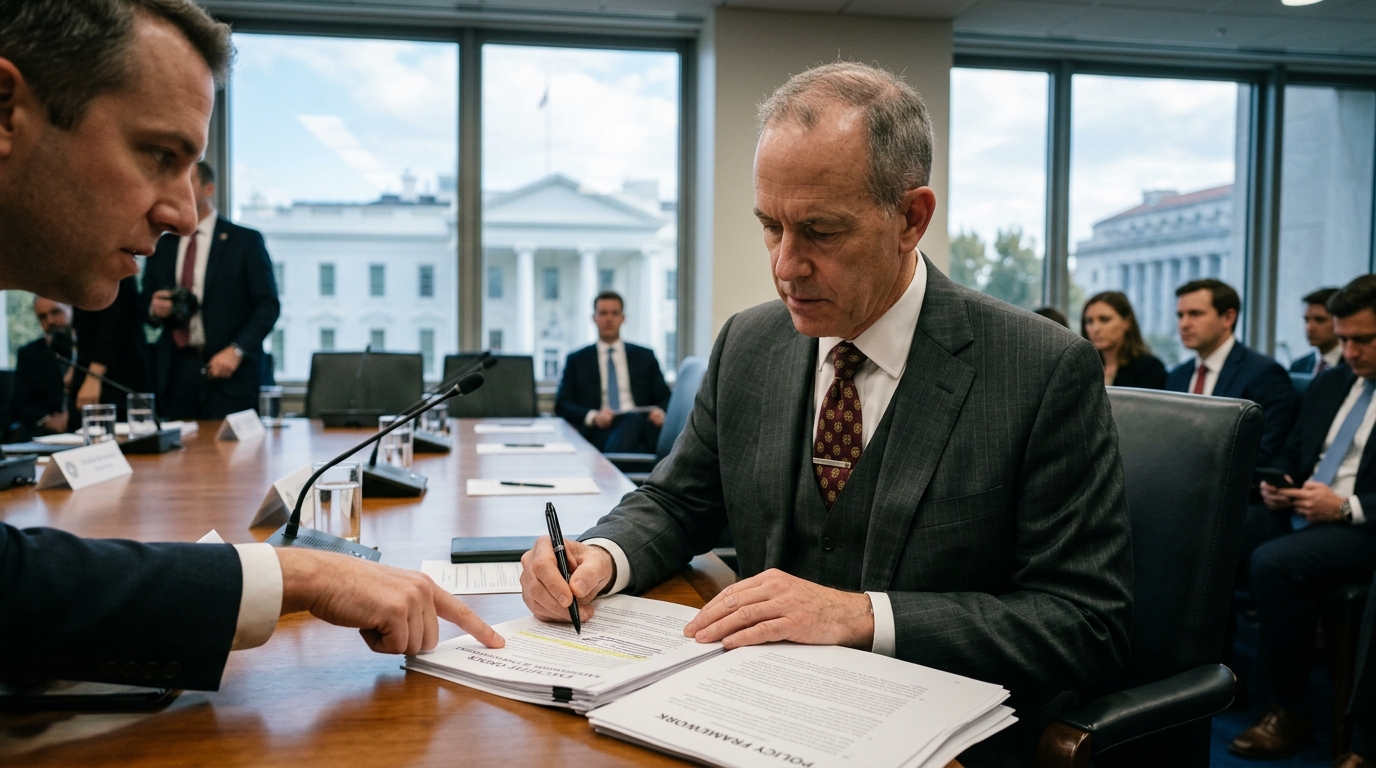
In an era where artificial intelligence is radically transforming the global financial ecosystem, Singapore, one of the world's premier financial hubs, is taking proactive measures. The Association of Banks in Singapore (ABS) recently announced that it is closely monitoring potential threats stemming from so-called 'frontier AI' models—the most advanced, general-purpose AI systems that exceed the capabilities of today's standard applications.
The Nature of the Threat: From Deepfakes to Systemic Instability
The ABS's concern is far from theoretical. Frontier models, such as OpenAI's GPT-4, Anthropic's Claude, and Google's Gemini, offer unprecedented capabilities but simultaneously open the door to sophisticated forms of cybercrime. The use of AI to create highly convincing deepfakes—both audio and video—poses an immediate threat to banks' identity verification processes. Imagine an attack where a CEO's voice is perfectly replicated to authorize an illicit multi-million dollar transfer.
Furthermore, the ABS highlights the risk of 'automated spear-phishing.' While phishing attacks were once easily identifiable due to poor grammar and generic messaging, AI now enables the mass production of highly personalized, flawless messages targeting bank employees, dramatically increasing the success rate of data breaches.
Regulatory Readiness and Collaboration
Singapore has already established itself as a leader in AI governance with its 'Model AI Governance Framework.' However, the sheer speed of frontier AI evolution requires more than static frameworks. The ABS is now collaborating with the Monetary Authority of Singapore (MAS) to develop dynamic monitoring tools. The strategy includes 'Red Teaming' exercises, where security experts conduct controlled attacks on banking systems using frontier AI to identify vulnerabilities before criminals can exploit them.
"Artificial intelligence is a double-edged sword. While it can enhance fraud detection, it can also become the ultimate tool for fraudsters," sources close to the ABS noted.
Singapore's approach also focuses on 'algorithmic transparency.' Banks are being urged to understand not just what an AI model decides, but how it reaches that decision, especially regarding loan approvals or risk management, to prevent chain reactions that could lead to financial instability.
The Global Dimension and the Path Forward
Singapore's move is not an isolated incident. It aligns with global efforts, such as the European Union's AI Act and G7 guidelines. However, Singapore's distinctiveness lies in its speed of response and the tight-knit collaboration between the public and private sectors. The ABS warns that if banks do not invest in 'defensive AI' now, they will find themselves at a disadvantage against malicious actors who now have access to state-level computing power.
In conclusion, the ABS's monitoring of frontier models represents a critical step in ensuring financial stability in the digital age. The challenge remains: how to protect the system without stifling the innovation that AI offers in customer service and market efficiency. The future of banking depends on finding this delicate equilibrium.