The meteoric rise of artificial intelligence (AI) has transcended the realm of technological novelty, evolving into a systemic challenge that tests the limits of existing legal and ethical frameworks worldwide. Following recent reports from SBS Australia, it is increasingly evident that the 'Wild West' era of AI development is drawing to a close. The calls for stricter regulation are no longer confined to academic circles or digital rights activists; they are now a primary concern for governments wary of the technology's impact on social cohesion, democratic integrity, and public safety.
Australia as a Microcosm of Global Anxiety
In Australia, the national discourse has shifted toward the necessity of mandatory safety standards, particularly for high-risk AI applications in healthcare, law enforcement, and critical infrastructure. The government is contemplating rigorous oversight for companies developing foundational models, demanding transparency in algorithmic decision-making and clear labeling for machine-generated content. SBS Australia highlights a growing public skepticism, with citizens demanding protection against deepfakes and algorithmic bias, especially as the threat of disinformation looms over democratic processes.
- Mandatory transparency regarding training datasets.
- Strict watermarking for AI-generated visual and auditory content.
- Prohibitions on real-time biometric surveillance in public spaces.
- Corporate liability for discriminatory outcomes produced by algorithms.
The EU Model vs. Washington’s Pragmatism
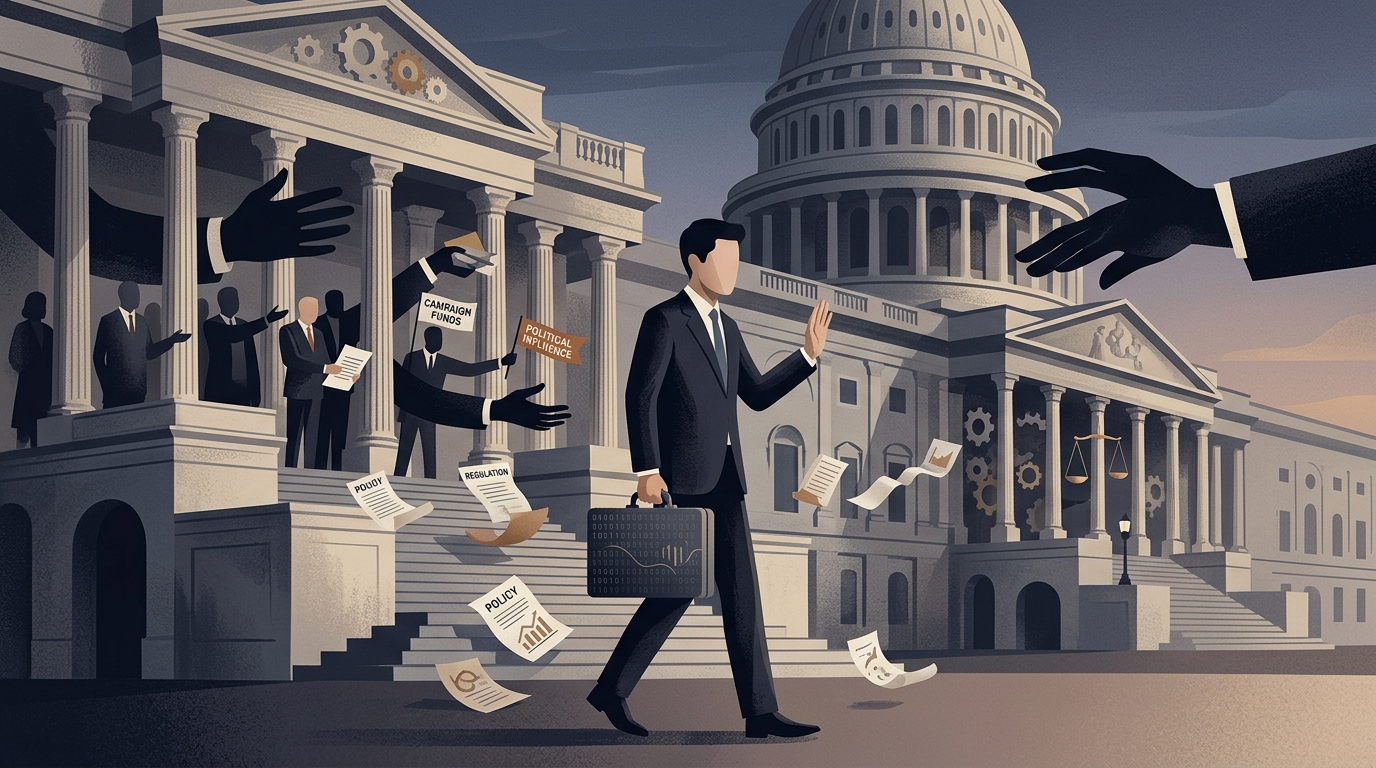
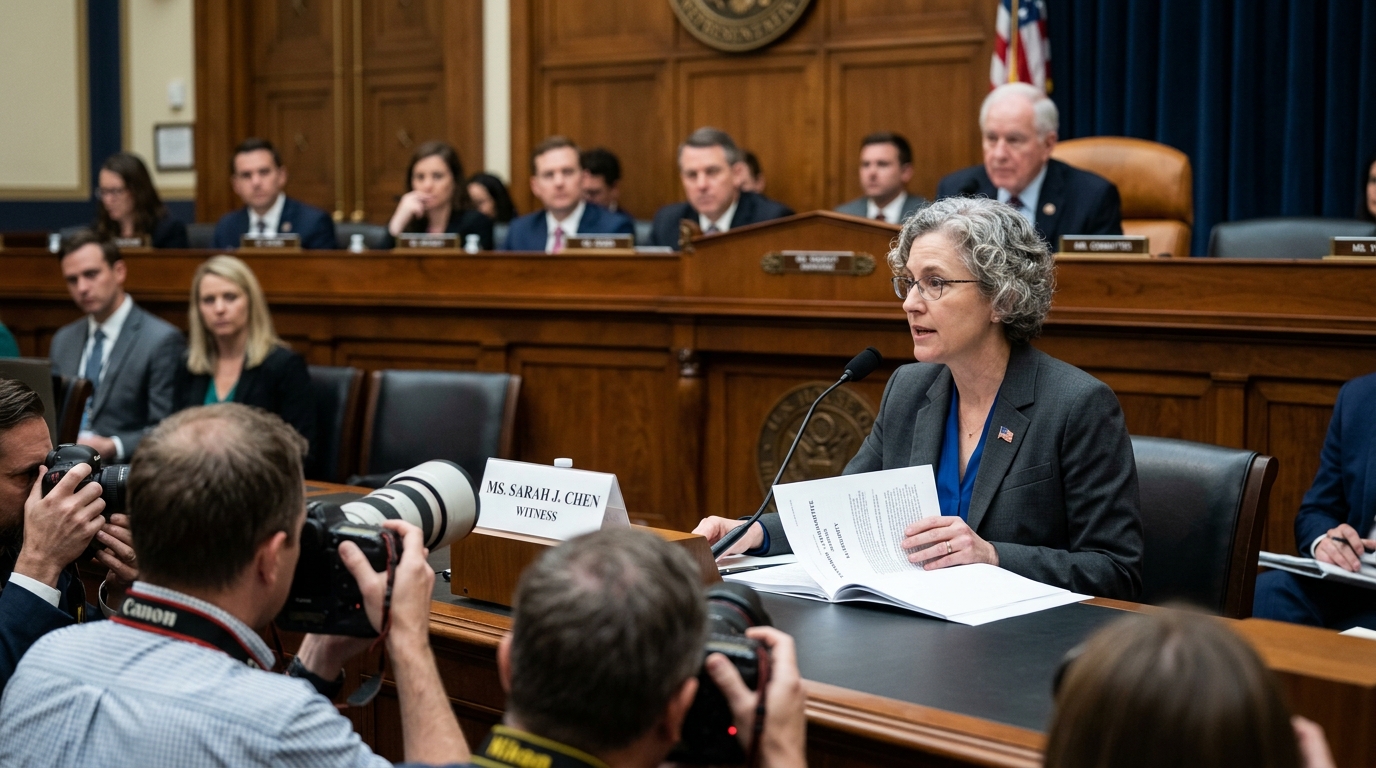
While Australia charts its own course, the European Union remains the global vanguard of regulation with its landmark AI Act. The EU’s risk-based approach—categorizing AI systems from 'unacceptable' to 'low risk'—serves as a blueprint for nations seeking to balance ethics with utility. Conversely, the United States has historically favored a more flexible path, relying on executive orders and voluntary commitments from Big Tech. However, the tide is turning in Washington. Concerns regarding national security and the geopolitical race with China are fueling a bipartisan push for federal legislation that ensures AI safety without ceding technological leadership.
"Regulating AI is not an anchor on progress; it is the necessary seatbelt for a high-speed journey into an uncertain future," notes a leading policy analyst.
The Risks of Inaction and the Path Forward
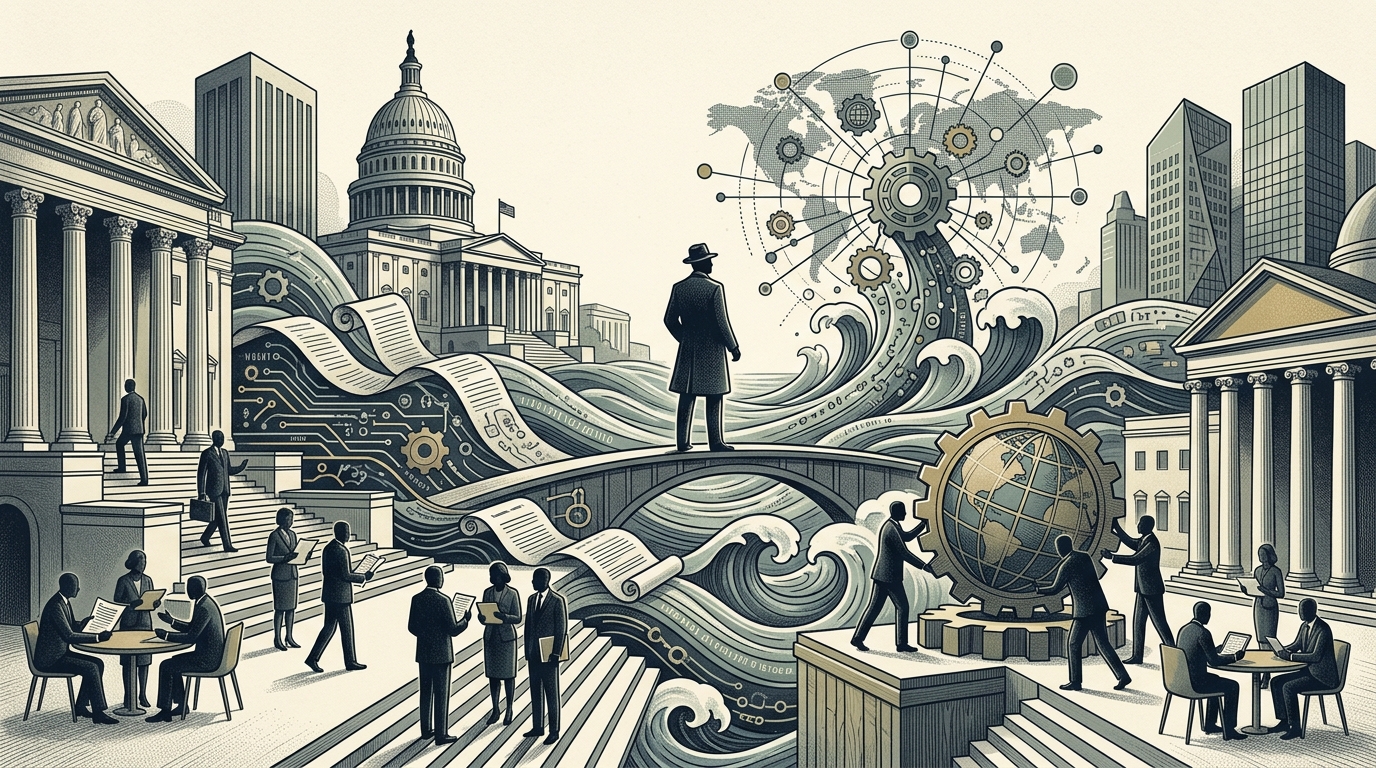
The cost of regulatory inertia is potentially catastrophic. Perhaps the most immediate threat is the erosion of epistemic trust. In an era where audio and video can be synthesized with terrifying precision, the very concept of objective truth is under siege. Furthermore, the concentration of power within a handful of trillion-dollar corporations creates a monopolistic landscape that could stifle local innovation and exacerbate global inequality. International cooperation is no longer optional. AI operates beyond borders, and its governance requires a coordinated global effort akin to international climate agreements.
As we move through 2026, we are witnessing the beginning of a legislative counter-offensive. The pressures documented by SBS Australia are symptomatic of a global realization: technology must be steered by human values, not just market forces. The challenge for policymakers lies in crafting frameworks that are robust enough to mitigate harm, yet agile enough to foster the breakthroughs AI promises in fields like oncology, climate modeling, and economic efficiency. The coming months will determine whether we control the machine, or whether the machine's unbridled growth dictates the terms of our social contract.