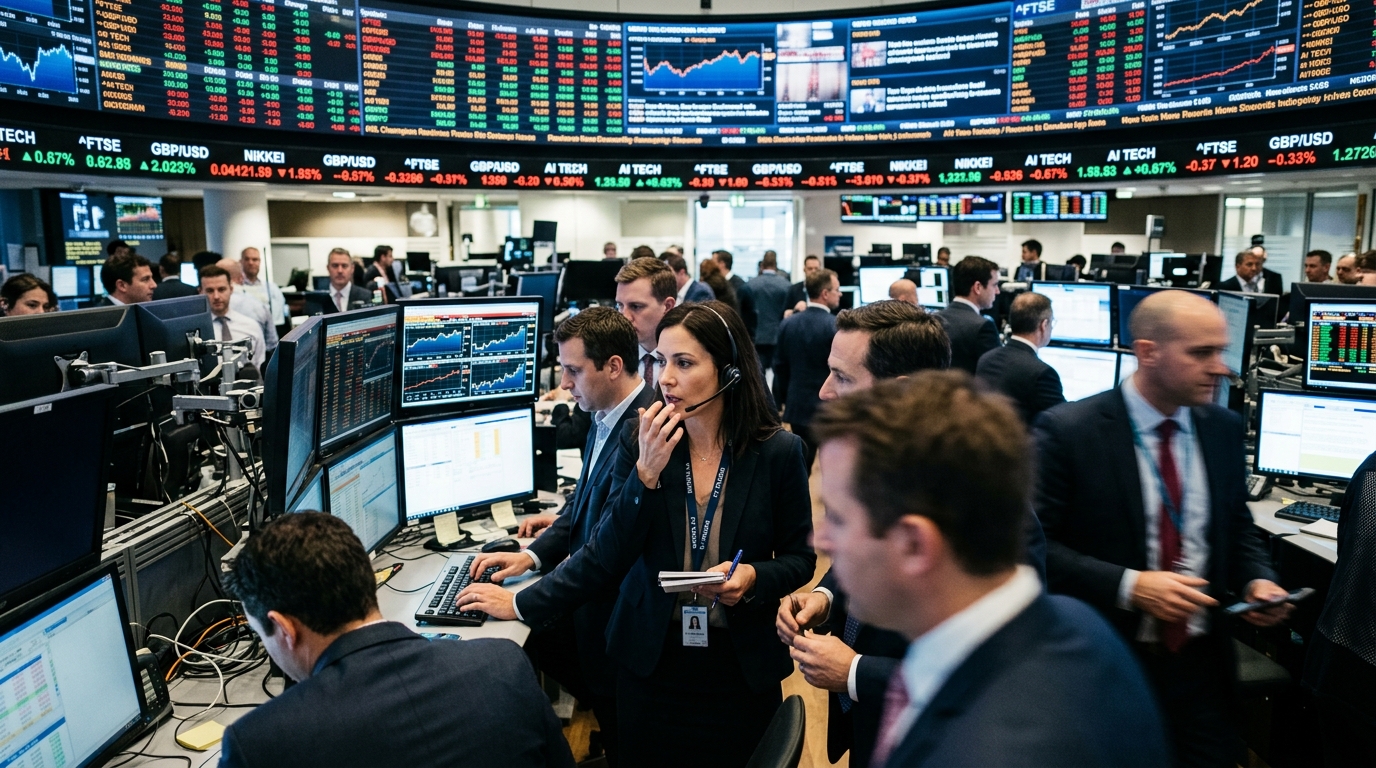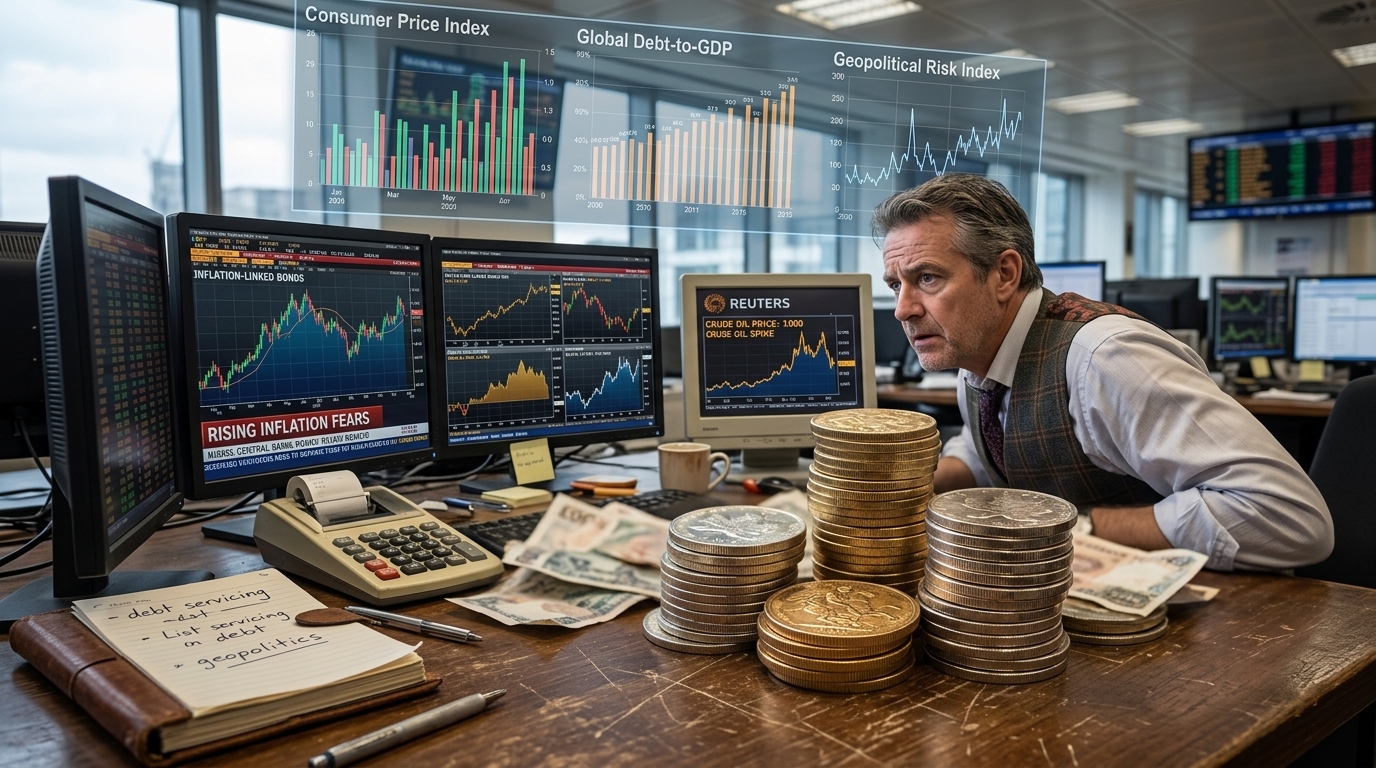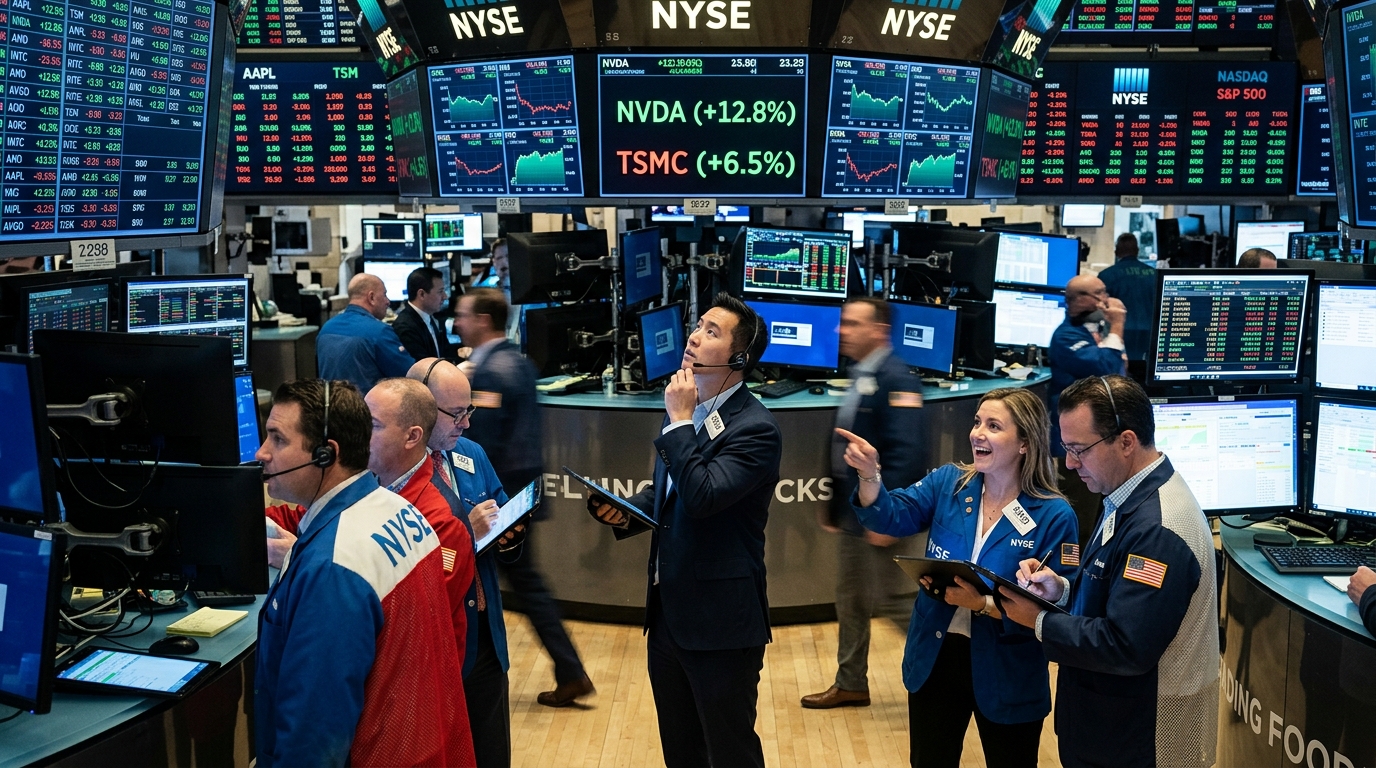
As we move through the second quarter of 2026, the global semiconductor market is undergoing a structural shift that transcends the initial euphoria surrounding Graphics Processing Units (GPUs). The Artificial Intelligence (AI) rally, which began as a race to acquire the most powerful chips from Nvidia, has now evolved into a systemic restructuring of the entire supply chain across Asia. From advanced packaging facilities in Taiwan to specialized material producers in Japan and testing units in Southeast Asia, a new hierarchy of winners is emerging, redefining the economic geography of technology.
The Shift from Design to Advanced Packaging
For years, investor attention was focused almost exclusively on chip designers. However, the complexity of 2026’s AI models has highlighted a new critical bottleneck: advanced packaging. As the limits of Moore’s Law become increasingly blurred, the ability to combine multiple chips into a single structure (chiplets) has become just as vital as engraving the transistors themselves. Companies like ASE Technology Holding and Amkor Technology are seeing their profit margins soar as demand for CoWoS (Chip on Wafer on Substrate) technologies exceeds all historical precedents.
Taiwan remains the epicenter, but the push for diversification has led to significant investments in Malaysia and Vietnam. These countries, once considered destinations for low-value assembly work, are now evolving into high-tech hubs. This shift is not merely economic but strategic, as tech giants seek to insulate their supply chains against geopolitical risks and regional instability.
The High Bandwidth Memory (HBM) Arms Race
Another sector experiencing explosive growth is High Bandwidth Memory (HBM). Generative AI models require massive amounts of data to be moved at incredible speeds. This has transformed memory from a secondary component into one of the primary arbiters of AI system performance. SK Hynix and Samsung Electronics are locked in a relentless competition for dominance in the HBM4 market, which is expected to become the industry standard by next year.
The impact of this demand is trickling down to equipment suppliers. Japanese firms like Advantest, which specializes in semiconductor testing systems, have seen their shares reach all-time highs. The requirement for zero defects in AI chips means that the testing and quality control process is now more time-consuming and costly, boosting the revenues of those who possess the necessary technical expertise.
Geopolitics and the Quest for Resilience
Despite the economic boom, the shadow of US-China relations looms large. Restrictions on exporting advanced technology to China have forced Beijing to invest billions in domestic production of less advanced but essential "legacy chips." This creates a paradoxical situation: while the West focuses on the cutting edge of AI technology, China is consolidating its dominance in the chips that control everything from electric vehicles to household appliances, indirectly affecting the production costs of AI infrastructure itself.
Analysts warn that the excessive concentration of production in Asia remains an Achilles' heel. Despite efforts by the US and the EU through their respective "Chips Acts," the reality is that building a complete ecosystem takes decades, not years. The new winners in the supply chain are those who can navigate between the pressures of protectionism and the necessity of global collaboration.
Conclusion: A Multi-Polar Tech World
The AI rally is no longer just about software or central processors. It is about the physical infrastructure that makes the digital revolution possible. As capital flows toward second- and third-tier suppliers, we are witnessing the birth of a new investment paradigm. Success in the future will not be judged solely by who has the best algorithm, but by who has secured access to the most specialized materials and advanced production methods. The semiconductor supply chain is the new geopolitical chessboard, and the players emerging today will determine the balance of power for the next decade.