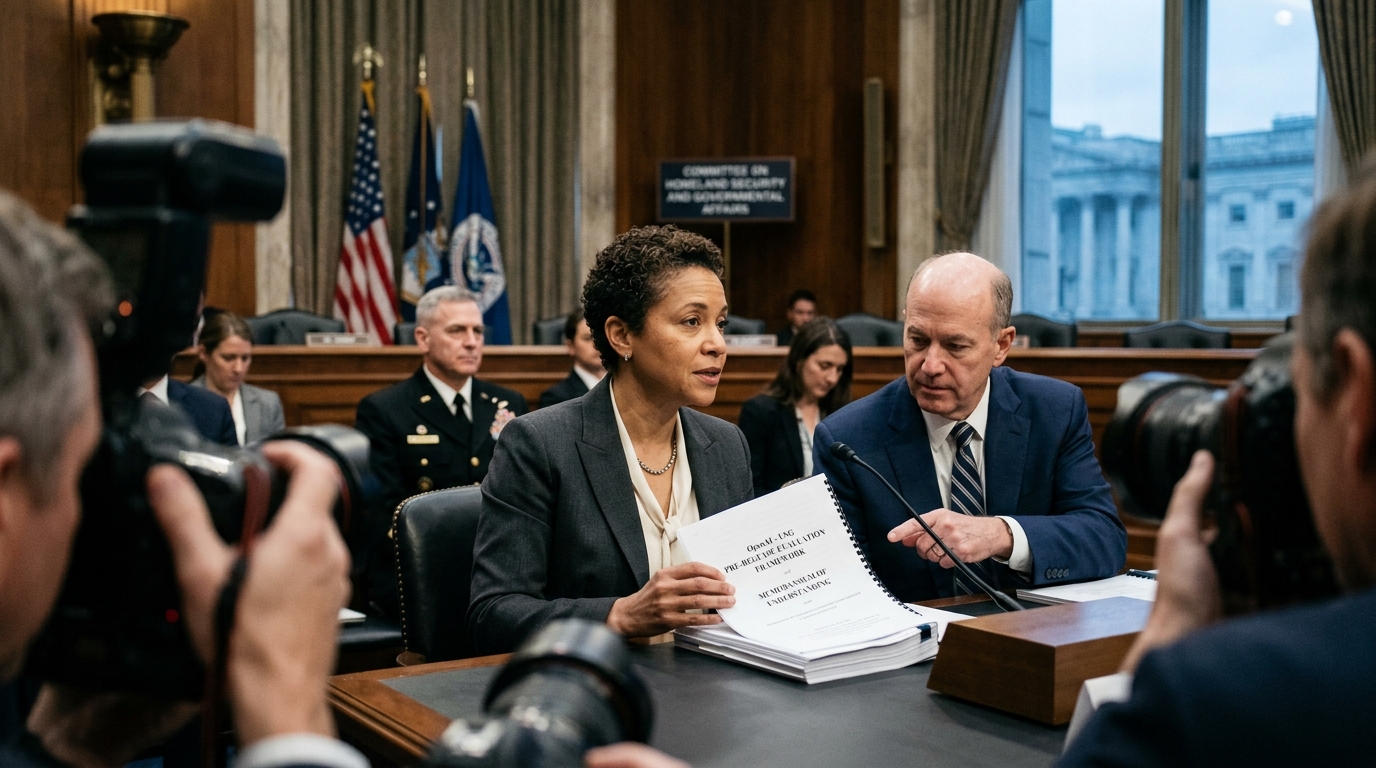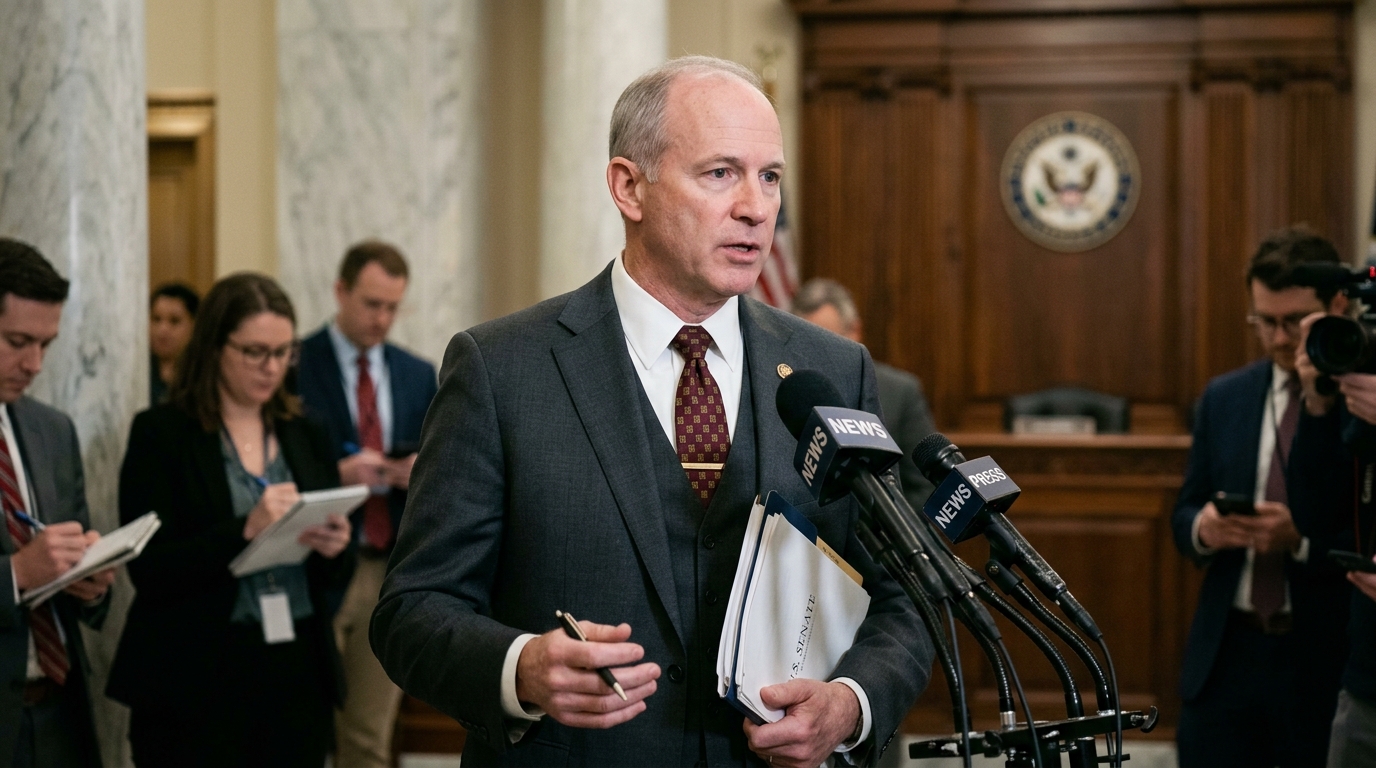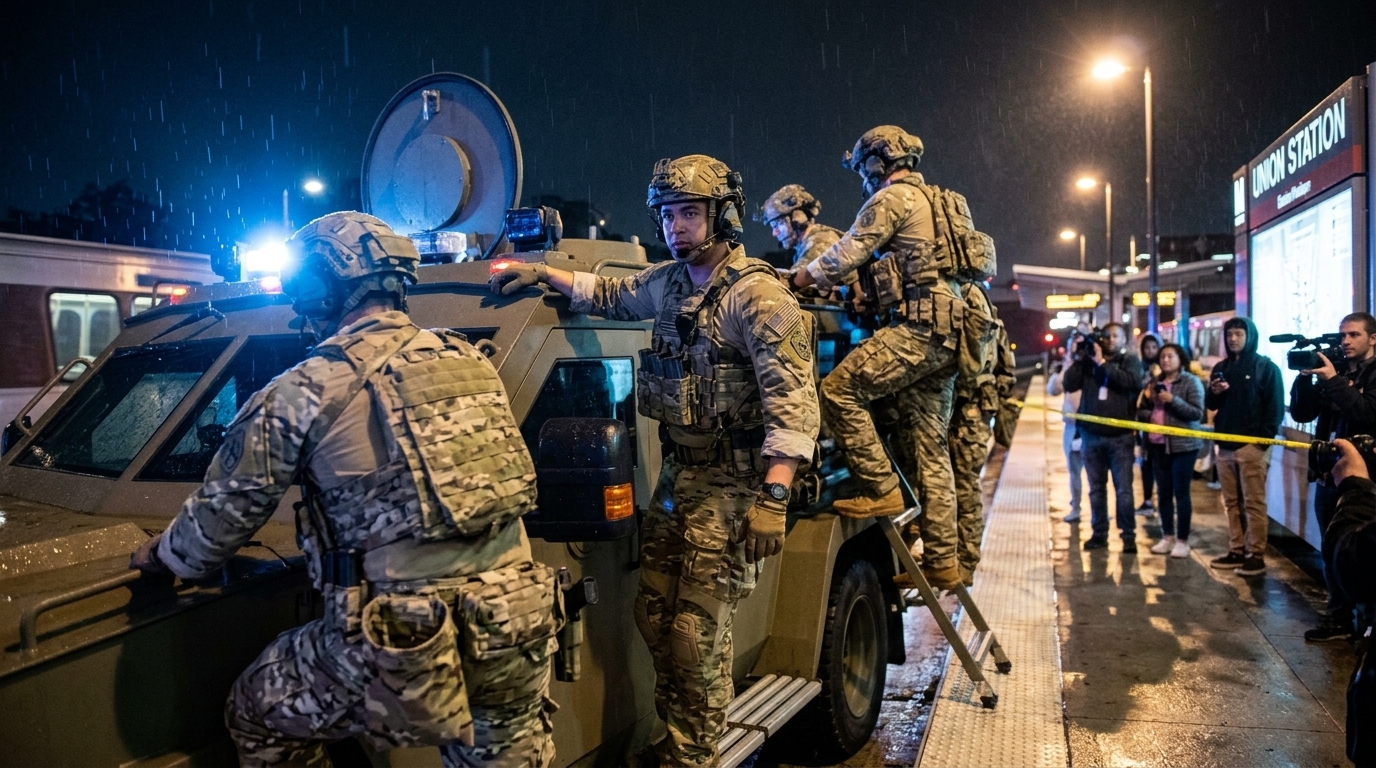
Washington D.C. remains in a state of heightened anxiety following the shooting incident that disrupted this year's White House Correspondents' Dinner (WHCD), an event traditionally celebrated as a showcase of democratic discourse and press freedom. However, as the investigation unfolds, public scrutiny has shifted from the event itself to the suspect's journey to the capital. Reports that the suspect traveled via Amtrak’s rail network while carrying heavy firearms have exposed a long-standing "Achilles' heel" in the American security apparatus: the porous nature of rail transportation compared to the stringent oversight of aviation.
Amtrak as an Open Gateway for Weapons
In stark contrast to the Transportation Security Administration (TSA) protocols at airports, where passenger and luggage screening is exhaustive, rail stations across the United States remain largely "open" environments. The suspect, according to authorities, boarded a train with undeclared weapons, capitalizing on the lack of mandatory X-ray scans and metal detectors at most Amtrak stations. This reality highlights a structural imbalance in national security, where billions of dollars invested in aviation safety leave ground transportation vulnerable.
Security experts point out that the inherent nature of rail travel—characterized by multiple stops, high passenger turnover, and the need for rapid boarding—makes implementing airport-style checkpoints logistically difficult and prohibitively expensive. Yet, the ease with which armed individuals can traverse state lines via train represents a risk that can no longer be ignored, particularly in an era of heightened political volatility.
The DOJ Stance: A Firm 'No' to New Legislation
Despite the gravity of the breach, the official response from the Department of Justice has been unexpectedly conservative regarding legislative action. Acting Attorney General Todd Blanche made it clear in recent statements that the administration does not intend to use the incident as a catalyst for tightening gun control laws or imposing new travel restrictions. "I don't think that's something that we should be focused on right now in any way, shape or form," Blanche stated, drawing immediate fire from gun-control advocates.
This stance reflects a broader political strategy that prioritizes the enforcement of existing laws over the creation of new mandates. For the current administration, the problem is viewed not as a legislative failure, but as an operational lapse in deterring a specific individual. However, this rhetoric avoids addressing the core issue: how a citizen can transport an arsenal on public transit without any interference. The administration seems determined to decouple the act of violence from the tools and methods used to facilitate it.
Political Polarization and Institutional Safety
The WHCD shooting was more than a criminal act; it was a strike at the heart of Washington's political and journalistic community. The fact that the perpetrator targeted an event attended by the President, members of Congress, and top media figures underscores the persistent threat of politically motivated violence. The refusal to consider legislative change is interpreted by many as an attempt to avoid "politicizing" the tragedy, but in reality, security itself has become a deeply partisan issue.
- Amtrak is now under pressure to revise its security protocols without guaranteed additional federal funding.
- Congressional Democrats are pushing for mandatory background checks for any passenger transporting specialized equipment on trains.
- Second Amendment advocacy groups warn that any restriction on traveling with legally owned firearms constitutes a constitutional violation.
In conclusion, this incident highlights a perilous gap between the technological capacity for security and the political will to implement it. As long as rail travel remains the "gray zone" of national security and as long as the DOJ leadership refuses to engage in discussions regarding structural reform, Washington and the rest of the country will remain exposed to similar threats. The balance between freedom of movement and public safety has never been more precarious.