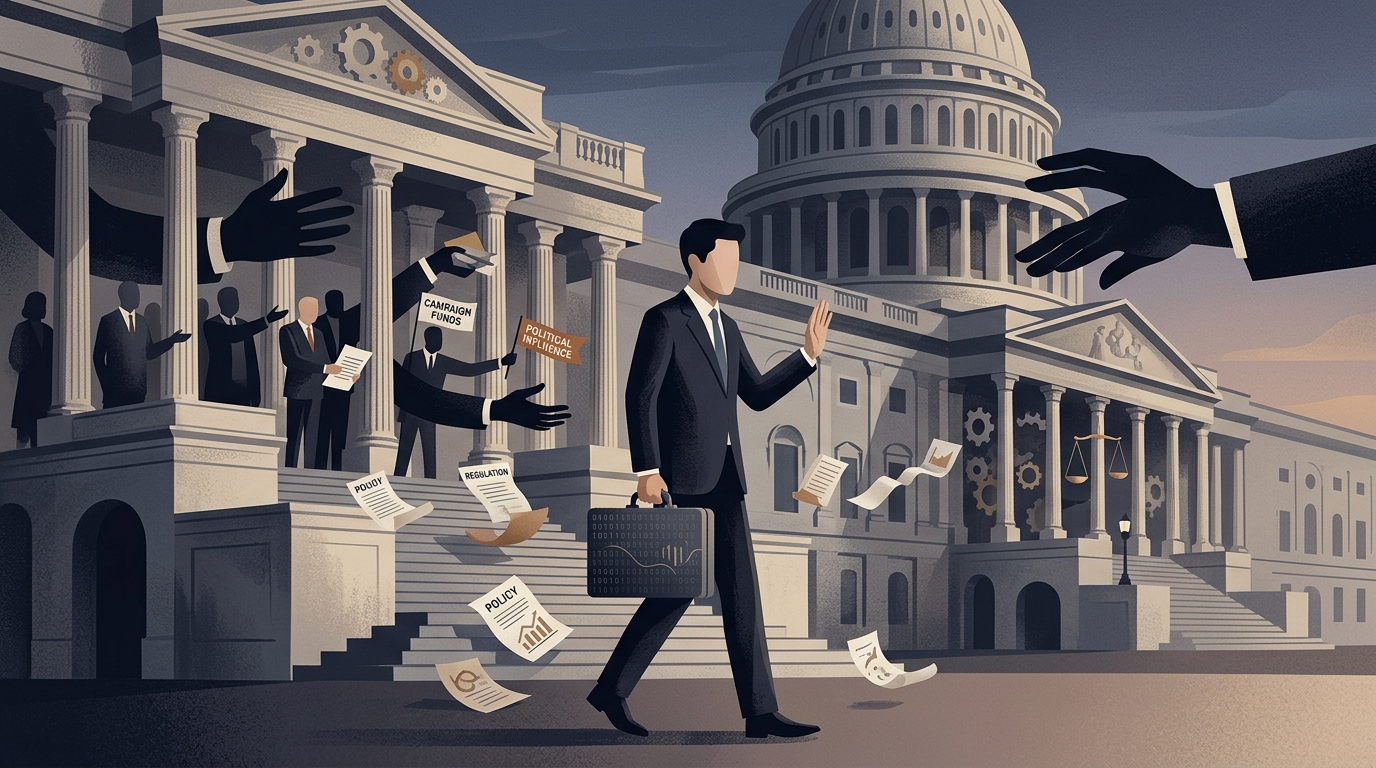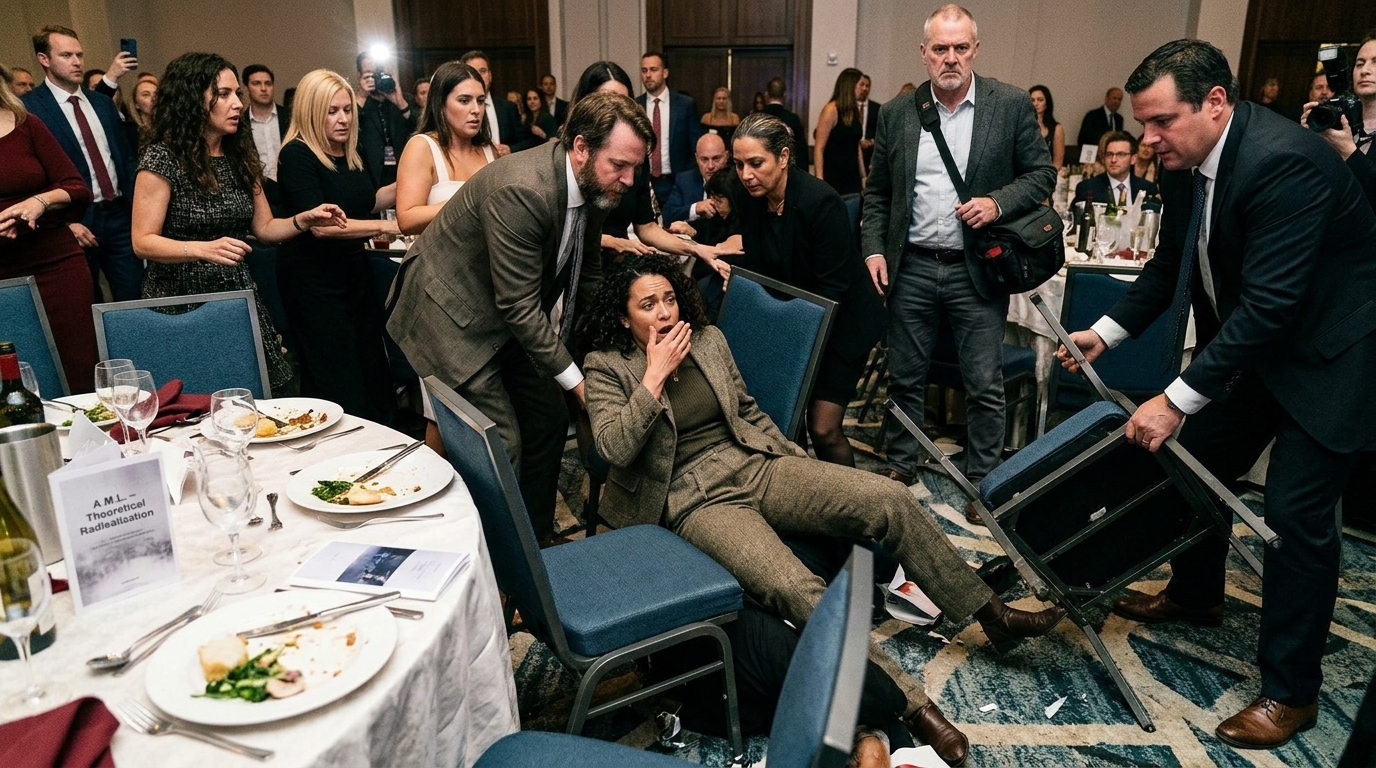
The recent discovery of Thomas Allen's manifesto is not merely a criminal report; it is a grim reflection of the fragile equilibrium currently defining American political life. Allen, arrested on charges of plotting attacks against government officials, left behind a document detailing his intentions, philosophy, and a 'kill list' organized with chilling hierarchical precision.
The Hierarchy of Targets and the Kash Patel Exception
At the core of the manifesto lies a hit list of government officials, ranked from highest to lowest in order of priority. However, one specific detail stands out: the explicit exclusion of FBI Director Kash Patel. This selective targeting suggests a profound penetration of Washington's internal political strife into the perpetrator's logic.
Patel, a figure synonymous with the effort to dismantle the so-called 'Deep State,' appears to be viewed by Allen as the sole credible voice within a system he deems irreδeemably corrupt. This distinction highlights the danger of personality cults and polarization, where political disagreements are no longer confined to debate but are translated into operational plans for violent action.
Rejecting the 'Other Cheek'
Perhaps the most disturbing aspect of the manifesto is the theological and moral reframing of violence. Allen attacks the traditional Christian teaching of 'turning the other cheek,' characterizing it as a form of passivity that allows tyranny to flourish. In his view, religious faith should not be a restraint but a catalyst for 'restoring justice' through force.
- Challenging Christian pacifism as a form of weakness.
- Promoting the idea of a 'holy war' against bureaucracy.
- Using biblical references to justify vigilantism and retribution.
This rhetoric is not entirely new, but its connection to specific political figures makes it exceptionally dangerous. Radicalization through the distortion of religious texts is a classic tool of extremism, and in Allen's case, it served as the moral foundation for planning assassinations.
Trump and the Extremist's Dilemma
The manifesto references Donald Trump extensively, reflecting a complex relationship of adoration and expectation. Allen seems to view himself as a 'soldier' completing a task that political leadership is either unable or hesitant to fulfill. The narrative of 'betrayal' by the system and the necessity for direct action are dominant themes.
"The time for patience has ended. If the leaders cannot drain the swamp, then the people must take up arms," Allen reportedly wrote in his document.
Analysis of these documents by security agencies reveals that the perpetrator did not operate in a vacuum. He was fueled by a continuous stream of conspiracy theories and inflammatory rhetoric prevalent on social media. The question now facing the state is how to protect institutional integrity without infringing on free speech, especially when that speech mutates into a manual for terrorism.
Conclusions and the Path Forward
The Thomas Allen case serves as a clarion call for American democracy. The targeting of officials 'in order of priority' demonstrates a level of methodical planning that transcends mere anger. It necessitates a comprehensive reassessment of the security of public figures and, more importantly, an effort to heal the social fabric that allows such manifestos to gain traction. Violence cannot be the answer to political deadlocks, and the Allen case reminds us that words have consequences—often lethal ones.