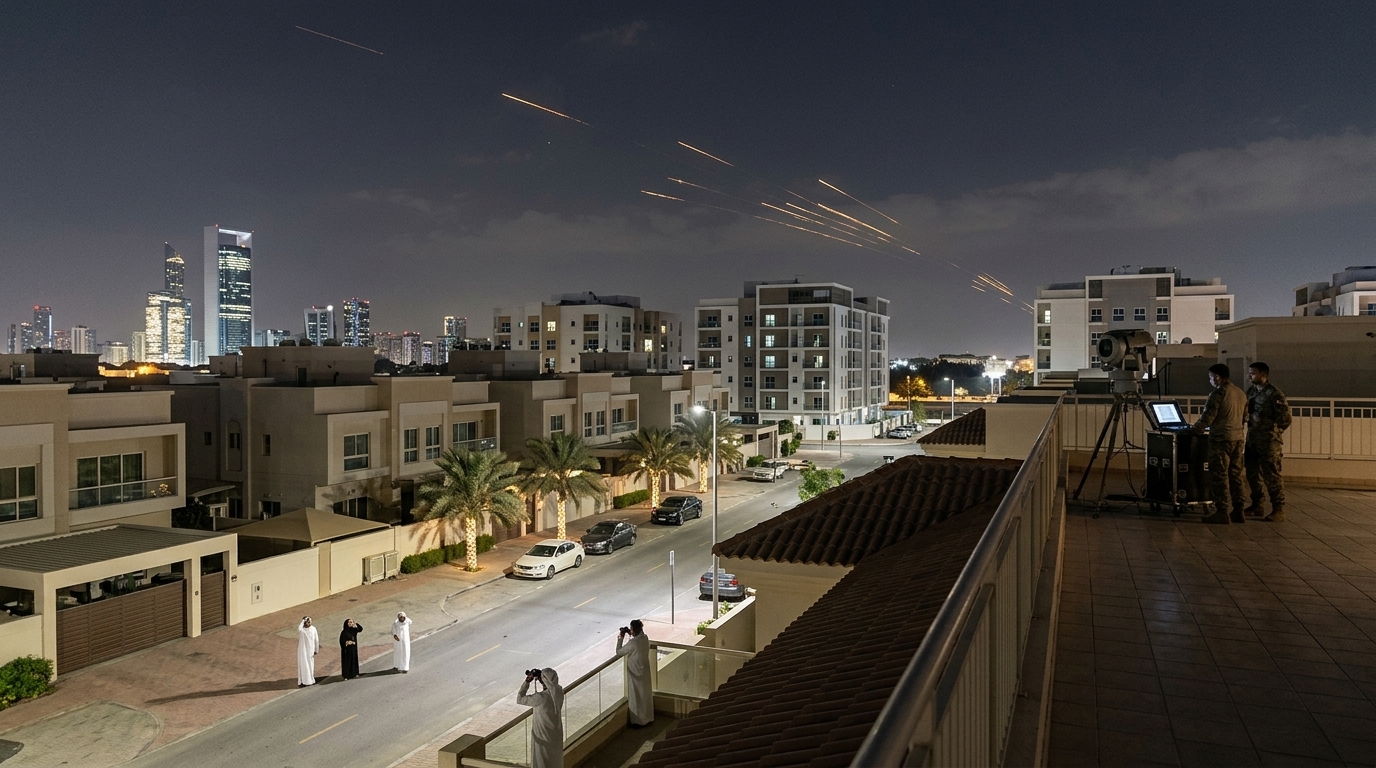
The news of the deployment of the Israeli Iron Dome air defense system in the United Arab Emirates (UAE) is not merely a military update; it is the seismograph of a tectonic shift in the geopolitical balance of the Middle East. According to recent revelations, Israel proceeded with the dispatch of the system along with specialized personnel early in the current conflict with Iran, creating an unprecedented "umbrella" of protection over the Gulf.
The Evolution of the Abraham Accords
When the Abraham Accords were signed in 2020, many analysts viewed them as a symbolic or economic move. However, the presence of Israeli soldiers and advanced technology on Arab soil proves that the cooperation has moved into the realm of "hard" security. The trust required for an Arab state to allow the deployment of Israeli weapon systems on its territory is the result of a shared existential threat: Iran's regional influence.
The Iron Dome, globally renowned for its effectiveness in intercepting short-range rockets, offers the UAE a critical layer of protection. While the UAE already possesses systems such as the American Patriot and THAAD, the addition of the Israeli system fills gaps against attacks from drones and low-flying cruise missiles, which are frequently used by Iranian proxies, such as the Houthis in Yemen.
The Iranian Factor and the Strategy of Deterrence
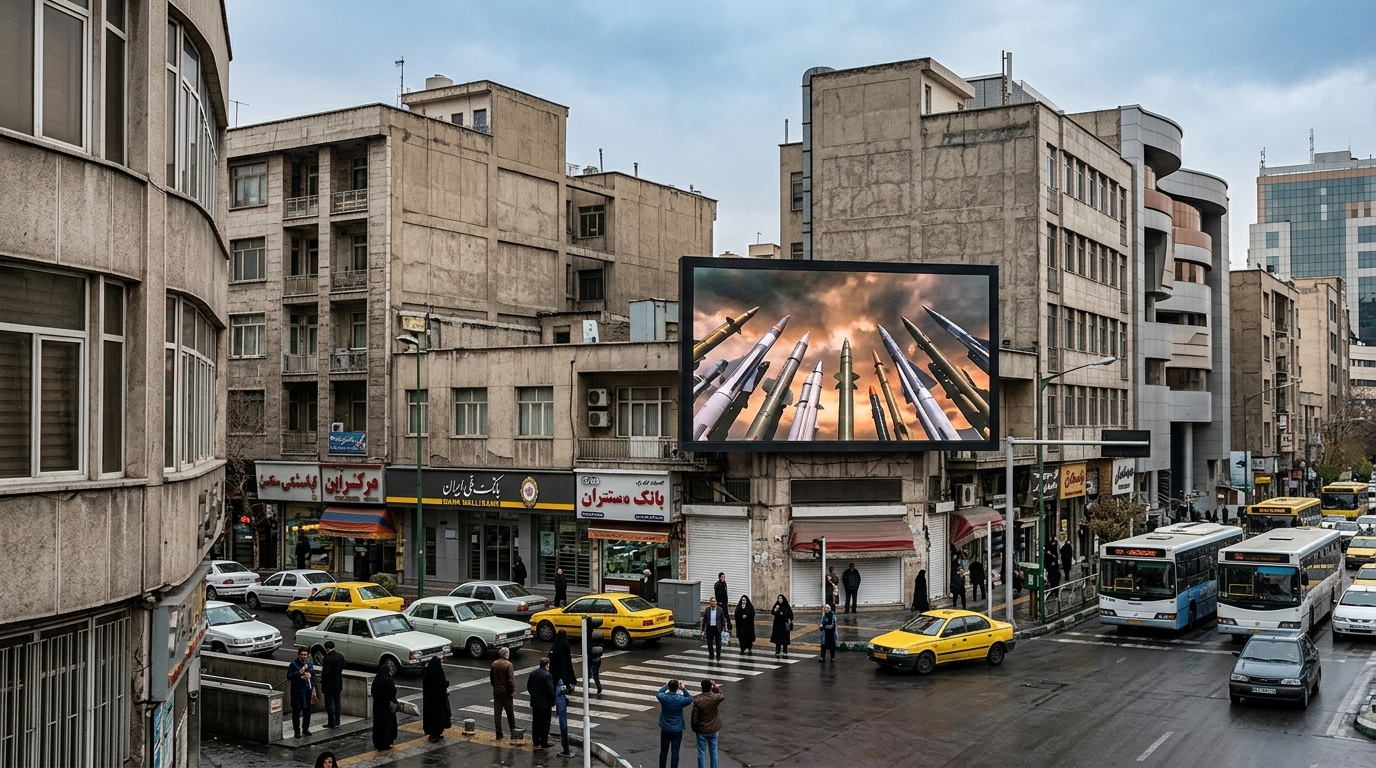
For Tehran, this development represents a strategic nightmare. The creation of a unified air defense front stretching from the Mediterranean to the Persian Gulf largely negates the advantage of Iranian missile systems. The geographical proximity of the UAE to Iran makes the presence of the Iron Dome extremely significant, as it drastically reduces reaction time in the event of an attack.
- Enhancement of regional surveillance through real-time radar data sharing.
- Creation of a "wall" protecting critical energy infrastructure and economic hubs like Dubai.
- Psychological pressure on Tehran's leadership, which sees its traditional rivals uniting militarily.
Challenges and Political Implications
Despite the benefits, this move carries risks. The presence of Israeli military personnel in the UAE could provoke reactions within the Arab world, especially at a time when the Palestinian issue remains a flashpoint. However, the leadership in Abu Dhabi seems to prioritize national security over traditional rhetoric of solidarity.
"Security is no longer a unilateral issue; it is a collective effort in a region where borders are porous to drone technology," says a senior regional diplomat.
Furthermore, this move sends a clear message to Washington. While the US remains the primary guarantor of security in the Gulf, the increasing autonomy of regional powers and the shift toward Israeli solutions indicate a new dynamic of self-help. Israel, for its part, gains "strategic depth," moving its first line of defense closer to its enemy's borders.
Conclusion: Toward a "Middle East NATO"?
The deployment of the Iron Dome in the UAE is perhaps the clearest harbinger of what many call the "Middle East Air Defense Alliance" (MEAD). Although a formal NATO-style military alliance remains distant due to political hurdles, the operational reality on the ground shows that cooperation is already here. Technology acts as the catalyst that transcends religious and historical differences, creating a new reality where survival depends on the shared code of radars and interceptor missiles.