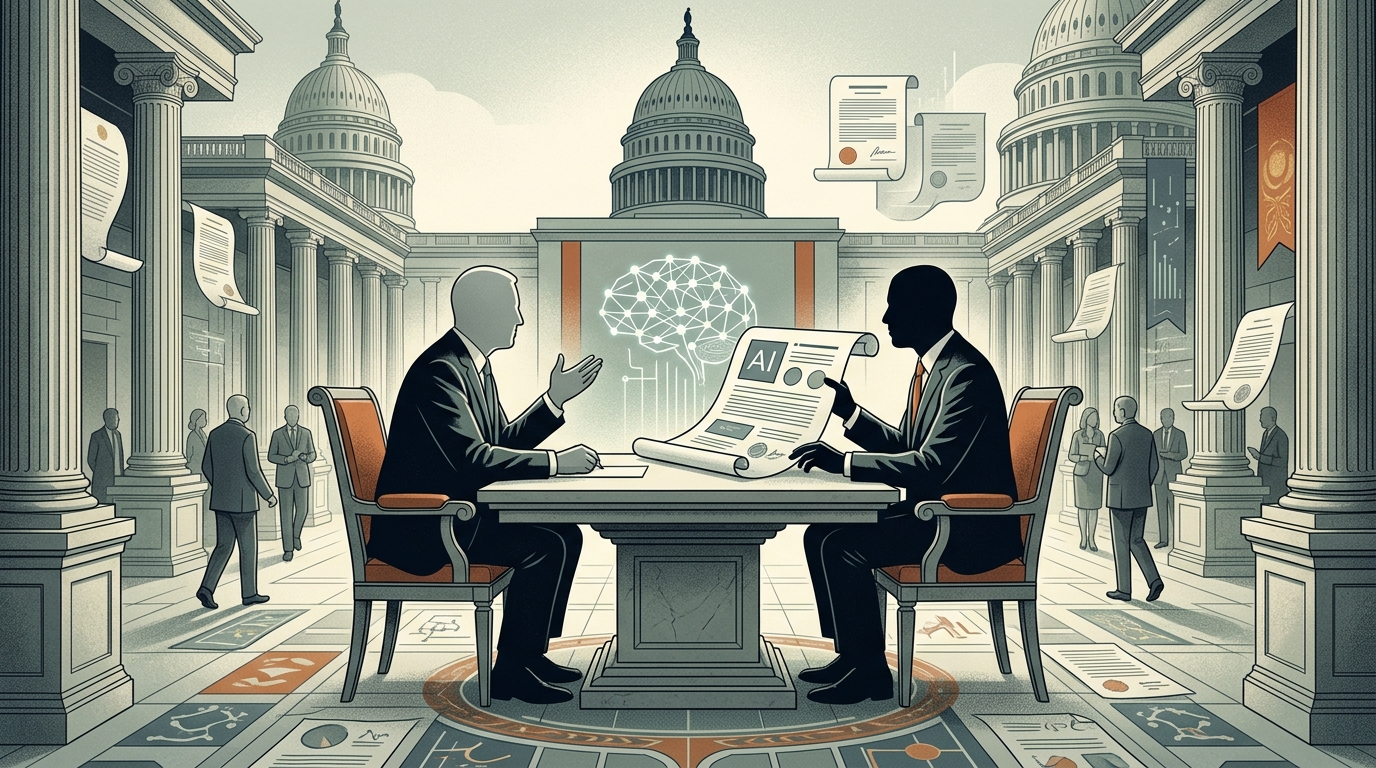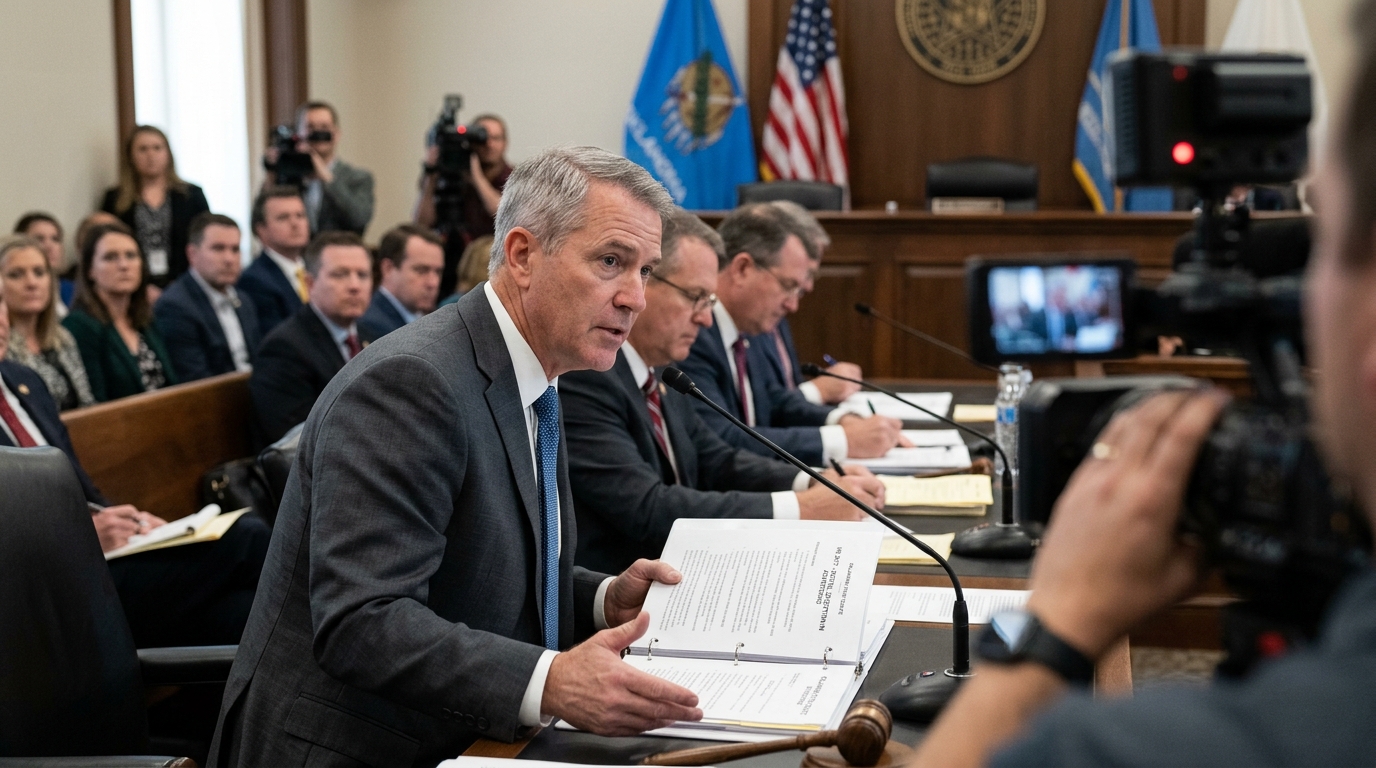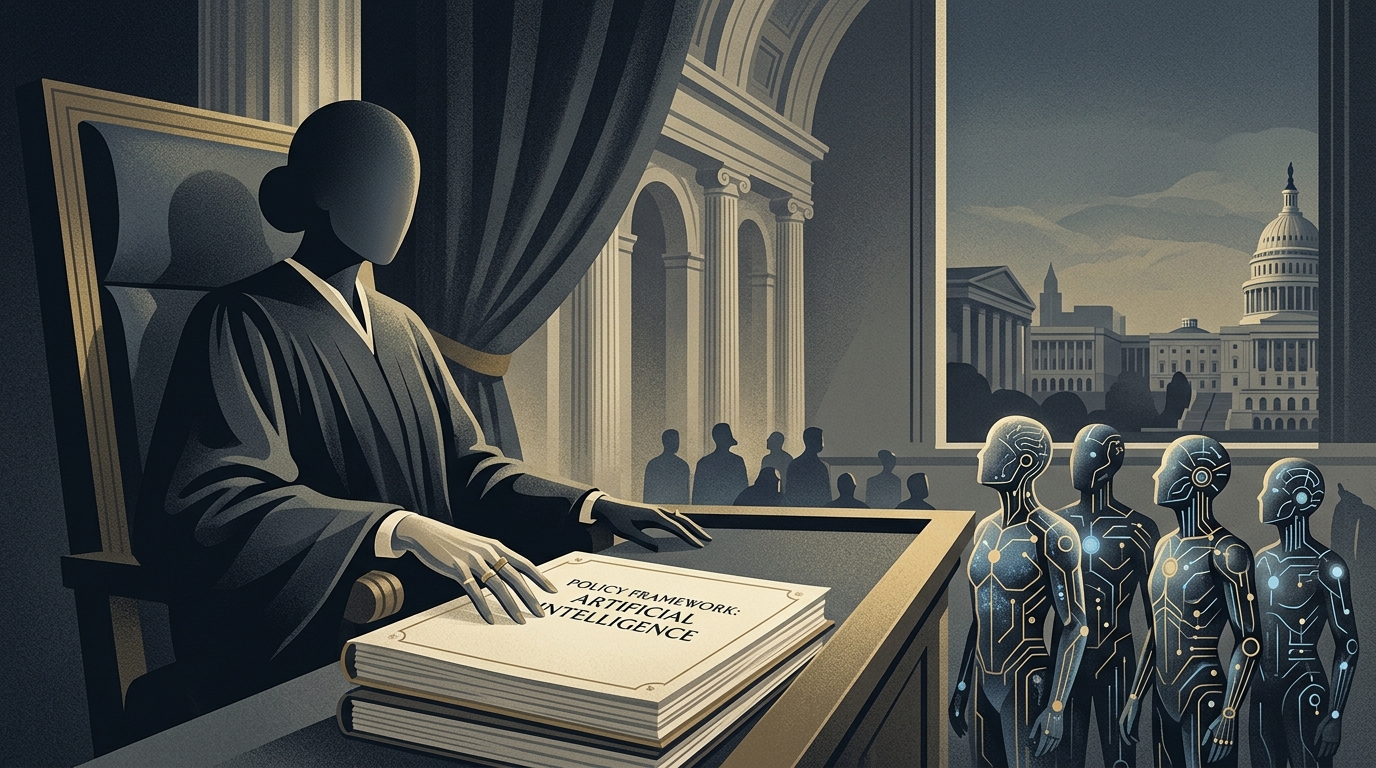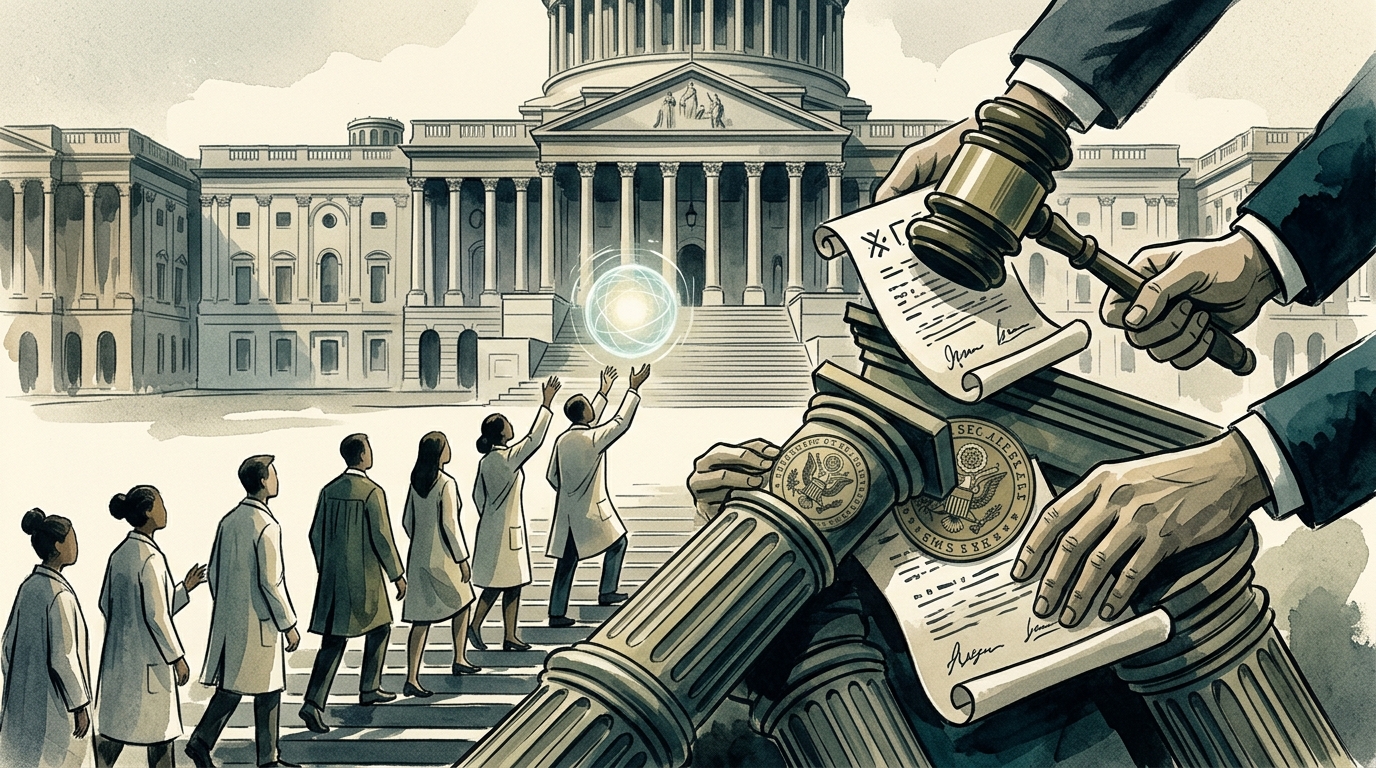
The scientific community in the United States is facing one of the most significant threats in its modern history. A new proposal from the White House Office of Management and Budget (OMB) threatens to dismantle the very foundations upon which American scientific preeminence was built: independence, meritocracy, and the peer-review process. According to the proposed revisions to federal grant rules, the government would acquire the right to cancel any grant at any time, without substantive justification, while political staff would be empowered to screen research for "forbidden" or "sensitive" topics.
The Erosion of Meritocracy and the Death of Peer Review
For decades, the peer-review system has been the gold standard for allocating federal resources. Scientists from across the globe competed based on the quality and rigor of their research, and decisions were made by subject-matter experts rather than bureaucrats. The new OMB proposal makes this process optional. Instead of expert judgment, the selection of projects for funding could now be filtered through political appointees who possess the power to reject proposals that do not align with the current political agenda.
This shift is not merely an administrative tweak; it is a fundamental paradigm shift. When political expediency replaces scientific merit, the inevitable result is a decline in research quality. Scientists, fearing the loss of their funding, may be driven toward self-censorship, avoiding fields deemed "controversial," such as climate change, public health, or the social sciences. History has shown that when science is subordinated to ideology, progress stalls and society suffers the consequences.
The Right to "At-Will" Termination
Perhaps the most alarming aspect of the new rules is the clause allowing the government to terminate funding "at any time." Scientific research, particularly in fields like biotechnology, physics, and artificial intelligence, requires long-term planning and stability. Establishing laboratories, hiring specialized researchers, and conducting experiments that span years cannot survive in an environment where funding can vanish at the whim of a political staffer.
This uncertainty will act as a major deterrent for the world's top scientific talent. Why would a researcher choose a U.S. university when their work could be canceled simply because of a change in administration or political mood in Washington? The risk of a "brain drain" to Europe or Asia is now a tangible threat, jeopardizing U.S. economic and technological leadership in the long run. The stability of the grant system is the bedrock of innovation; without it, the structure collapses.
Political Screening and "Forbidden" Topics
The proposal also introduces the concept of preliminary screening by political staff to identify topics deemed inappropriate for federal support. This creates a de facto list of prohibited research. While the official rhetoric speaks of "rational management of taxpayer resources," the reality points toward an ideological control reminiscent of authoritarian regimes. Science relies on questioning and exploring the unknown. If the government decides in advance which questions are allowed to be asked, then research ceases to be a pursuit of truth and becomes a tool for propaganda.
Furthermore, the lack of transparency in cancellation or rejection decisions will make judicial review or public accountability nearly impossible. Federal agencies will be able to hide behind vague references to "national interest" or "fiscal discipline," while actually serving narrow political ends. This climate of suspicion will poison the relationship between the academic community and the state, undermining public trust in institutions that are vital for a functioning democracy.
Conclusion: The Future at Stake
The OMB proposal is not just a bureaucratic detail; it is an assault on the heart of the scientific method. If implemented, the United States risks losing its role as the global beacon of innovation. Freedom of inquiry is not a luxury; it is a prerequisite for progress. Protecting science from political interference is essential not only for the scientists themselves but for all of humanity, which relies on their discoveries to meet the challenges of the future. The reaction from the academic community and civil society must be immediate and decisive before the shadow of political control falls over the nation's laboratories and libraries.