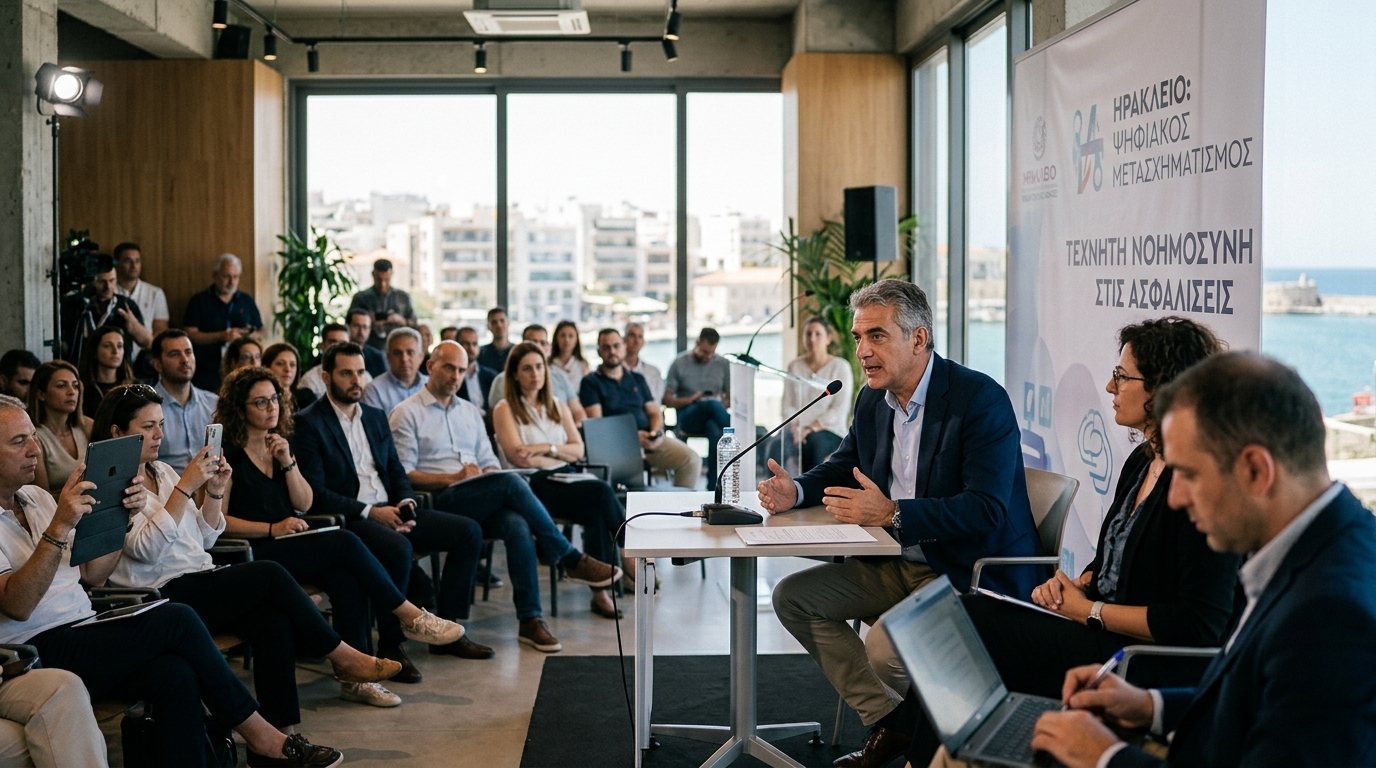
Artificial Intelligence (AI) is no longer a science fiction scenario confined to the pages of Isaac Asimov's books or Hollywood screens. It is a living, evolving reality reshaping the fabric of the global economy and society. Cosmote TV's recent special, "All About Artificial Intelligence," confirms a critical turning point: Greece is no longer a mere observer but an active participant in this digital revolution.
The Digital Transformation of Greece
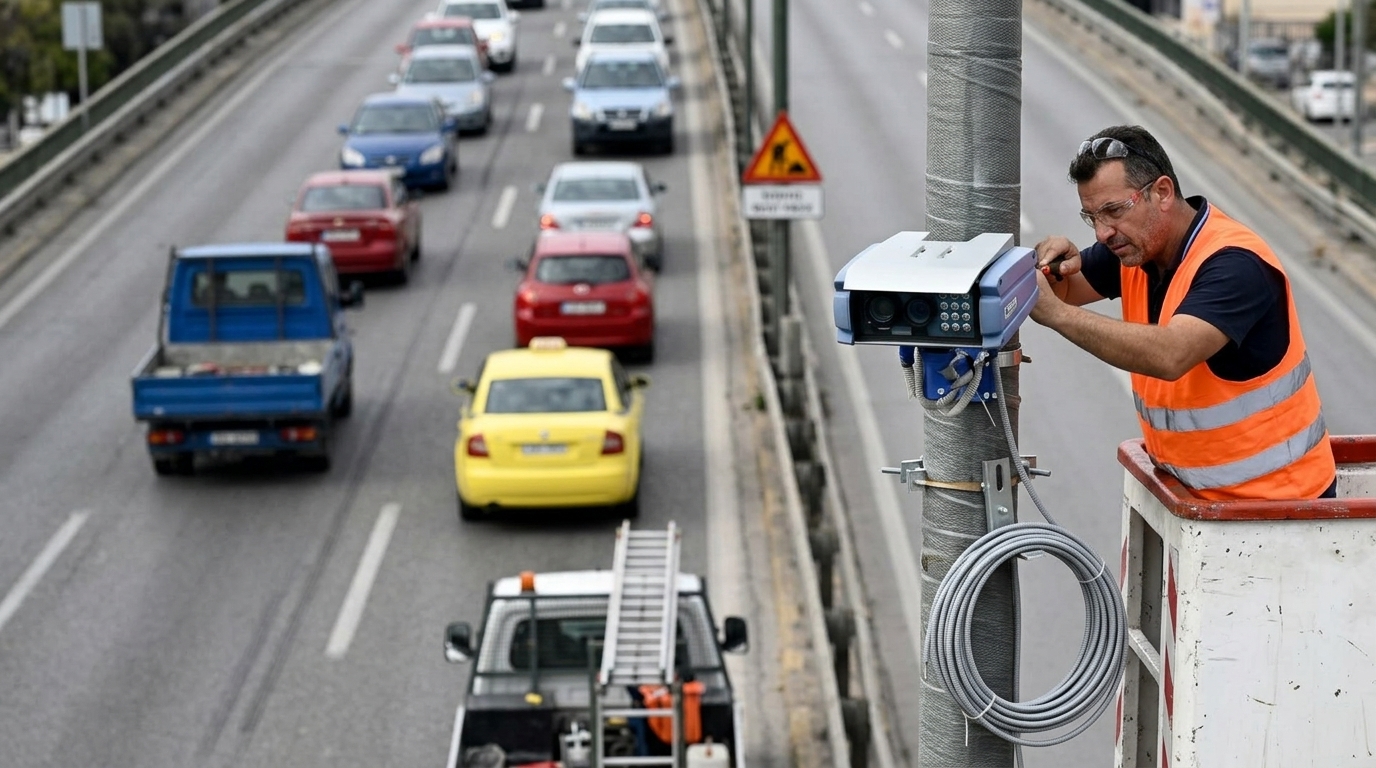
For a country traditionally reliant on tourism and shipping, the advent of AI offers a unique opportunity to overcome structural issues. The digitization of the state, which has accelerated in recent years, forms the foundation upon which AI applications are built to facilitate citizens' lives. From chatbots answering queries about public services to algorithms optimizing agricultural production in the Greek countryside, this technology is becoming the "invisible hand" increasing efficiency.
However, the challenge remains education. As highlighted in the feature, the need for reskilling the workforce is imperative. AI will not necessarily replace humans, but the human who knows how to use AI will replace the one who doesn't. In Greece, this means a radical overhaul of university curricula and closer cooperation between the academic community and the labor market.
Ethics, Transparency, and the European Framework
One of the most interesting aspects of the AI debate is the ethical dilemma. Who is responsible for a wrong diagnosis by a medical algorithm? How is the personal data of Greek users protected from unregulated collection by big tech giants? The European Union, with the AI Act, is attempting to set boundaries, and Greece must align itself immediately.
"Artificial Intelligence is the tool, but human judgment remains the compass. Without ethical shielding, innovation risks becoming authoritarianism," industry experts state.
In this context, algorithmic transparency is crucial. It is not enough to have "smart" systems; we must know how they make their decisions. For Greek society, which is often characterized by distrust towards institutions, building trust in AI is the most difficult bet.
Entrepreneurship and Innovation
In the business sector, Greek startups are pioneering. Despite the small market size, there are teams developing AI solutions for shipping, medical data analysis, and cybersecurity. Investing in AI is no longer a luxury for large corporations but a necessity for survival. Cosmote, as part of the Deutsche Telekom group, is leading the way by integrating such technologies into its network and customer service.
The future looks exciting but also uncertain. Artificial Intelligence could be the catalyst for a new "brain gain," attracting back to Greece scientists who left during the crisis. This, of course, requires creating the right ecosystem that favors research and development, away from bureaucratic obstacles and outdated mentalities.
Conclusions
In conclusion, the "All About Artificial Intelligence" feature reminds us that this technology is a mirror of our civilization. If we use it to enhance human creativity and solve chronic problems, the benefit will be enormous. But if we leave it unchecked, inequalities will widen. Greece is at a crossroads: it can either lead in the Southeast European region as an innovation hub or remain a mere consumer of foreign technologies. The choice is ours.