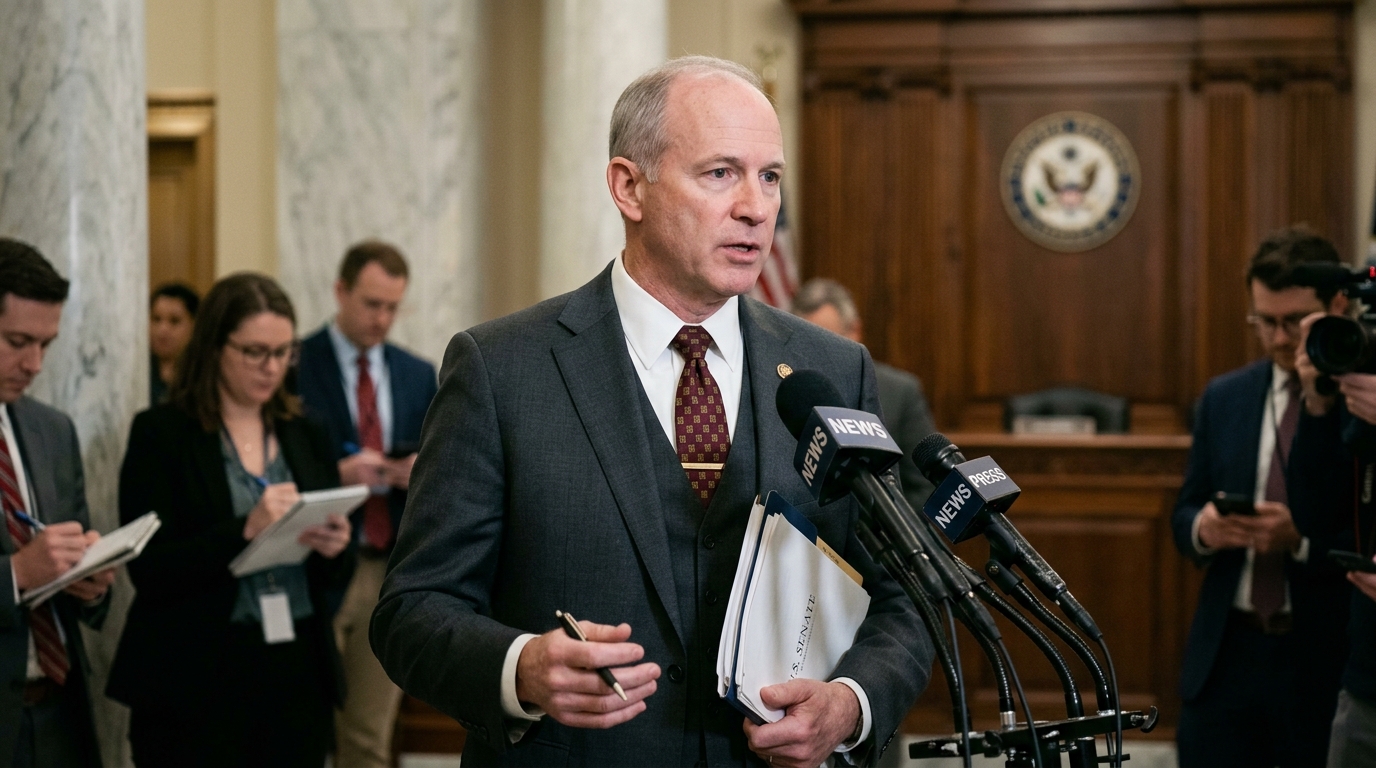
In an era where Europe is desperately searching for its new footing amidst the geopolitical squeeze of the US and China, Greece appears to be emitting a signal of stability and dynamism that few would have predicted a decade ago. Speaking at the Fortune Greece event, Minister Kyriakos Pierrakakis did not limit himself to a mere presentation of economic indicators but instead offered a comprehensive vision for the country's position in a rapidly changing world. The landmark news of the public debt reduction from a staggering 210% to 136% of GDP is not just a number; it is the birth certificate of a new Greek credibility.
Restoring Credibility and the 'Greek Paradox'
The Greek economy, long the "black sheep" of the Eurozone, has been transformed into a prime example of fiscal discipline combined with growth. The debt reduction of 74 percentage points represents one of the fastest deleveraging programs globally. According to Mr. Pierrakakis, this success was no accident but the result of a systematic effort toward the digital transformation of the state, attracting foreign investment, and establishing a stable tax environment.
However, Greece is not resting on its laurels. The "leading role" strategy described by the minister is based on the premise that the country can no longer be a mere spectator of European developments. "Greece is here to co-shape the future of Europe," he emphasized, highlighting that the Greek experience from the crisis can serve as a valuable lesson for the rest of the continent, which currently faces challenges of stagnation.
The Europe of Scales: The Need for Strategic Convergence
One of the central points of the intervention was the critique of European sluggishness. Pierrakakis referred to the need for "scale" and speed. In a world where tech giants and state subsidies in America and Asia are reshaping the market, Europe risks falling behind if it does not unify its forces. Greece, having made its own "leap" in the digital sector, is now pushing for a bolder European investment policy.
- Boosting cross-border investments in cutting-edge technologies.
- Creating a unified framework for innovation that allows European startups to become global players.
- Strategic autonomy in energy and defense, sectors where Greece holds a geopolitical advantage.
"It is not enough to survive; we must lead. Europe needs a new 'architecture' that favors scale and cooperation, leaving behind the fragmentation that weakens us," the minister noted.
From Debt to Investment: The Next Chapter
Reducing debt to 136% unlocks new possibilities for the country. With the return to investment-grade status and the steady decline in borrowing costs, Greece is becoming a magnet for capital seeking safety and returns. Pierrakakis stressed that the next challenge is channeling this momentum into the real economy, with an emphasis on education and the specialization of human capital.
His reference to the need for "fast and decisive changes" applies not only to Brussels but also to the domestic front. Reforming the justice system, further reducing bureaucracy, and linking universities with the labor market are the next milestones to ensure that debt reduction is accompanied by sustainable and inclusive growth. The Greece of 2026 bears no resemblance to the country of 2010, and that is perhaps the greatest achievement of the current political period.