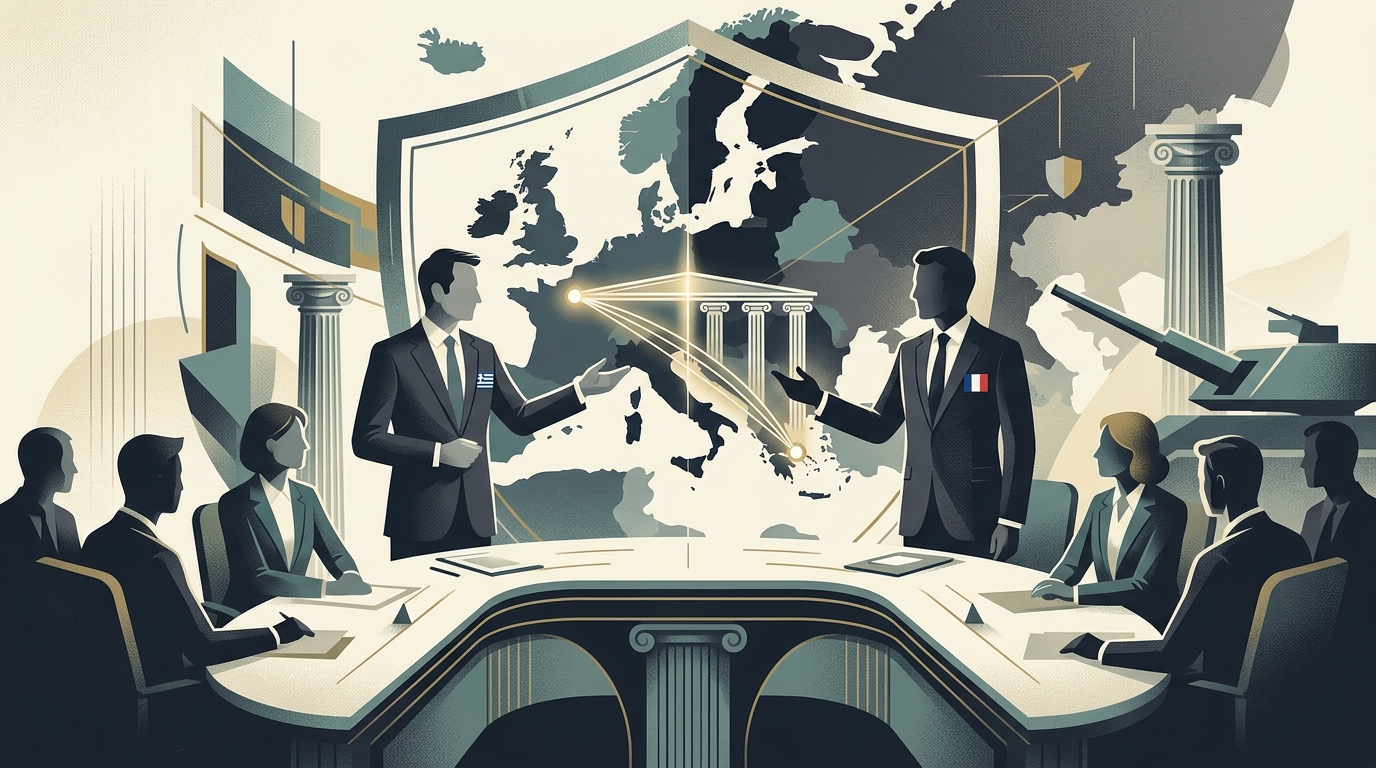
At a time when geopolitical fluidity in the Eastern Mediterranean and Ukraine is redefining power balances, the meeting between Greek Prime Minister Kyriakos Mitsotakis and French President Emmanuel Macron in Lorient, France, was far more than a ceremonial visit. Their presence on the deck of the frigate 'Kimon'—the first of three state-of-the-art FDI (Belharra) digital frigates being built for the Hellenic Navy—served as a potent symbol of a relationship that has evolved into a pillar of stability for NATO's southern flank and the European Union.
The long-standing slogan "Grèce-France-Alliance," dating back to the era of Konstantinos Karamanlis and Valéry Giscard d'Estaing, appears to have acquired a new, deeply practical meaning in 2026. As both leaders emphasized, the strategic partnership signed in 2021 is no longer limited to mutual defense assistance but has expanded into a holistic framework of cooperation encompassing energy security, technological innovation, and a joint response to the climate crisis.
The Frigate 'Kimon' as a Symbol of Power and Autonomy
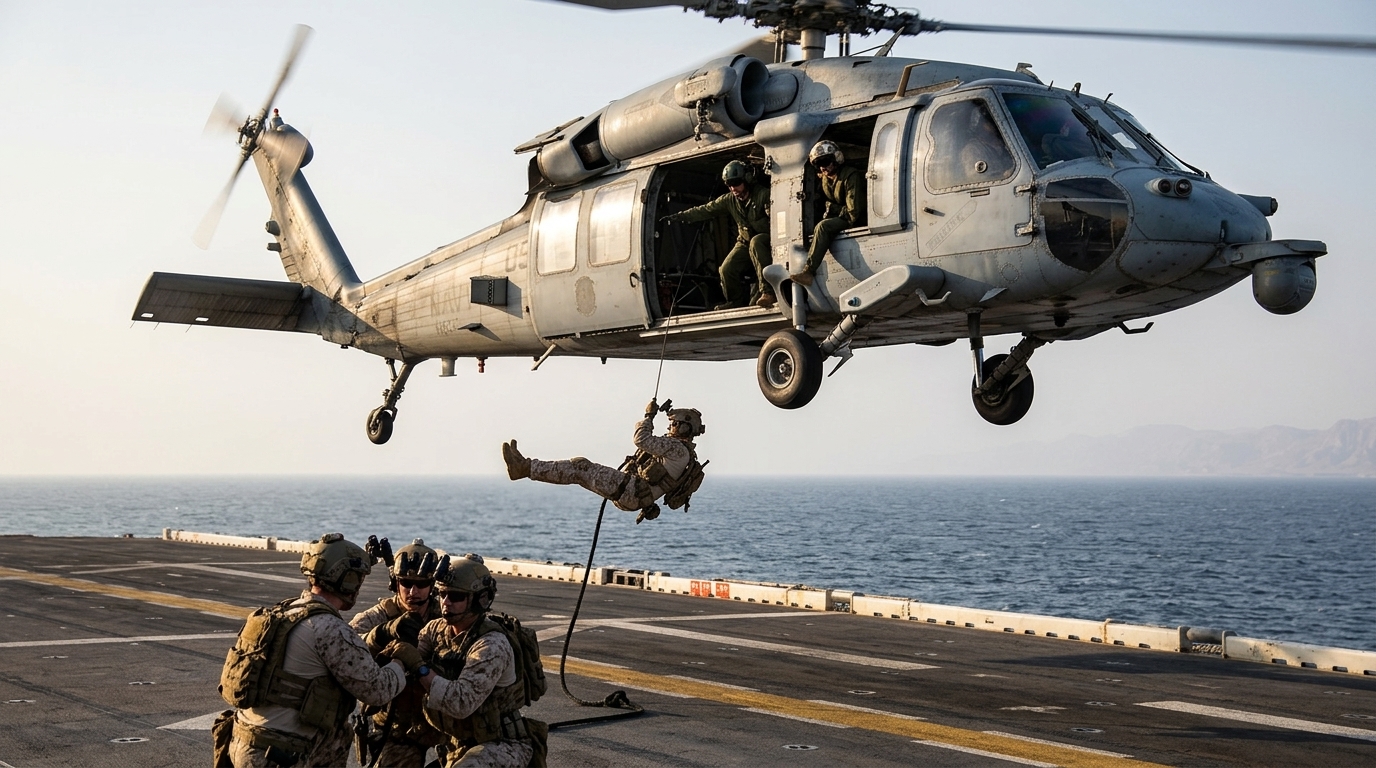
The visit to the Naval Group shipyard in Lorient highlighted the progress of a program considered a "game changer" for the Aegean Sea. Equipped with the SeaFire radar and Aster 30 missiles, the 'Kimon' represents the cutting edge of Greek deterrence. For Emmanuel Macron, this program is a living example of "European Strategic Autonomy"—the concept that Europe must be capable of defending itself using its own means and industries.
Kyriakos Mitsotakis stressed that the acquisition of these frigates is not merely an arms purchase but an investment in national sovereignty and European cohesion. "We are not just building ships; we are building the future of European defense," he remarked. This collaboration also strengthens the Greek shipbuilding industry, as parts of the maintenance and future upgrades are scheduled to take place in Greek shipyards, fostering job creation and knowledge transfer.
Energy and Economy: The New Roadmap
Beyond cannons and missiles, the summit's agenda focused heavily on energy. France, as a leading power in nuclear energy and renewables, views Greece as a critical energy hub for transporting green hydrogen and electricity from Africa and the Middle East to Europe. The two countries agreed to accelerate electrical interconnections in the Mediterranean, reducing the continent's reliance on volatile suppliers.
In the economic sphere, French investments in Greece have surged in recent years, covering sectors ranging from tourism and real estate to digital technologies. The establishment of a joint innovation fund for startups operating in the "blue economy" (maritime technology) is one of the new initiatives announced, demonstrating that the alliance is firmly looking toward the 21st century.
Geopolitical Challenges and the Mediterranean
The discussion inevitably touched upon regional tensions. Macron and Mitsotakis reaffirmed their shared stance against revisionist tendencies in the region. France remains Greece's most steadfast ally within the EU regarding the defense of the International Law of the Sea (UNCLOS). The permanent presence of French naval forces in the Eastern Mediterranean serves as a deterrent against any attempts at destabilization.
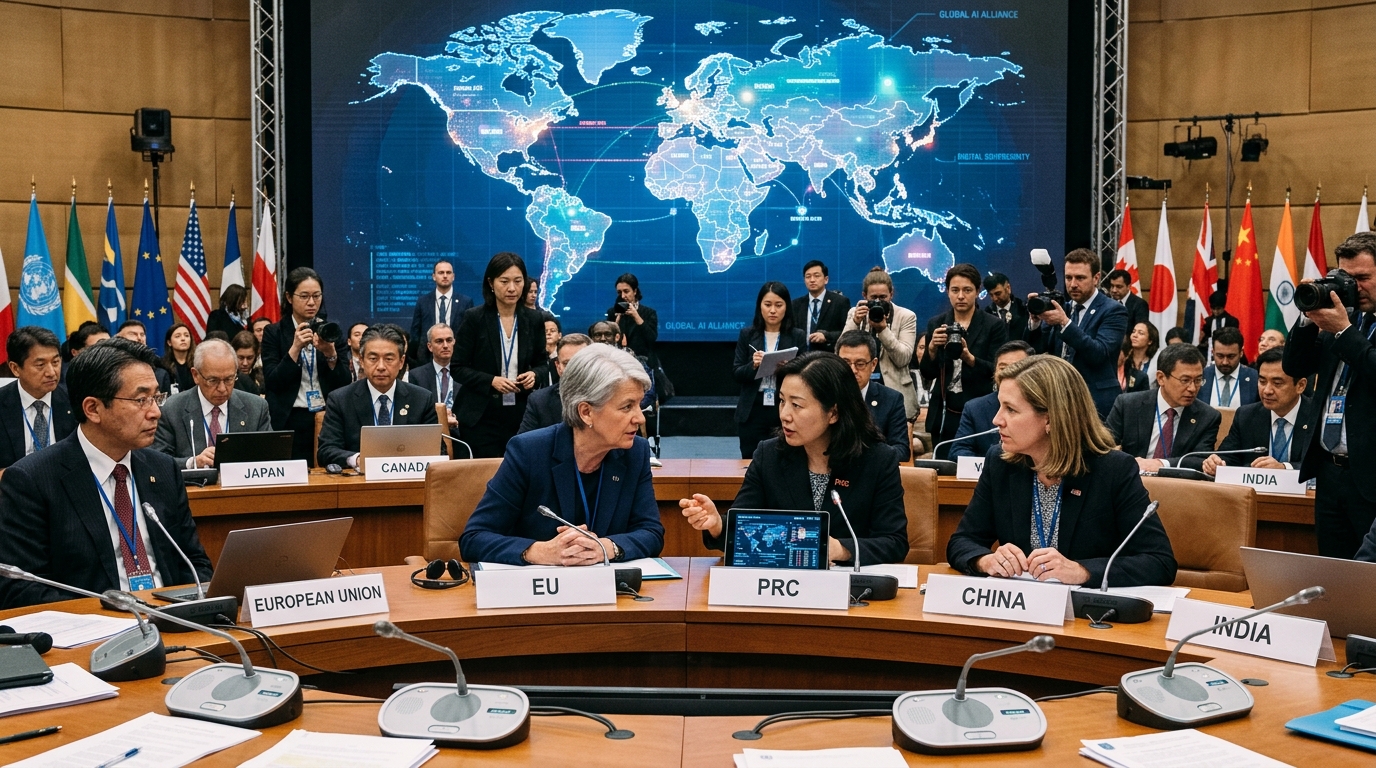
However, the alliance is also tested by internal EU pressures. The need for a more unified foreign policy and the financing of the defense industry through Eurobonds remain points of contention with other European capitals. Athens and Paris seem to be leading a group of nations calling for "more Europe" in security, a position that gains weight ahead of upcoming European challenges.
"Our relationship is not a coincidental meeting of interests. It is a deep cultural and strategic choice that defines our place in the modern world," Emmanuel Macron emphasized during the joint press conference.
In conclusion, the meeting on the frigate 'Kimon' reminded friends and foes alike that Franco-Greek cooperation is now institutionalized and resilient. The transition from words to deeds—or rather, from contracts to ships and energy lines—is the best evidence that the commitment of the two leaders remains strong, shaping the future of the Mediterranean for decades to come.