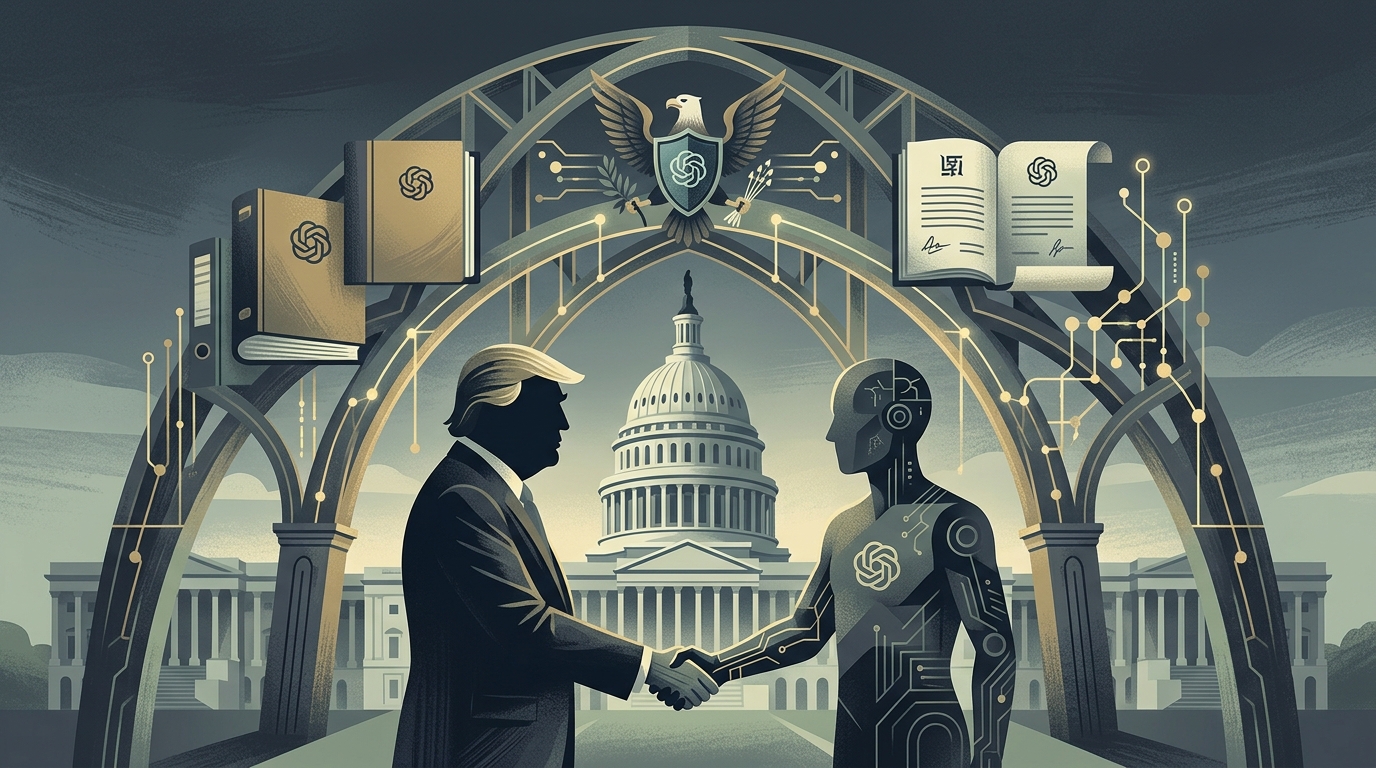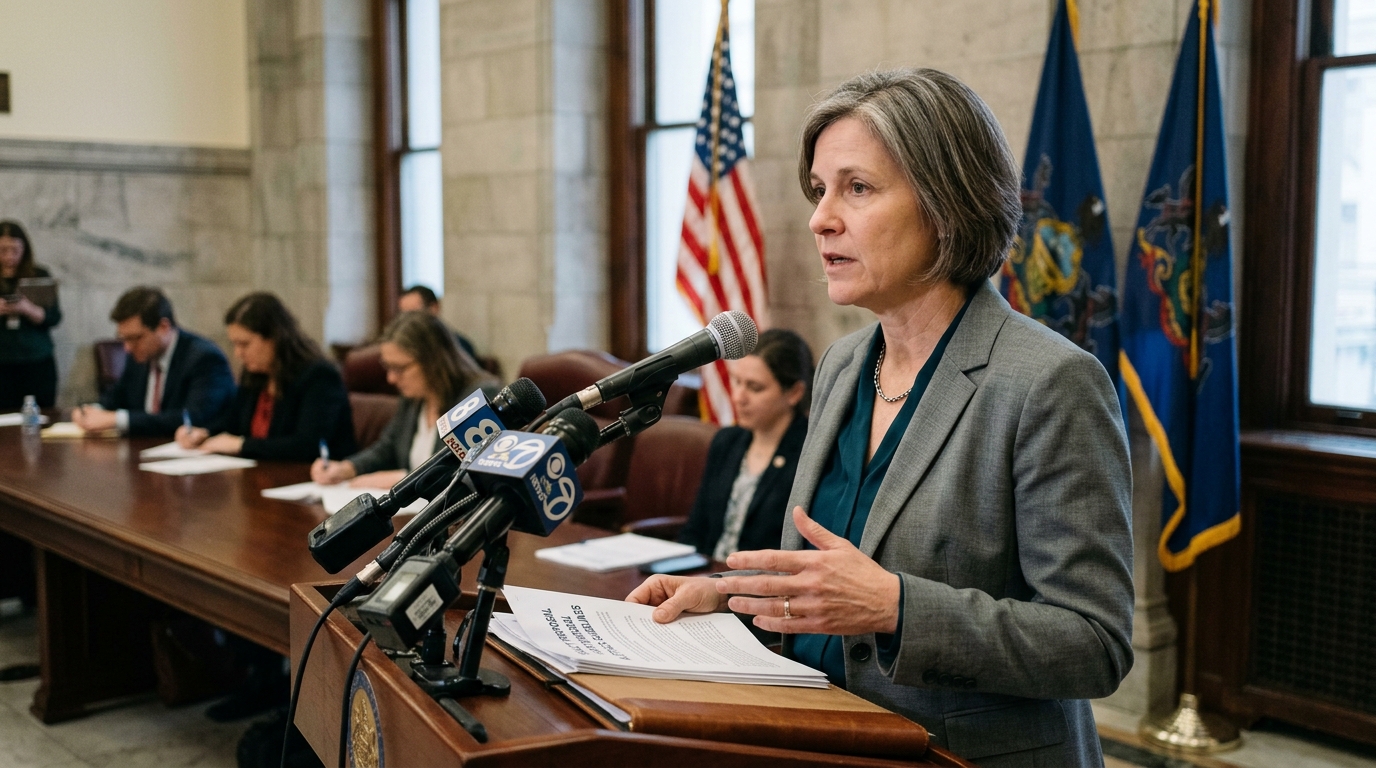
The rapid integration of Artificial Intelligence (AI) into school classrooms is no longer a futuristic scenario; it is a daily reality reshaping the educational landscape. In Pennsylvania, lawmakers are acknowledging that technological advancement has far outpaced the current legal framework. Through a series of new initiatives, the state aims to lay the groundwork for safe and ethical AI use in education, emphasizing the protection of minors' privacy and the prevention of algorithmic bias.
The Urgent Need for Regulation
As tools like ChatGPT and adaptive learning platforms become integral to the teaching process, critical questions arise regarding who controls student data. Pennsylvania legislators point out that without clear rules, students inadvertently become guinea pigs in a market dominated by tech giants. The proposed legislation aims to ensure that AI use does not undermine student rights or lead to automated decisions that could affect their futures without human oversight.
One of the primary points of contention is data collection. AI systems require vast amounts of information to function effectively. In the context of schools, this data includes not only academic performance but also behavioral patterns, locations, and personal preferences. Lawmakers are proposing strict limits on the ability of companies to sell or use this data for advertising purposes, while requiring educational institutions to conduct transparency audits on algorithmic processes.
Algorithmic Bias and Social Equity
Beyond privacy, Pennsylvania is focusing on combating bias. It is well-documented that algorithms can reproduce or even amplify existing social inequalities if trained on biased data. In an educational setting, this could mean an AI system unfairly evaluating students from minority backgrounds or lower socioeconomic statuses.
- Mandating regular audits of AI software to identify racial or gender biases.
- Requiring tech companies to provide "explainable" AI, so educators and parents understand how grades or recommendations are generated.
- Enhancing digital literacy for educators, enabling them to serve as the final safeguard against automated judgments.
Pennsylvania's approach is considered a "pilot" for many other U.S. states, as it attempts to balance innovation with the protection of civil rights. Supporters of the legislation argue that AI has the power to democratize education by providing personalized learning, but only if its operational framework is crystal clear and human-centric.
The Challenge of Implementation
However, implementing such regulations is not without obstacles. School districts, often underfunded, struggle to keep up with rapid changes. Furthermore, there is a fear that over-regulation might deter companies from offering their most advanced tools to the state's schools, potentially creating a new digital divide between public and private institutions.
"We cannot allow technology to move at the speed of light while the protection of our children moves at a snail's pace," stated a member of the Pennsylvania education committee.
In conclusion, Pennsylvania's move signals a shift toward a more mature handling of technology. Education is where the citizens of tomorrow are shaped, and ensuring that AI functions as an assistant rather than an unchecked judge is perhaps the most significant legislative challenge of our decade.