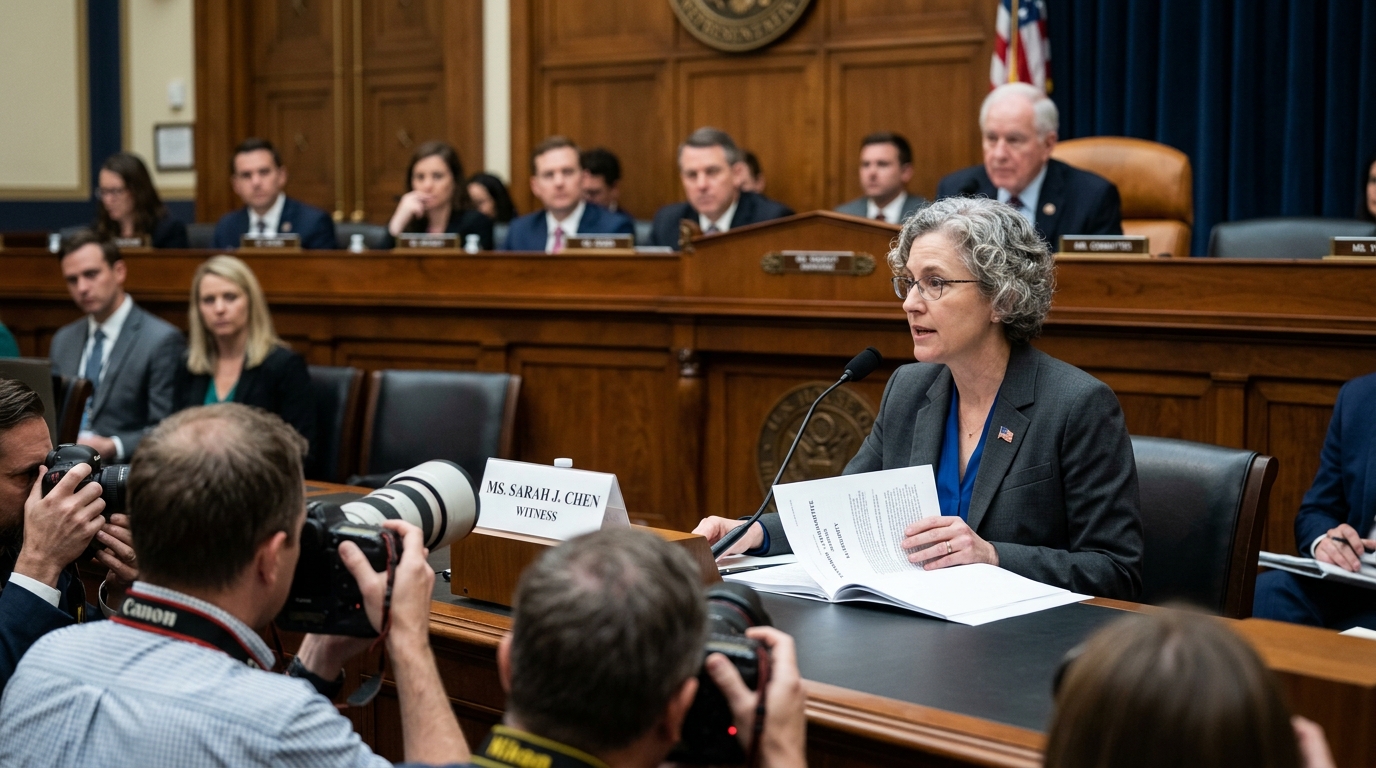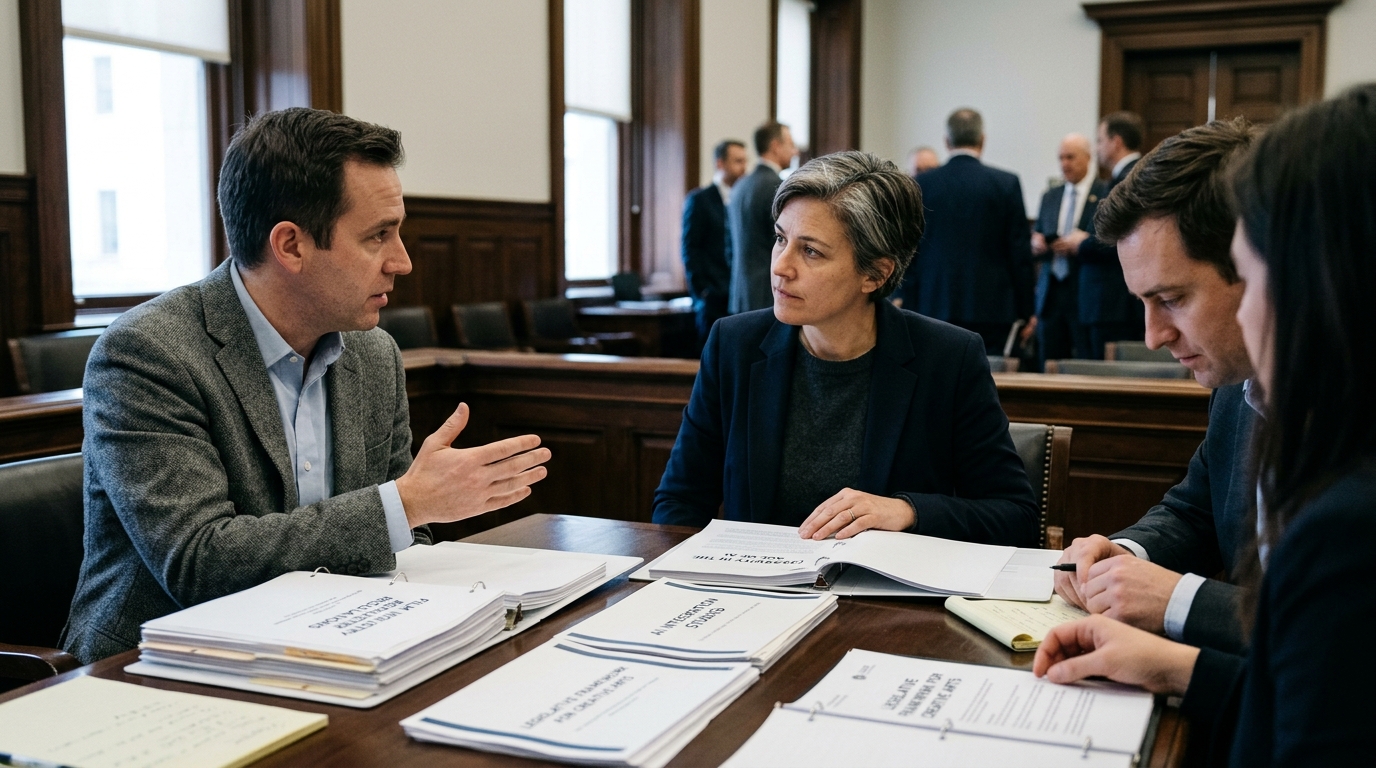
In the heart of Hollywood, where dreams meet industry, the Academy of Motion Picture Arts and Sciences (AMPAS) has made a historic decision that will define the future of the seventh art. As we approach the 2027 Oscars, the newly announced regulations are not merely a technical update, but an existential declaration: cinema remains a bastion of the human experience.
The Academy's Verdict: Human vs. Machine
The new rules for the 99th Academy Awards set clear boundaries on the use of generative artificial intelligence (AI). According to the new framework, any work submitted for nomination in the categories of screenplay, directing, and acting must prove that its 'creative essence' stems exclusively from a human factor. The Academy clarified that while AI tools can be used in a supporting role during production (such as in post-production or color grading), they cannot be credited as 'creators.'
The most critical point concerns the Original Screenplay category. The use of LLMs (Large Language Models) to write dialogue or plot structures is explicitly prohibited if the AI's contribution exceeds 10% of the final text. The Academy will now require full transparency and a 'digital audit' of drafts to ensure the authenticity of the writing process.
The Ghost of the 2023-2024 Strikes
This move does not occur in a vacuum. It is the culmination of tensions that began with the major writers' (WGA) and actors' (SAG-AFTRA) strikes in 2023. Artists warned that the unchecked use of AI could lead to a 'pulping' of art, where algorithms recycle past successes, depriving the audience of originality.
"Art is the testimony of the human soul. If we allow machines to claim the golden statuette, then we lose the reason why we gather in the darkness of a theater," stated a member of the Academy's Board of Governors.
The new restrictions also extend to acting categories. The use of 'digital twins' of actors, even with their consent, will be scrutinized with extreme rigor. If a performance has undergone extensive AI processing to the extent that the actor's expressions or voice are altered, the nomination risks disqualification.
Technical Audits and Transparency
To enforce these rules, the Academy is collaborating with leading cybersecurity firms to develop AI detection tools. Every film submitted will be accompanied by a 'Human Authorship Certificate.' This document will detail the use of any automated technology during production.
However, the challenge remains immense. As AI becomes more sophisticated, the distinction between a human error and artificial perfection becomes increasingly blurred. Critics of the measures argue that the Academy is trying to stop a tide with its hands, as technology is already an integral part of major blockbuster productions.
The Cultural Significance of the Decision
The decision for the 2027 Oscars sends a powerful message to the entire global entertainment industry. It is not just about the awards, but about preserving the value of human labor. In an era where content is mass-produced and often soulless, the Academy chooses to invest in the 'rare': human inspiration that cannot be encoded into bits and bytes. Whether these rules will withstand the pressure from major studios, which are constantly looking for ways to cut costs, remains to be seen.