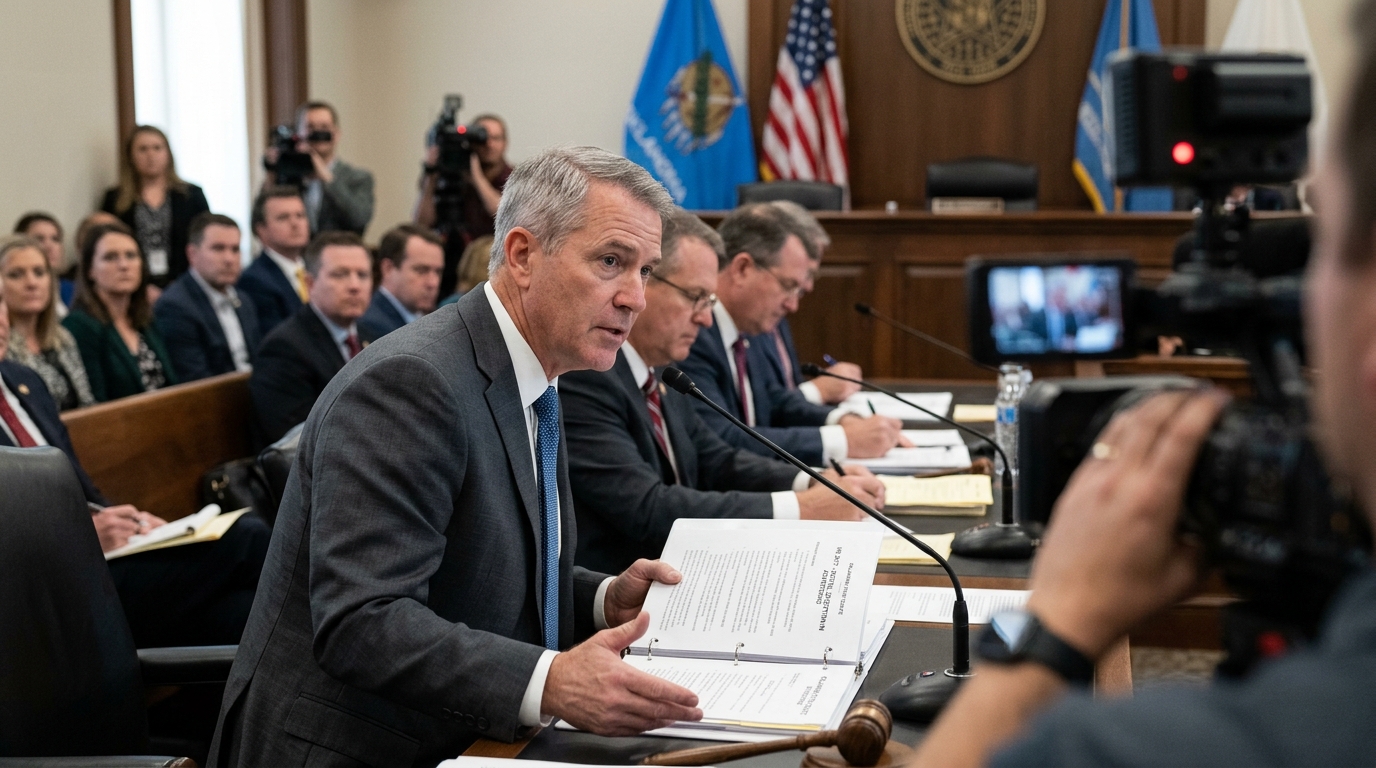
In the heart of Silicon Valley, where ideologies clash with billions, the legal battle between Elon Musk and OpenAI has evolved into something far greater than a mere corporate dispute. As we move through May 2026, this case has become the landmark for how humanity will manage the transition to the era of Artificial General Intelligence (AGI). Allegations of deception, breach of contract, and conflict of interest concern not only the figures of Sam Altman and Elon Musk but the very future of technological governance.
The Founding Myth and the "Great Betrayal"
The core of Musk's lawsuit lies in the belief that OpenAI betrayed its original mission. When founded in 2015, the promise was clear: a non-profit organization that would develop AI for the benefit of humanity, free from the constraints of shareholders and the need for profit. Musk claims his investment, totaling tens of millions of dollars, was made under the condition that the code would remain open-source and the technology accessible to all.
However, the reality of 2026 shows an OpenAI that has transformed into one of the most closed and profitable entities in the world. The close alliance with Microsoft, which has channeled billions into the organization, is the "red flag" for Musk. His lawyers argue that OpenAI now functions as a de facto subsidiary of Microsoft, prioritizing profits over safety and transparency. The charge of "deception" (fraud) focuses on the claim that Altman and Brockman lured Musk into a philanthropic endeavor while planning the transition to a profit-seeking empire from the start.
OpenAI’s Counterattack and Conflict of Interest
For its part, OpenAI is not sitting idly by. Its defense strategy focuses on the fact that there was never a formal, signed "founding agreement" prohibiting the transition to a for-profit model. Furthermore, the company accuses Musk of hypocrisy, pointing out that he previously attempted to gain full control of OpenAI or merge it with Tesla, and is now using the legal system to harm a competitor for the benefit of his own AI company, xAI.
The issue of conflict of interest is two-sided. While Musk accuses OpenAI's board of a lack of independence, OpenAI highlights that Musk seeks access to OpenAI's intellectual property and data through the discovery process to bolster his own models. It is a war of attrition where legal maneuvers are used as tools of industrial espionage and strategic weakening.
The Attorney General's Oversight and the Future of Non-Profits
A critical aspect of the case that often escapes public notice is the involvement of the California Attorney General. As OpenAI attempts to finalize its transition to a fully for-profit structure, regulators are examining whether assets created with philanthropic funds (such as the intellectual property of GPT models) can legally be transferred to a private company. The court's decision will set a precedent for whether tech giants can use the "mantle" of a non-profit as a greenhouse for developing technologies that will later be privatized for billions.
- Legal interpretation of "benefiting humanity" in relation to AGI.
- The validity of oral and electronic commitments made by founders.
- Microsoft’s role as a dominant partner and its influence on safety decisions.
- The possibility of forced divestment or return of funds to original donors.
"This is not just a dispute over money. It is a battle over who holds the keys to the intelligence of the future," stated an analyst from Stanford Law School.
In conclusion, this trial is the mirror of an entire industry teetering between utopian promise and raw corporate reality. Regardless of the outcome, public trust in the institutions developing AI has already been shaken, and the resulting legal framework will dictate the rules of the game for decades to come.