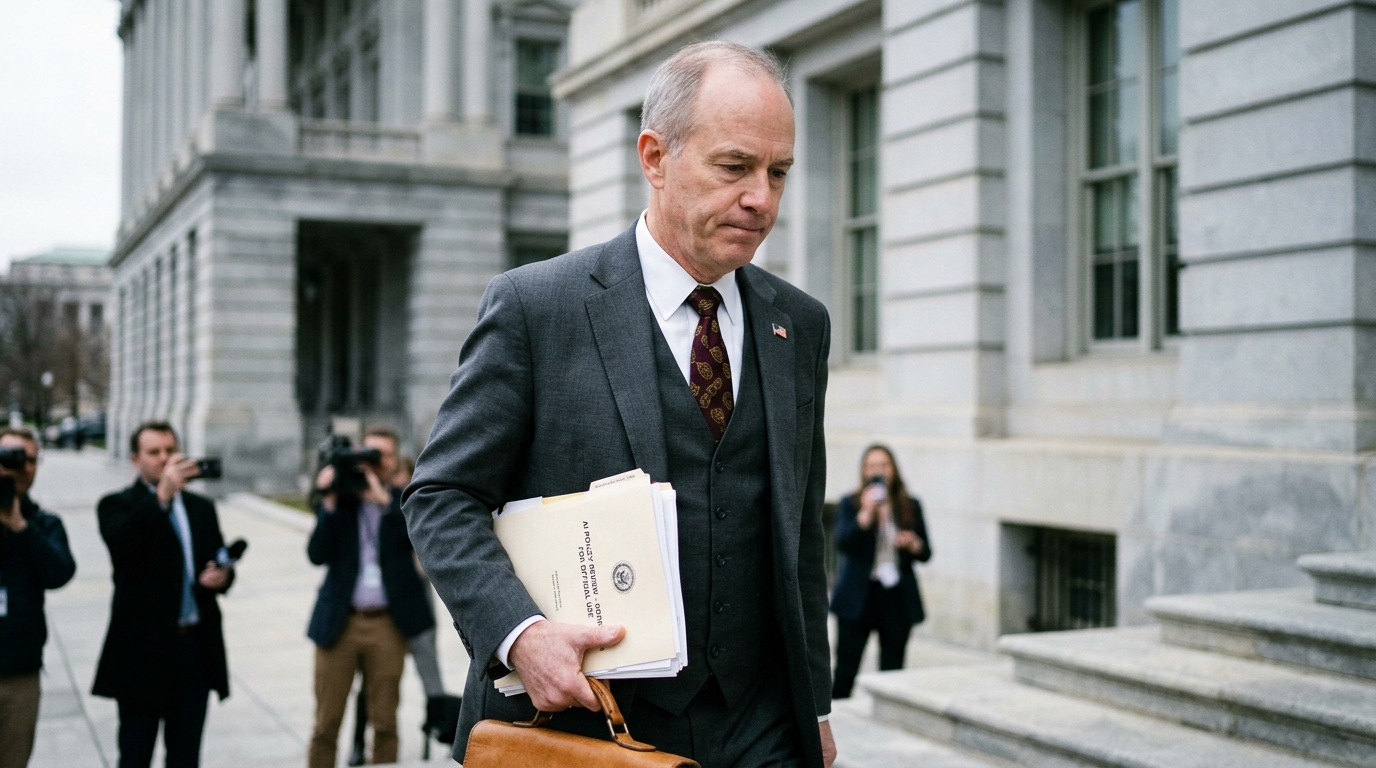
The political landscape in Greece is entering a sharper phase of confrontation, with PASOK-Kinal leader Nikos Androulakis placing the issue of "institutional decay" at the very top of his agenda. In recent statements, widely circulated by the national press, Mr. Androulakis did not stop at simple criticism but proceeded with a comprehensive anatomy of the current governance system, asserting that "everything starts from the Maximos Mansion." This phrase is not accidental; it serves as the cornerstone of a strategy aimed at highlighting the over-centralization of power as the primary cause of the maladies afflicting modern Greek democracy.
The Architecture of Power and the "Executive State"
At the heart of Nikos Androulakis' critique lies the model of the "Executive State," introduced by Kyriakos Mitsotakis' government in 2019. According to the leader of the official opposition, what was presented as a tool for modernization and efficiency quickly devolved into a mechanism for control and opacity. Mr. Androulakis argues that the transfer of critical jurisdictions—including the National Intelligence Service (EYP)—directly under the Prime Minister's oversight created the necessary conditions for the abuse of power.
"When power is concentrated in so few hands, without the necessary institutional checks and balances, the slide into authoritarianism is inevitable," sources from the party's headquarters suggest. The wiretapping scandal, which remains an "open wound" for the political system, serves as the ultimate proof of this theory for PASOK. Mr. Androulakis emphasizes that the use of Predator spyware and the "lawful" wiretaps by EYP were not isolated incidents but part of an organized plan to monitor political opponents and journalists.
Justice and the Question of Accountability
Another critical point in Nikos Androulakis' argumentation is the stance of the Judiciary. The PASOK president expresses serious concerns regarding the speed and depth of the investigations into the surveillance scandal. His criticism focuses on the sense of impunity permeating society, as, despite the revelations, political responsibilities have not been personalized at the level of criminal prosecutions for high-ranking officials involved.
- The urgent need for full clarification of the Predator case.
- The strengthening of Independent Authorities, such as the ADAE, which have faced government pressure.
- The restoration of citizens' trust in the country's institutions.
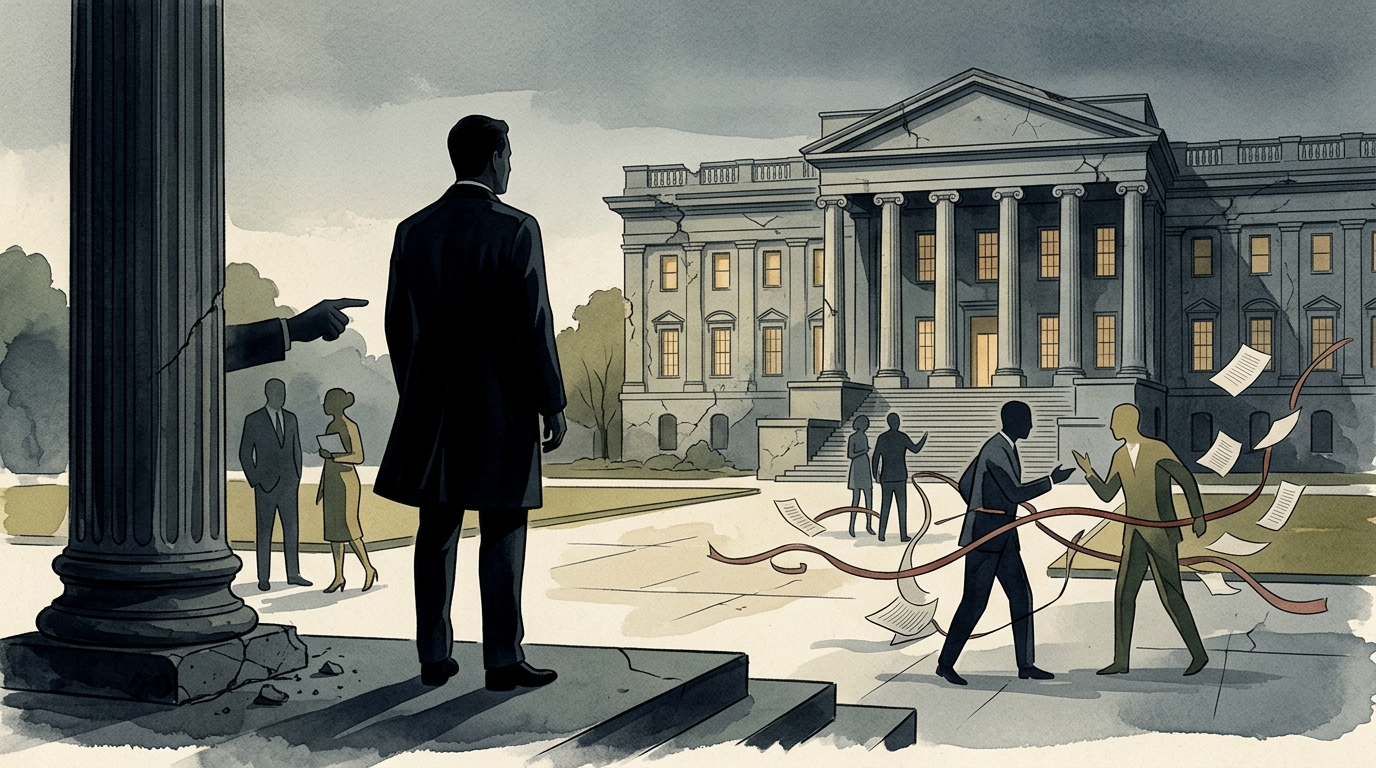
Mr. Androulakis underscores that democracy is threatened not only by external enemies but also by the internal erosion of its rules. "Institutional decay," as he describes it, manifests through the devaluation of Parliament, the instrumentalization of state structures, and attempts to manipulate public opinion. For him, accountability is not just a political demand but a necessity for the survival of the rule of law.
The Political Stakes for PASOK
Nikos Androulakis' strategic choice to directly attack the Maximos Mansion also has clear electoral objectives. In a period where the government shows signs of wear and tear, PASOK aims to emerge as the only credible institutional alternative. Unlike SYRIZA, which often resorts to high-pitched rhetoric and confrontational tactics, Mr. Androulakis attempts to build his opposition on evidence-based arguments and institutional proposals.
"This is not a personal dispute with Mr. Mitsotakis, but a battle for the future of our country," he pointedly stated.
The challenge for PASOK is to convince the electorate that "institutional decay" directly impacts the daily lives of citizens. Mr. Androulakis links the lack of transparency with economic inefficiency, inflation, and the degradation of public services. His position is clear: a state that does not respect the privacy and rights of its citizens is a state that will eventually fail to protect their economic interests as well. The battle for democracy, according to Androulakis, is simultaneously a battle for social justice.